By PIPER KLEMM
Watching so many horse shows this year, my biggest takeaway is that we have the best horse trainers we’ve ever had in this sport. Truly, those at the top of the game are phenomenal. They are so astute and disciplined on horse care, the vets are more versed than ever, and their training is top notch. We’re encouraging horses to jump better than they ever have, mastery of increasingly complicated situations and tests, and precision to an incredible level.
Why do horses today need to be so good? Well, the less skill the rider has, the more skill your horse needs to have. And if you really sit and watch up and coming divisions continuously, the horses need it. You talk to trainers who describe having a trained horse like a shoelace-the owner gets on and unties the shoes and the trainer gets on and meticulous repositions and ties the laces perfectly every time. We seem to have forgotten that every single one of us is a horse trainer and we are training every horse we interact with. We are either training them to be better or be worse, depending on our focus, timing, and clarity.
Why is this happening? Frankly, horses are easier to train than people. You are selecting for nature when you buy them—physical ability, personality, and soundness. Then you have control of their nurture—what they are eating, how much exercise, the type of exercise, and the amount they prepare and practice. Most trainers don’t get a lot of selection in terms of nature with their human clients. Trainers don’t have a lot of control over nurture. And the drive in their human clients varies.
People in today’s world are requiring a quantity of feedback and direction that is burning out horse trainers like the teacher burnout we are seeing. Training horses to compensate their humans is protecting our trainers and their mental health. We feel a collective panic about safety and a desire for control, but riders are missing that good riding, good training, and good instincts protect you implicitly…without good training for people, a trainer’s best bet for keeping riders safe is often installing good instincts for protecting riders in horses instead. As I said, they are really good at training horses.
I think we can start to address this with each and every member of our community taking responsibility for where they are, how they are training, and how much their horse and trainers might be compensating for them. If you are having fun and in the financial position to rely on other people’s skills and buy skilled horses, that is great, and I hope you enjoy this sport. But, that is not the reality for me or most people I know. It is not the reality for most people who I see complaining on the internet or sending in articles and personal essays to The Plaid Horse. You can always compensate for lack of budget with skill with so many horses that are talented, capable, and discarded by others for being “hard.”
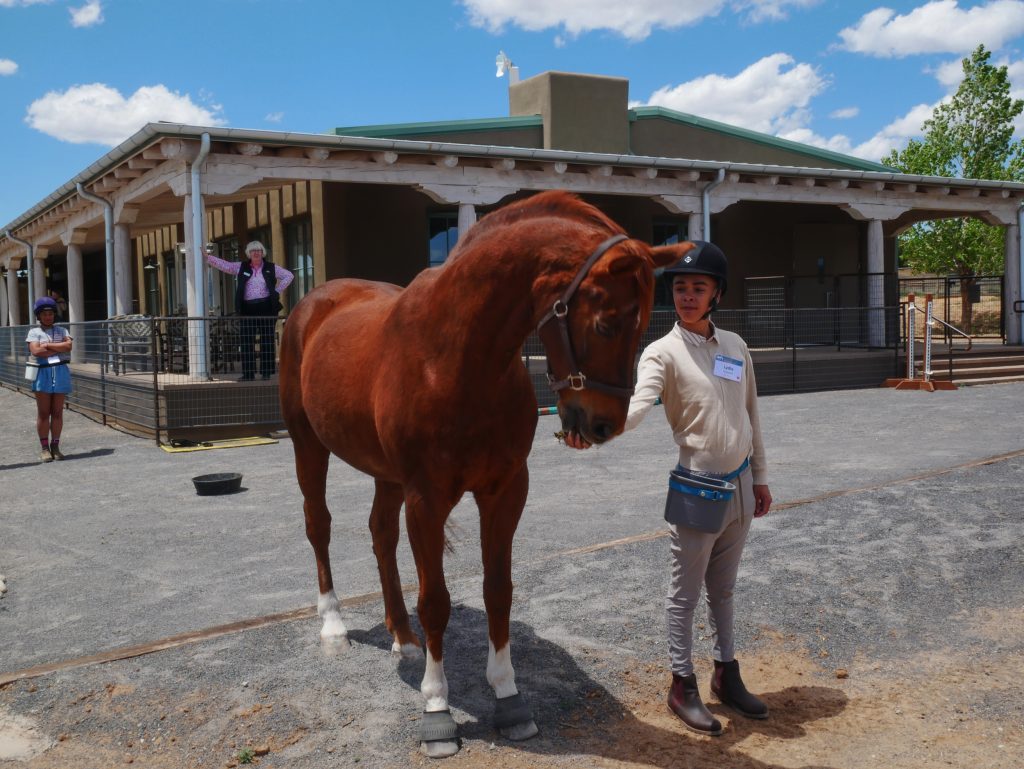
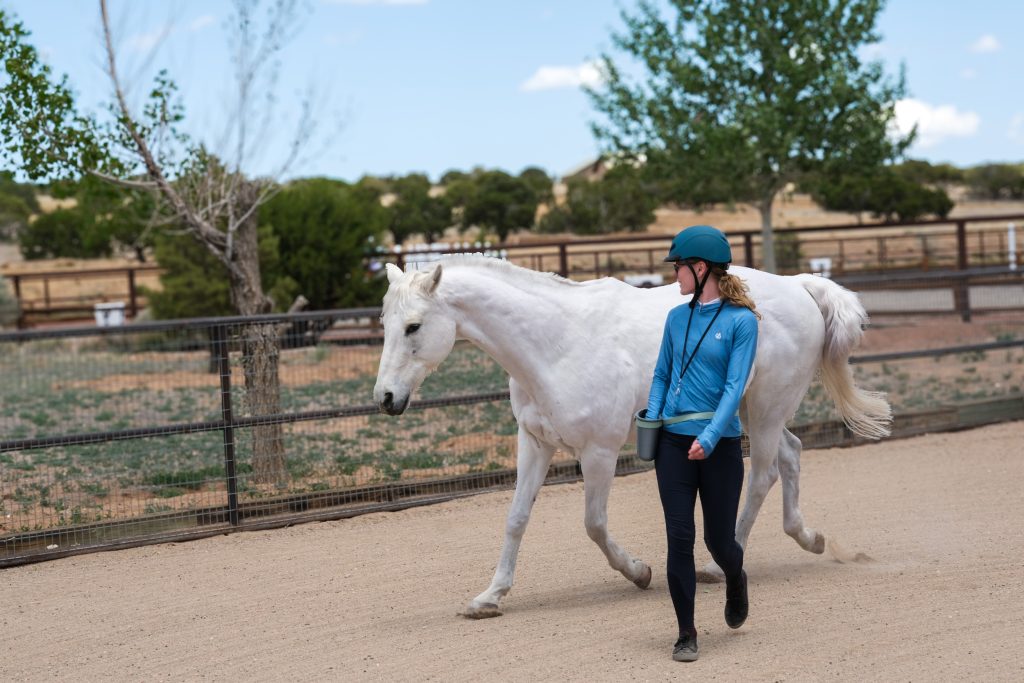
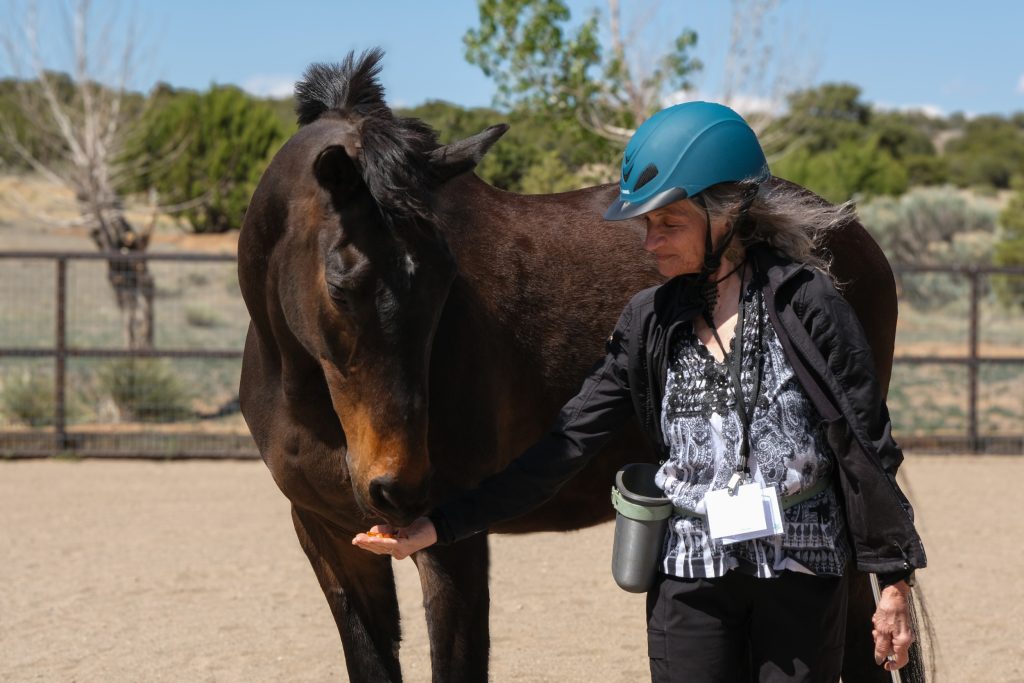
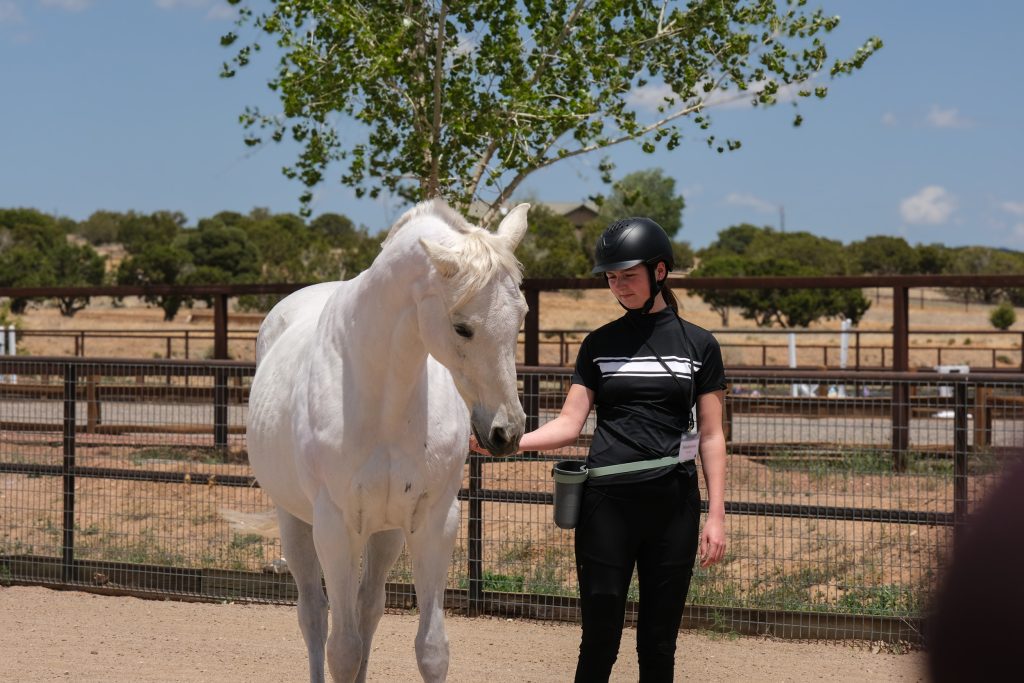
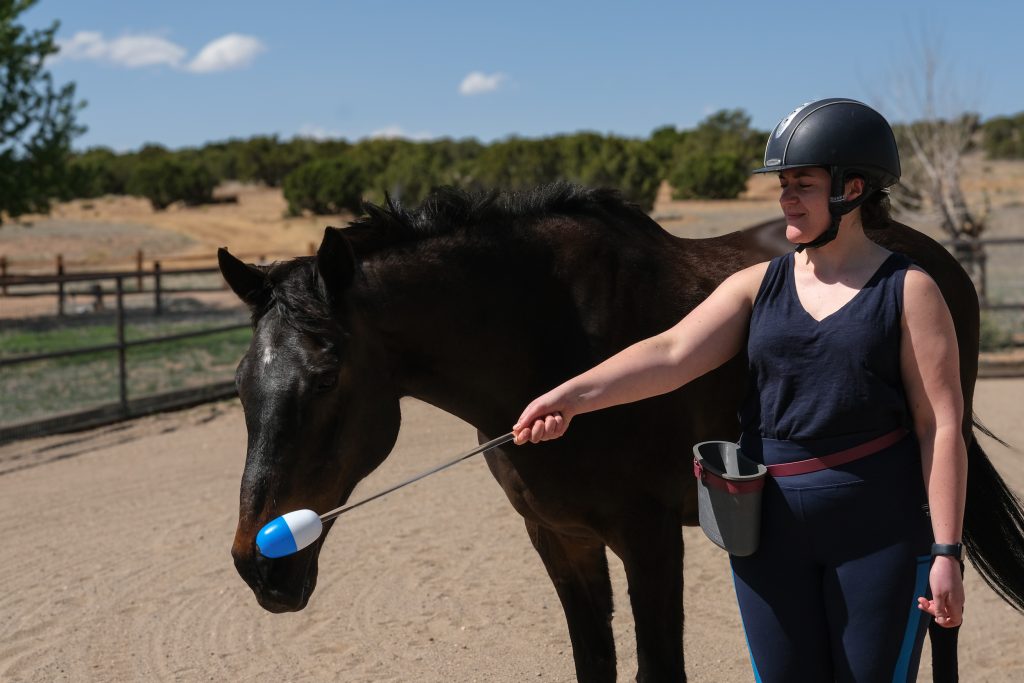
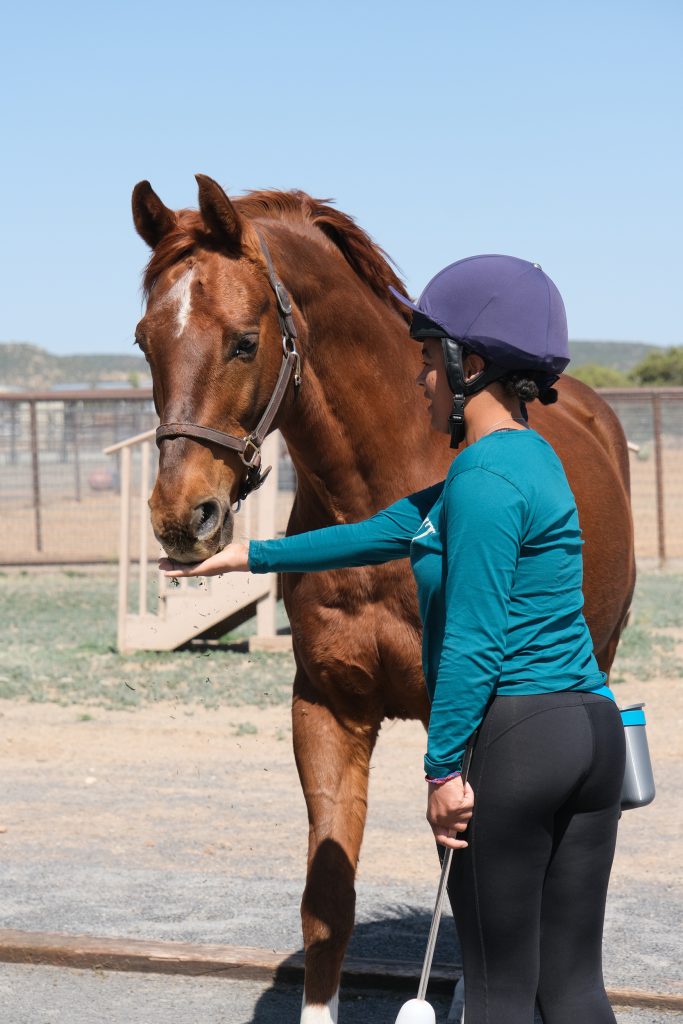
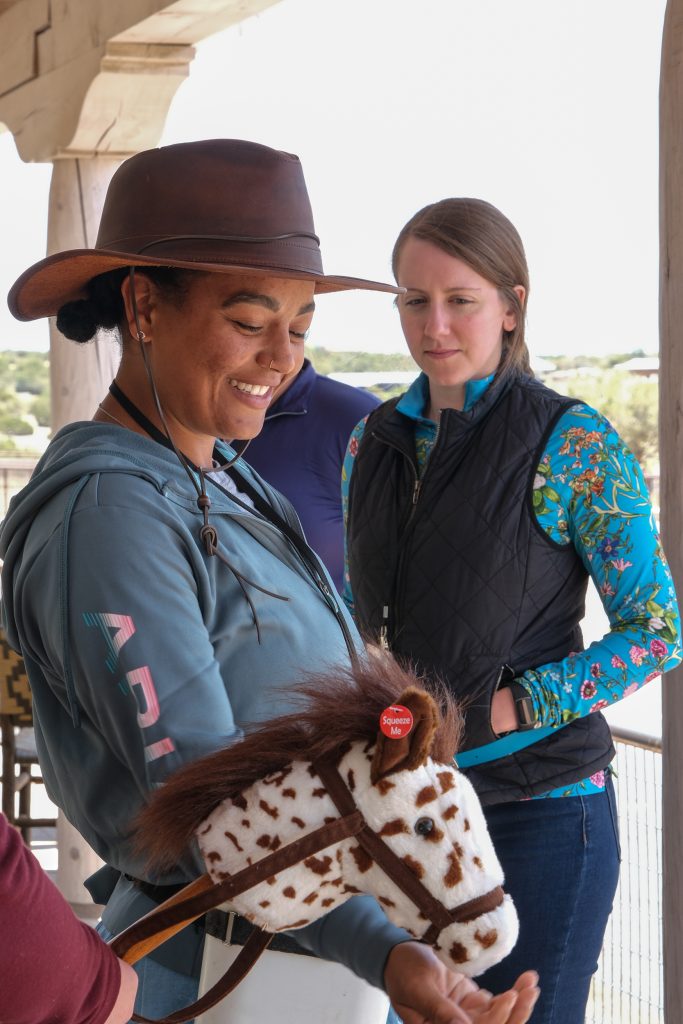
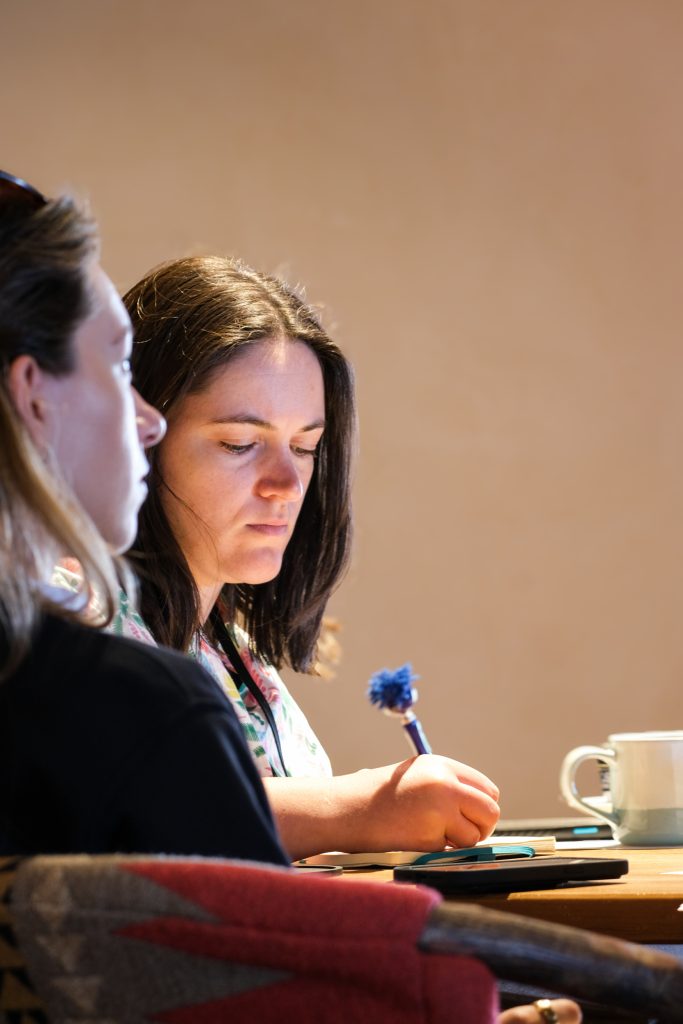
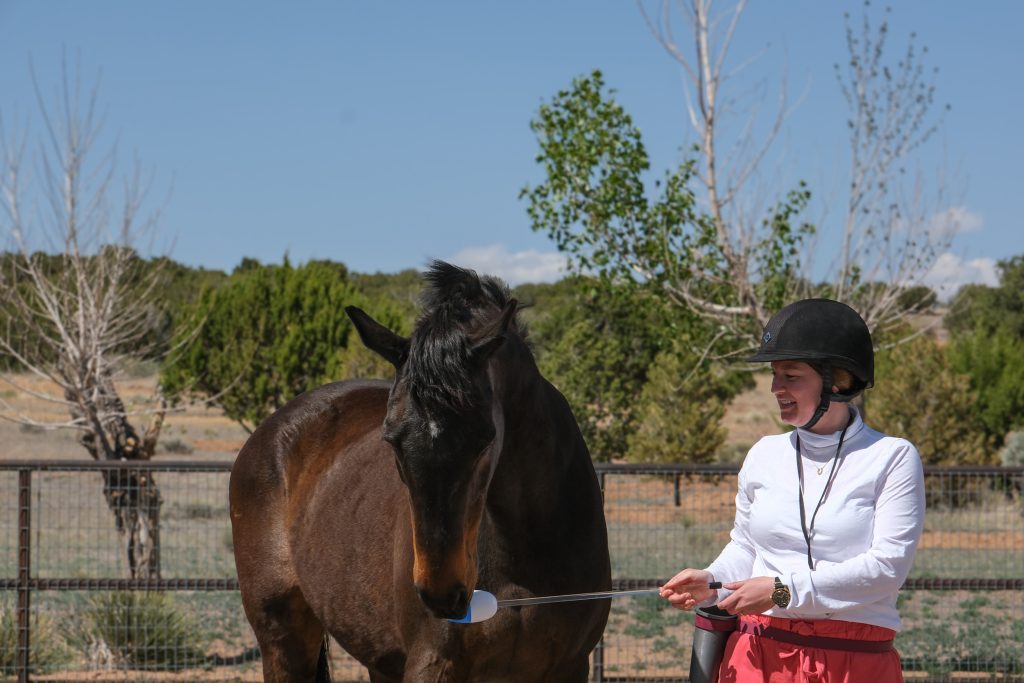
While considering my own circumstances this spring, I was invited to Via Nova Training in Santa Fe, NM. It wasn’t exactly convenient timing—during the first two days of The Devon Horse Show and HITS Hudson Valley—but I flew to New Mexico to check out something I hoped I would find refreshing and a mental reset.
The methods most of us use for training horses date back over 5,000 years, which predates most major religions. We’re not exactly going to reinvent this in one generation. Via Nova wasn’t trying to do that; their methodology are tools in a toolbox that we can all choose from and apply to what we are working on with our horses.
With their program Priority to Positive®, they want to make behavioral science and positive reinforcement more mainstream in traditional equestrian disciplines to help competitors achieve performance breakthroughs, riders experience a deeper, more enjoyable connection with their horses, enrichment and transformation of horses’ lives, and support and expand the pool of seasoned positive reinforcement practitioners.
Via Nova’s Core Principles
Priority to Positive®
- Understand Motivation
Desire v. Avoidance - Look for your “Yes!”
Flip Your Negative Mindset - Create Opportunity
Use the positive reinforcement tools that the horse wants to learn - Shape Toward What You Want
Use thin slices and building blocks - Set Up for Success
It’s not cheating to make it easy
Essentially, instead of using pressure and then releasing when desired behavior occurs, as we have done for millennia with horses, we wait for the horse to offer the correct answer. The goal is for the horse to always truly understand what is desired of them so that they are never confused or frustrated or feel forced. I couldn’t help but think of my own travel—people lose their tempers so frequently when they seemingly don’t understand what the rules are, don’t think they are fair, are tired, and feel forced toward an outcome they often do not want. I imagine a horse at a horse show as a human at an airport. The odds that they flip out or shut down or don’t want to participate or are a “bad horse” because they are off their schedule, their stomachs hurt, they are tired, or they are unsure what their humans want out of them are incredibly high.
According to affective neuroscience, the horse has seven innate emotional systems—on the positive side are seeking (expectancy), care (nurture), play (social joy), lust (sexual excitement), and on the negative side are fear (anxiety), panic/grief (sadness), and rage (anger). By keeping training in the “seeking” emotional system and out of fear and panic, a horse can voluntarily leave their comfort zone to experience a growth and learning zone to increase their knowledge, ability, and performance.
Mental overarousal, as with all students, produces a distress zone and impairs performance because of strong anxiety. Some ways to prevent over-arousal in a horse include: short training sessions, clarity with your body language, high rate of reinforcement, taking frequent pauses, including well-practiced behaviors, movement mixed with relaxation, and not working with hungry horses.
A concept from Via Nova Training that really resonated with me was the trust bank you have with your horse. With every relationship, you create a trust bank. Every time the horse knows what you want, every positive response, every bit of consistency, the horse feels comforted that you make sense and has more trust in you. A predictable pattern allows the horse to feel relaxed and comfortable in expectations and that they can perform them appropriately. These positive associations of working together allow the horse to trust you when they must go through something unpleasant, like vet work that you cannot simply tell them is for their greater good.
Is there “THE ANSWER” in horse training? Of course not, there never is. Horses are individuals and different training methods will work with each one. The people who have trained thousands of horses see trends and have an instinct of which things to try first with which horses. They are often correct with their experience. Also, they often have to go through their toolbox for a while before they find something that works with a particular horse. They have patience, grit, and feel, and keep coming back with small improvements until the horse is trained.
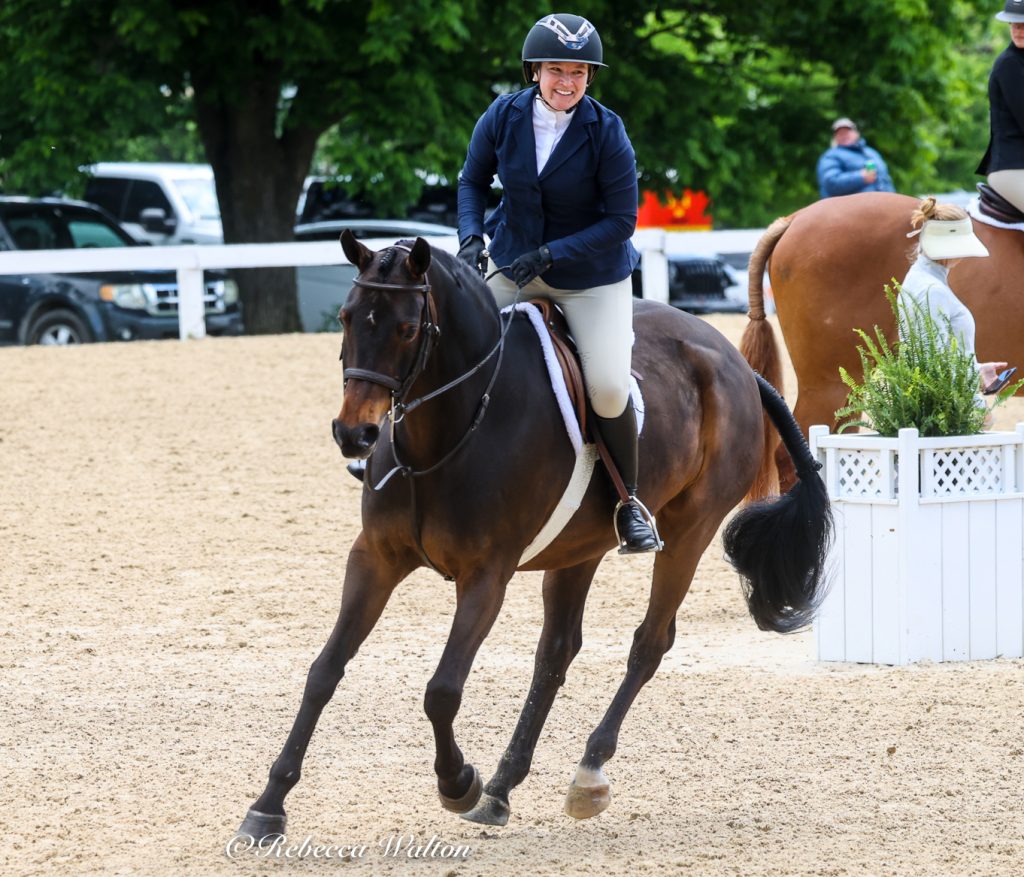
To the person reading this—you are a horse trainer. I am a horse trainer. Which comes with the responsibility of constantly improving ourselves, our timing, our methodology, and constantly thinking how we can do every bit better. How can we all use less force, fewer demands, and have more relaxed horses who look forward to learning and look forward to training sessions? These should be questions we ask ourselves every ride. How can we build a bigger platform of trust and a bigger trust bank and a more rewarding relationship.
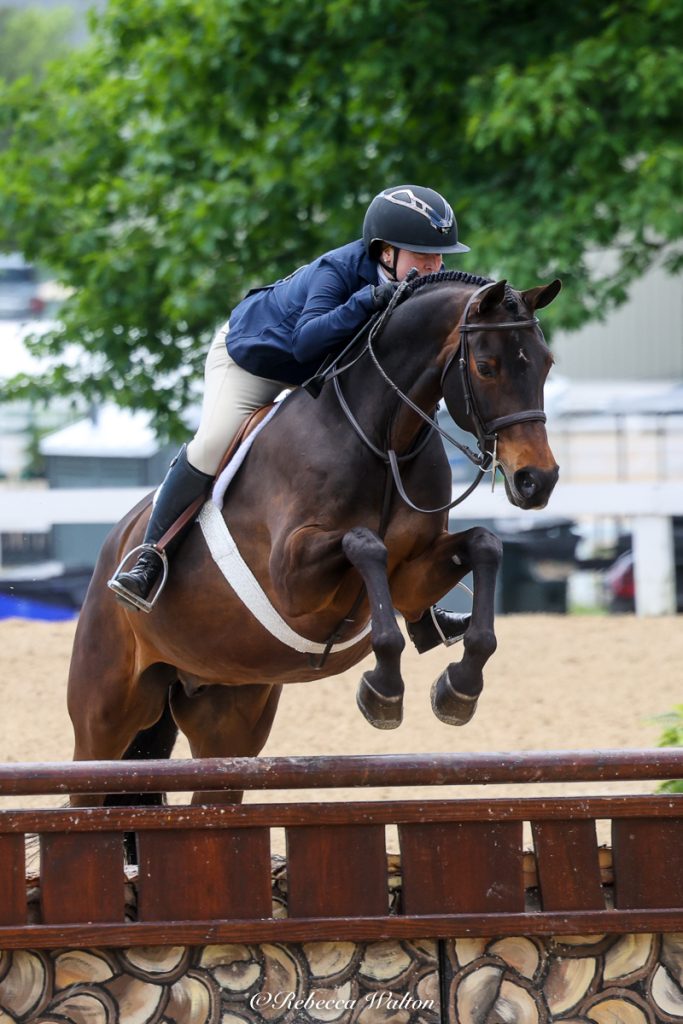
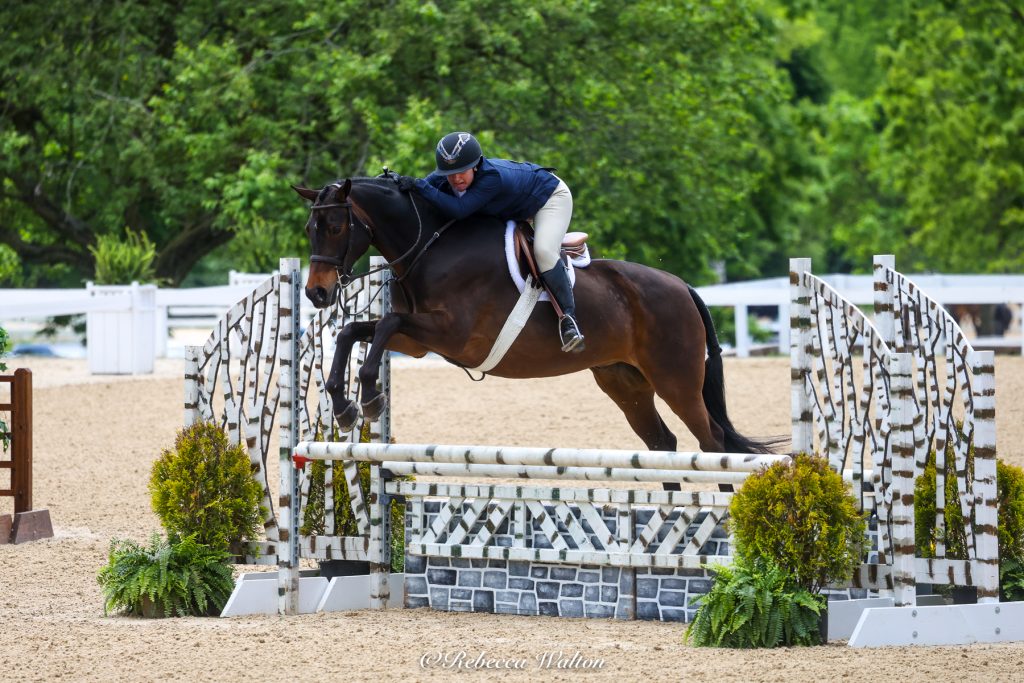
Reuben takes his responsibility of making me a more skilled rider incredibly seriously every single time I put my foot in the stirrup. Over years of work, I can sit here proud of the skill I have developed and look forward to continuing to develop the skill I will need to ride future horses in my life. Because they won’t be easy and they will be athletic and I will need all the precision, calm, strength, and fluidity I can possibly get. I can put the work in, and no matter how long it takes, I will continue to learn to be a consistent and effective horse trainer.
Piper Klemm, Ph.D.
TPH Publisher
Follow me on Instagram at @piperklemm
Via Nova Workshop
MAY 2024 • SANTA FE, NM