By TPH Blog Editor SARAH WELK BAYNUM
Hunter paces are a fun, lightly competitive outing that is great for horses at pretty much at any level, from green to experienced. As the name suggests, hunter paces are derived from a foxhunting or tradition field hunter experience.
It’s also one of the few opportunities that horse and rider combinations of any discipline can compete in—and even against each other.
If you haven’t had a chance to compete in a hunter pace before, here’s some of the reasons you should be!
What Exactly is a Hunter Pace?
Hunter paces are set on a marked trail, which can have varying terrain that mimics foxhunting. One of the fun aspects of hunter paces is you go out in a small group of two to four riders, instead of “competing alone” like in most horse competition structures.
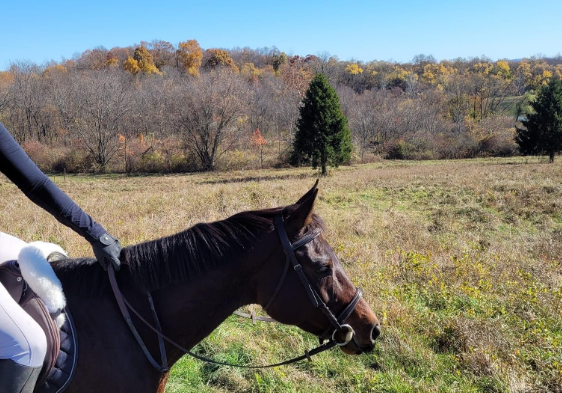
Paces are typically set on large farms that have significant acreage, stretching through woods, fields, and sometimes even across creeks. A pace course is normally about four to twelve miles long. They can also be set at state parks that have existing trails. Either way, the path is marked for horse and riders to follow by way of directional signs in the ground or things like ribbons on trees so you don’t get lost.
Hunter paces are a timed event, and the “optimum time” for each pace division will be decided by the pace hosts and length of the course. Competitors are then timed and penalized for riding too fast or too slow, based on that optimum time. The rider team who is the closest to the optimum time for their pace division is the winner.
There are several options for what pace you will be going.
Those pace options, or divisions, are fast, moderate, or slow. While you can walk, trot, and canter at any point you want during the pace, you will do more trotting and cantering in the fast and moderate pace divisions, and more walking and trotting with a little bit of cantering if you choose the slow division. What’s great about paces is you can choose when you want to walk, trot, and canter based on the terrain and you and your horses’ fitness levels.
On the day of the competition, typically starting early in the morning, the pace hosts will normally start off with the “fast pace” rider teams, followed by those doing moderate and slow.
Depending on how fast or slow you choose to go, and how long the course is, the time you’re out on a pace can last around an hour to two hours on average.
While it has some similarities to the cross-country phase of eventing, since there are a large number of jumps on a natural terrain course, these jumps are optional. The jumps also range in size, from small and easy to advanced. The jumps can be regular standard and pole jumps set on the course, very natural jumps like stacked logs, cross-country jumps used in eventing, and everything in between.
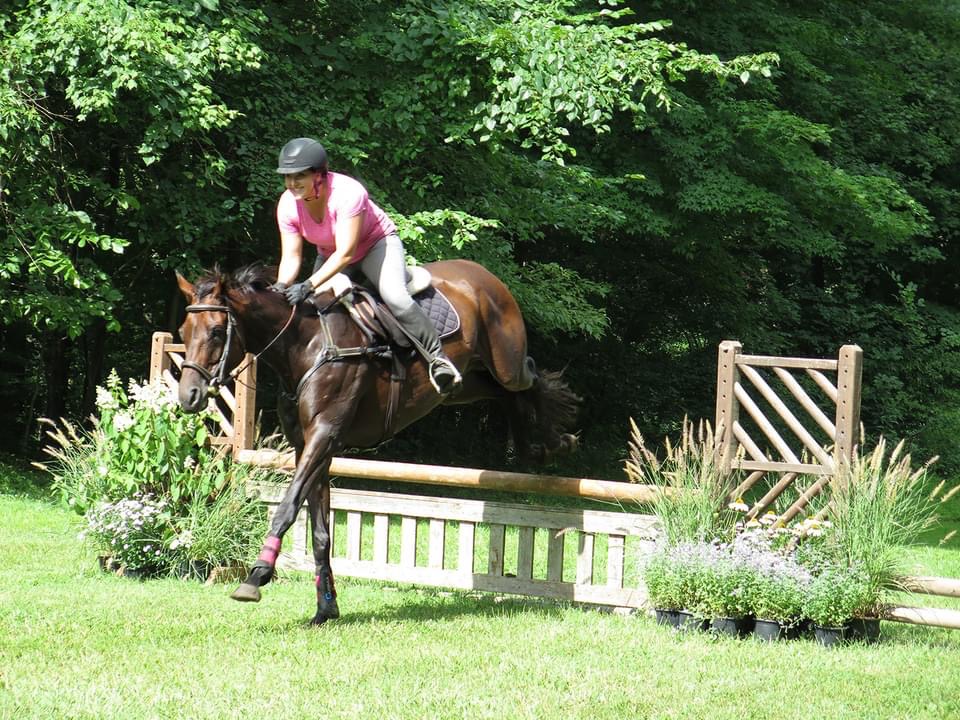
You could jump every jump or none at all without it affecting your placing. It will, however, affect your pace and the time it takes you to complete the course. This important to keep in mind when deciding between the slow, moderate, or fast divisions. If you know you will be jumping frequently, for example, you might want to choose the moderate or fast division.
The (Endless) Reasons You Should Be Competing in a Hunter Pace.
Getting outside the arena and having a change of scenery is always beneficial for horse and rider—and the scenery on paces is hard to rival.
Paces are the perfect way to accomplish this. Paces are typically very inexpensive to enter compared to showing, and many even have year-end championship awards for each division you can work toward throughout the season.
There really isn’t a downside to paces because of the flexibility to choose how fast or slow you want to go, the option to jump or not, and because it’s a great low-key way to take your horse somewhere without the pressure traditional horse shows can sometimes bring. You can really be super competitive, or just go out and plan to have a good time.
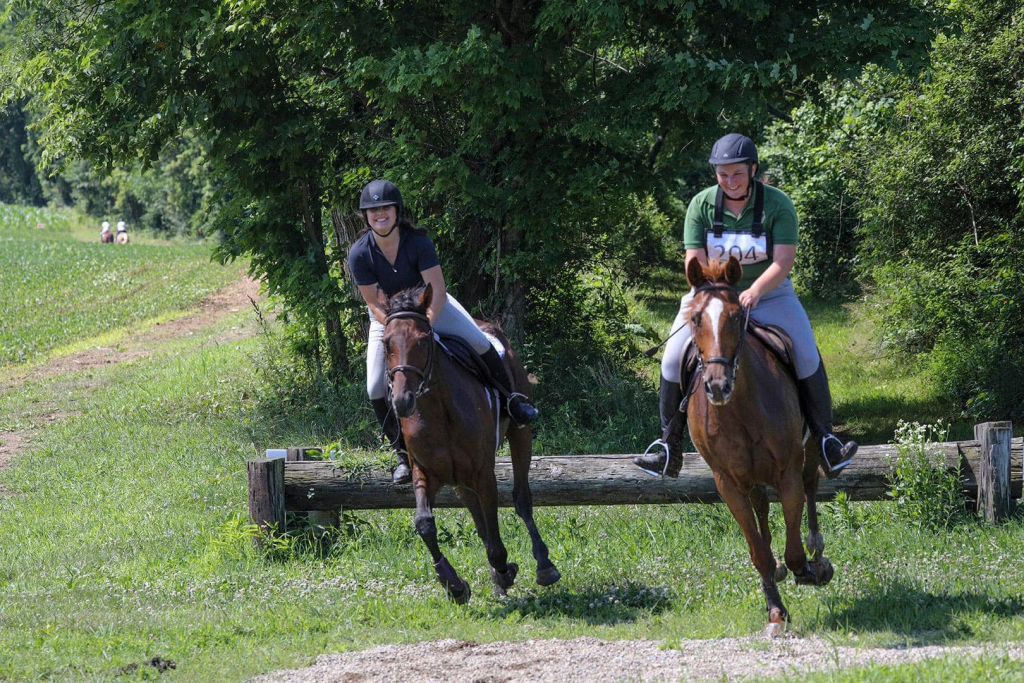
It’s a great way to prep an experienced horse for competition season in the hunter, jumper, or eventing disciplines, since there can be some challenging jumps that are set on uneven terrain at times.
Your horses rideability is challenged on a pace, which is something every discipline benefits from improving. Since you are changing gaits throughout the course, this also helps you work through transitions in an environment outside the ring.
For those who have thought about dabbling in eventing, it’s a nice way to try jumping around on natural terrain before diving into an eventing trial.
For green horses, it’s a great “first competition” because you can literally do it at whatever pace the horse is most comfortable at and do some optional jumping. It can help with confidence boosting for both horse and rider since it’s low-pressure, has options on jump sizes, and green horses can follow a more experienced horse over jumps as an added bonus.
Horse and riders need to trust each other when on course as there are terrain challenges, jumps that can be dressed up or non-traditional, what your horse might think is monsters in the bushes, and sometimes water crossings or bridges. Paces are a trust building exercise from start to finish.
They are also a great way to have a “fitness goal” and work towards something besides just horse shows. You will know exactly where you and your horses’ fitness levels are once you cross the finish line!
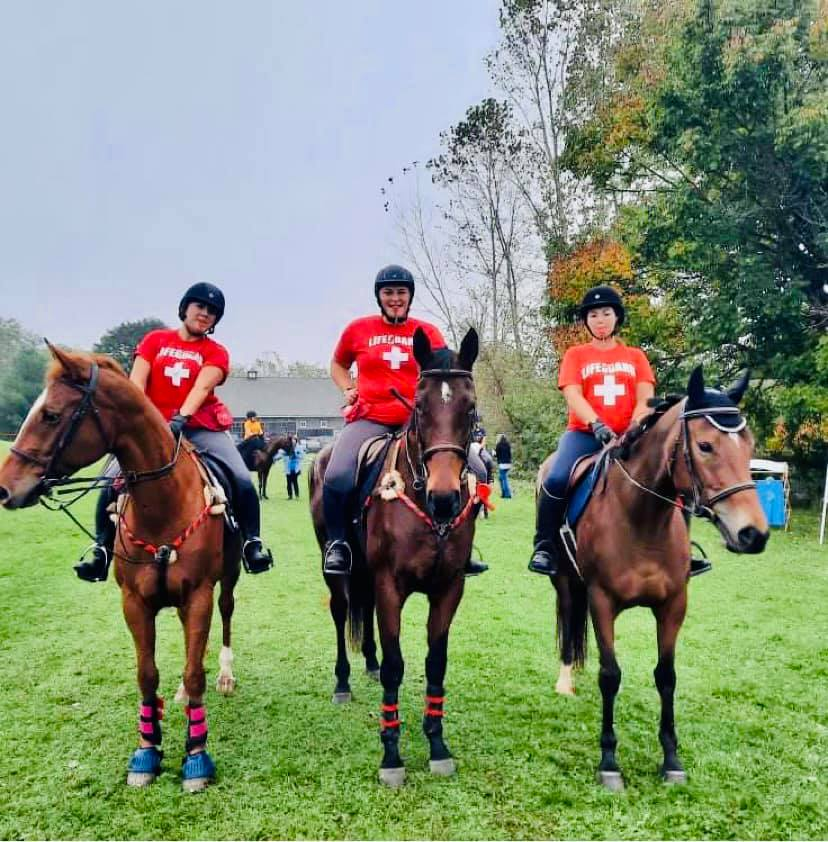
During October, many paces also host a costume-themed Halloween pace which is super fun, and many groups dress up in a theme.
By the end of the pace, you’ll be so glad you did it. Paces bring a sense of accomplishment and pride in your partnership with your horse that is hard to find with any other competition!