
By LAURA STEPHENSON, EMA, IRVAP (MT)
Horse racing is a sport where, in the blink of an eye, races can be won or lost. Racehorse health and performance can be significantly affected by subtle problems which lead to poor performance and loss of training days. This slows horses down and costs money.
An understanding of biomechanics and how muscles work is crucial for success in the horse’s training. Optimum performance requires all body systems to function at, or close to, maximum capacity. Hence the horse’s body comes under greater stress and strain from increased and intensive training. Being able to identify problems early allows for quicker preventative intervention, enabling the horse to maximize his/her athletic potential.
Human athletes benefit from support teams that recognize and treat athletic injuries such as muscle fatigue, stiffness, soreness, and micro-tears before they interfere with training. With horses, it is less acknowledged that muscle injury can be a reason for lameness and poor performance.
Lameness is not always a response to pain but can be a compensatory mechanism because of unloading affected limbs or structures.
Unlike people, horses cannot tell us when they are experiencing discomfort. Musculoskeletal pain is often missed or misread, leading to chronic pain sites, loss of performance and financial loss. It can take as little as 90 days for soft tissue injuries to become apparent and muscle disorders can range from stiffness and pain to muscle atrophy, exercise intolerance, muscle fasciculation (twitching) and rhabdomyolysis, the breakdown of damaged skeletal muscle. These injuries are a relatively common cause of lameness but can be difficult to diagnose. Regular exercise will, unfortunately, worsen the injury and inhibit recovery time, whilst also increasing heightened levels of stress and anxiety in the horse.
Prioritising Musculoskeletal Health
Musculoskeletal health is fundamental for a horse’s mobility and dexterity, for their ability to work and actively participate in all aspects of life.
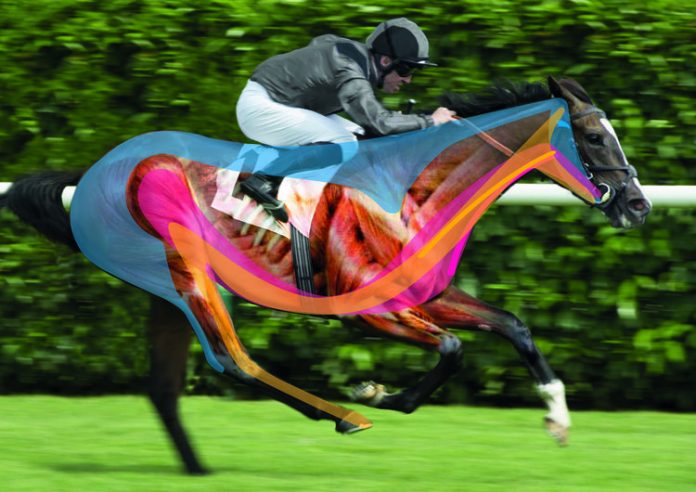
Muscles act by contracting and changing the angle of joints to create the body’s internal and external movement. Movement is initiated through combined effect of the activities of skeletal muscle, tendons, and ligaments. Not only do muscles work in pairs they work in chains to facilitate precise and continuous flowing movement. Deep muscles and those close to joints are postural muscles, responsible for supporting and stabilizing joints. When one muscle group contracts and flexes the opposite muscle group extends and relaxes.
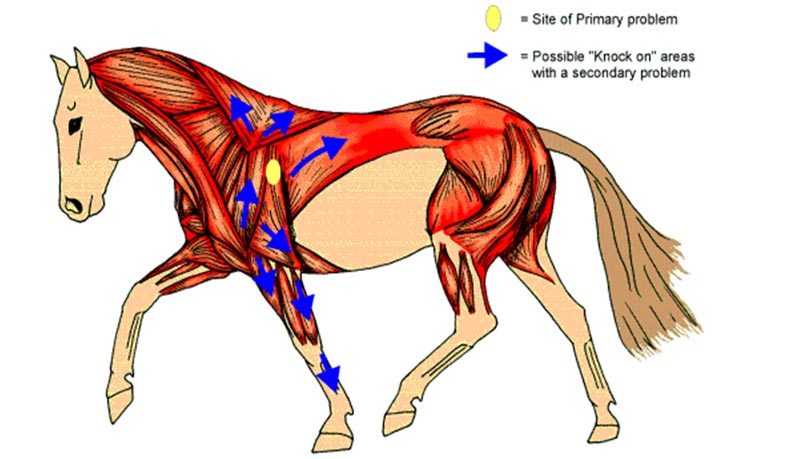
When there is restriction in a muscle or in one part of the chain, the horse will experience musculoskeletal pain or discomfort and tend to engage different parts of their body to avoid using sore areas. This habit of ‘compensation’ overloads precision structures such as tendons, ligaments, and joints.
Youngsters born with, or acquiring, an abnormality that affects the musculoskeletal system will need immediate help to grow and respond without compromising future ability. If not remedied early, irregularities will place excess strain on joints and ultimately interfere with speed and agility.
Flat racing horses are raced from 2 years old or younger and the amount of force and impact of galloping at high speeds causes concussion on immature joints and still-developing soft tissues. Repetitive concussion results in an imbalance and the domination of a favoured limb will lead to tears, chips, and fractures. It is not uncommon to see conformation changes in lower limbs from “back at the knee” to slightly “over at the knee” between the weanling and 3-year-old.
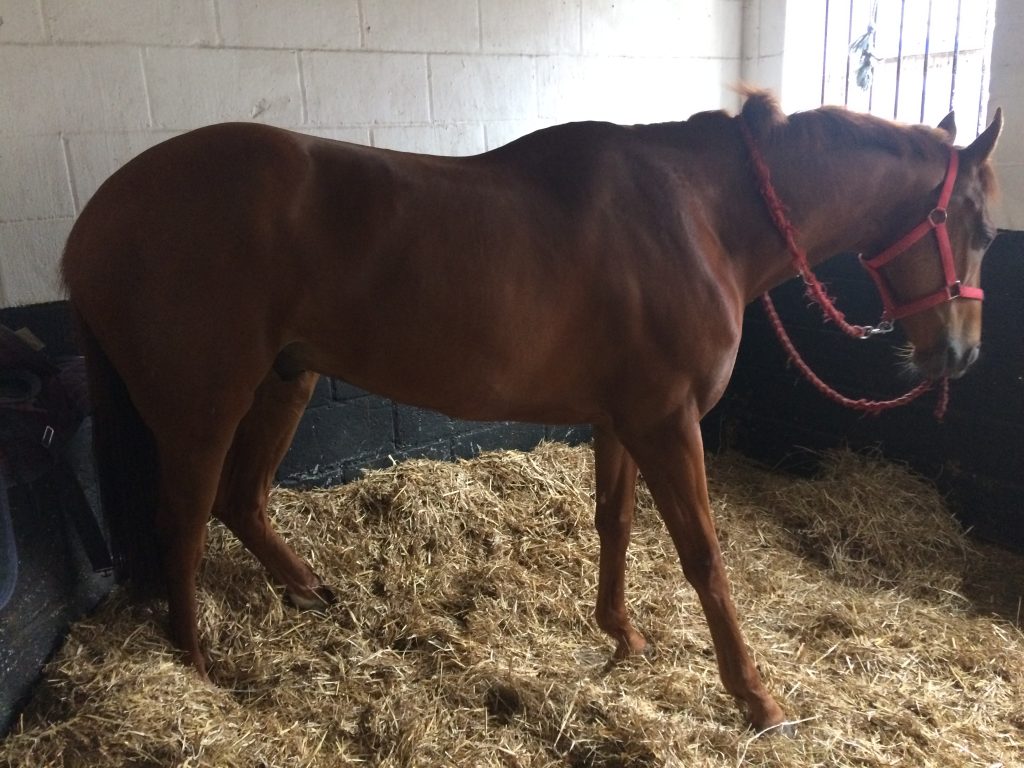
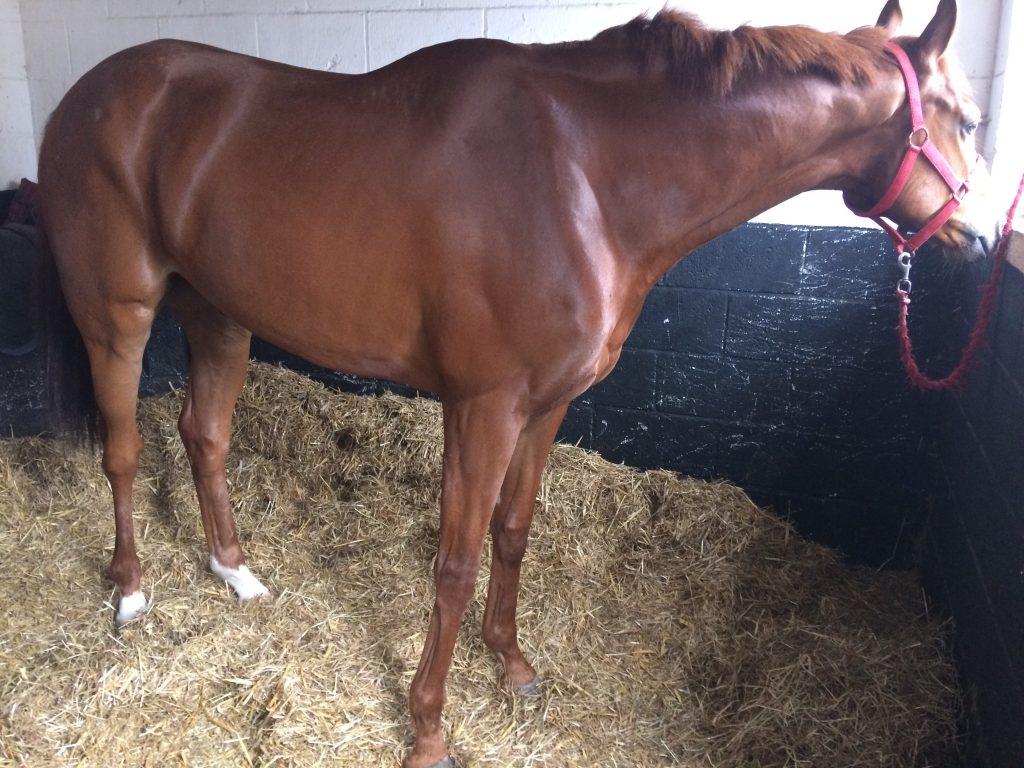
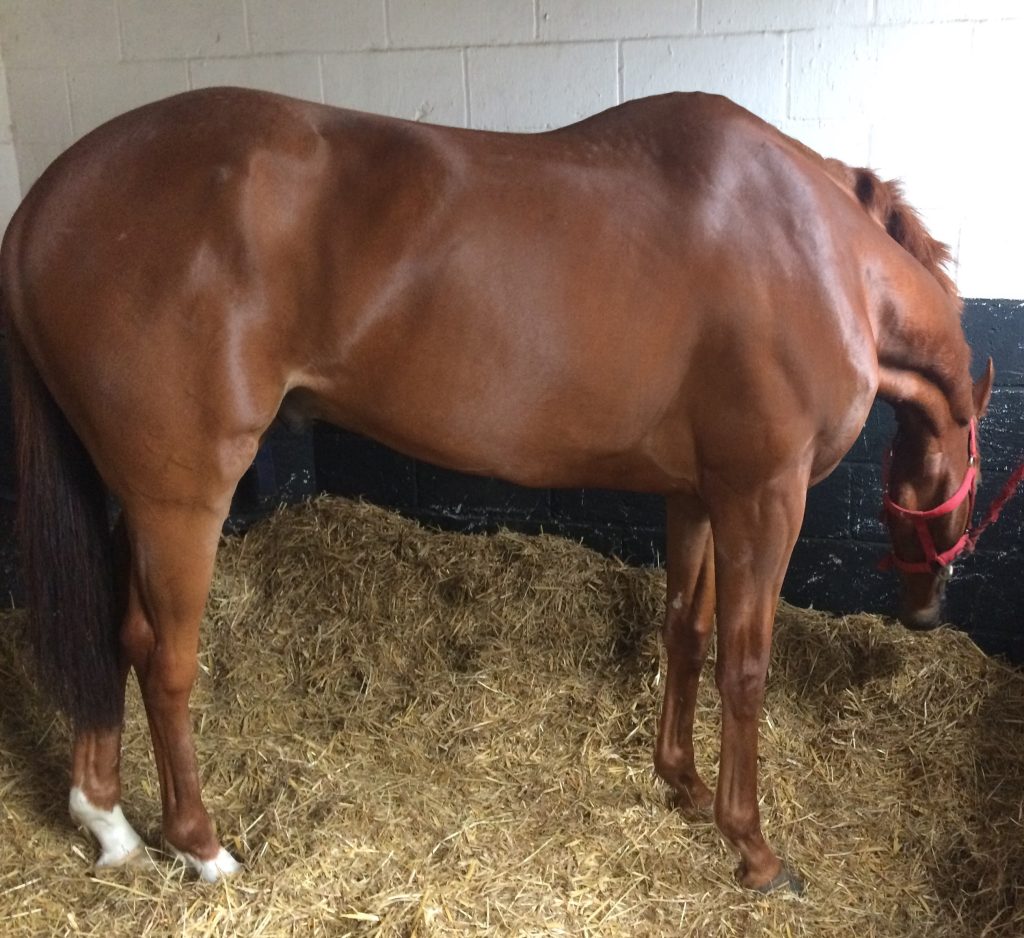
A major concern with young horses is the high incidence of skeletal injury. Being stabled for long periods can incite locomotory stereotypes, weaving and box walking. This causes joint loading, uneven hoof wear and in some cases asymmetrical musculature and with limited range of movement, decrease bone density, weaken muscles and initiate joint pain and stiffness.
Maintaining a healthy flow of synovial fluid, in and around joints, is crucial. When fluid becomes either too thick or thin, it cannot lubricate to protect joints. Physical therapy is an integral part of care. Specific techniques increase range of movement of joints by lengthening and stretching out adjacent muscles. This encourages the synovial membrane to release fluid thus allows articulating bones to move freely over each other with reduced friction and pain.
As a holistic therapist I consider compensatory movement that sometimes can get overlooked.
For example:
(i) Tight shoulder muscles transfer tightness to upper limb muscles, eventually down to flexors and tendons. Inevitably the horse will suffer tendon injury.
(ii) A horse with pain in its lower forelimb (hoof, pastern, fetlock, or knee) will experience compensatory tension in the upper limbs. Upper limbs control movement but when limited through discomfort the horse is unable to lengthen its limbs. This will cause a decreased stride length and if unnoticed/untreated can manifest into the shoulder and further.
(iii) A horse with inflamed hocks is injected with anti–inflammatory medications by a vet. This helps reduce pain and inflammation temporarily but will not address the underlying reasons. Upper body areas such as spine, sacroiliac, lumbar, pelvis, gluteals, stifle and hamstrings will experience secondary pain and restrictions due to gait compensations caused by hock pain.
(iv) Tightness in adductor muscles that stabilise the pelvis. Tension in these muscles can instigate pelvic asymmetry with secondary compensations in gluteals and hamstrings. Horses will have difficulty flexing hip and stifle joint thereby restricting range of motion.
Balancing Sound Structures
It is important to start the horse’s life properly and keep good training and longevity at the fore of priorities. Young horses often develop asymmetrically, and this creates weak areas in the body. Changing undesirable posture into a functional one not only helps relieve physical discomfort but encourages more efficient body and brain use. Whilst they may appear to be balanced, back and core muscles are still developing. To ensure symmetry, it is relevant that appropriate muscles need to be strengthened and conditioned.
Young horses experience inconsistent and awkward growth and development stages. From an early age a right/left preference develops. Repetition of constant weight-bearing will make muscles on this preferred side become more developed and stronger. Imbalance will affect motor laterally which will generate fatigue, an apparent decline in performance and increased risk of injury.
The most efficient horse has a range of motion in the forehand that corresponds to range of motion in the hindquarters; but not all horses have strides that match. Thoroughbreds have specific conformation traits to help with stretch and length of stride. In racing, the burst of acceleration the horse needs to push out of the stalls, causes hindquarter muscles to become hypertonic and tight. Rather than engaging the hindquarters to push forward, the racehorse uses its neck to pull the rest of the body forwards. This results in a heavy forehand and typically the horse is weaker around the back and hindquarters. Locomotor muscles become weak because of the focus on stamina and speed.
Shoulder imbalance is common. A large percentage of overall body weight is carried by the shoulder. Saddle load is concentrated over the withers, which is especially sensitive to pressure – a problem exacerbated by the rider standing in the stirrups. Gaits become uneven and length of stride shorter. Tension in shoulders and withers is often linked to tension in the neck and back. Horses will lack impulsion from behind since the shoulders need to be free for hind limb engagement. If this is not treated, will lead to soft tissue strain and lameness.
Large superficial muscles of the hindquarters provide propulsive forces required for speed.
Hindquarters become imbalanced because of the need for quick power to push from the starting stalls. Neurological communication to the hind end is limited compared to muscles in the front hence makes it difficult for the horse to be aware of muscles it is using in the hind end.
If there is discomfort, lack of balance, poor conformation or injury the horse easily compensates by overusing other muscles. Compensatory patterns in the hindquarters place stress further up the spine, compromising the sacroiliac (SI), ligaments and tendons, subsequently overloading the forelimbs predisposing further injury.
As hindquarters are incorrectly used the hamstring muscle group becomes over developed (hypertonic) to help balance the body. Through this lack of development gluteal muscles atrophy (weaken). Absence of strength in the pelvic structure and dysfunction of deep stabilizing muscles often triggers postural and performance problems. Teaching the horse to use its core stabilizes and supports the pelvic region by helping the horse utilize lumbar muscles more appropriately.
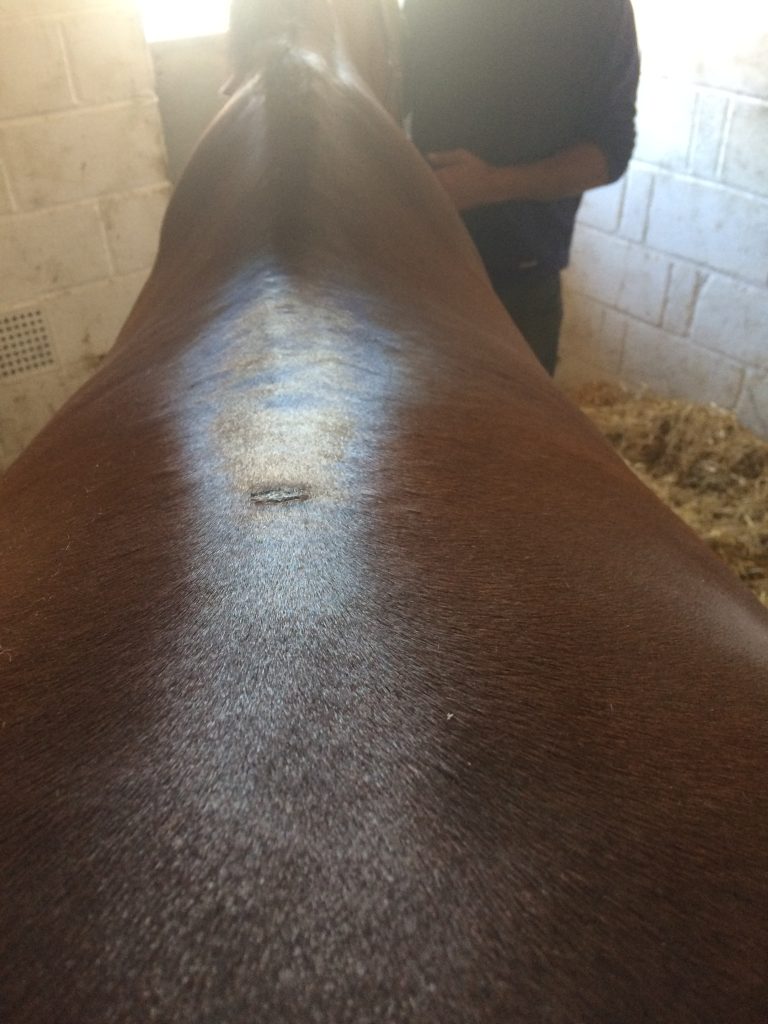
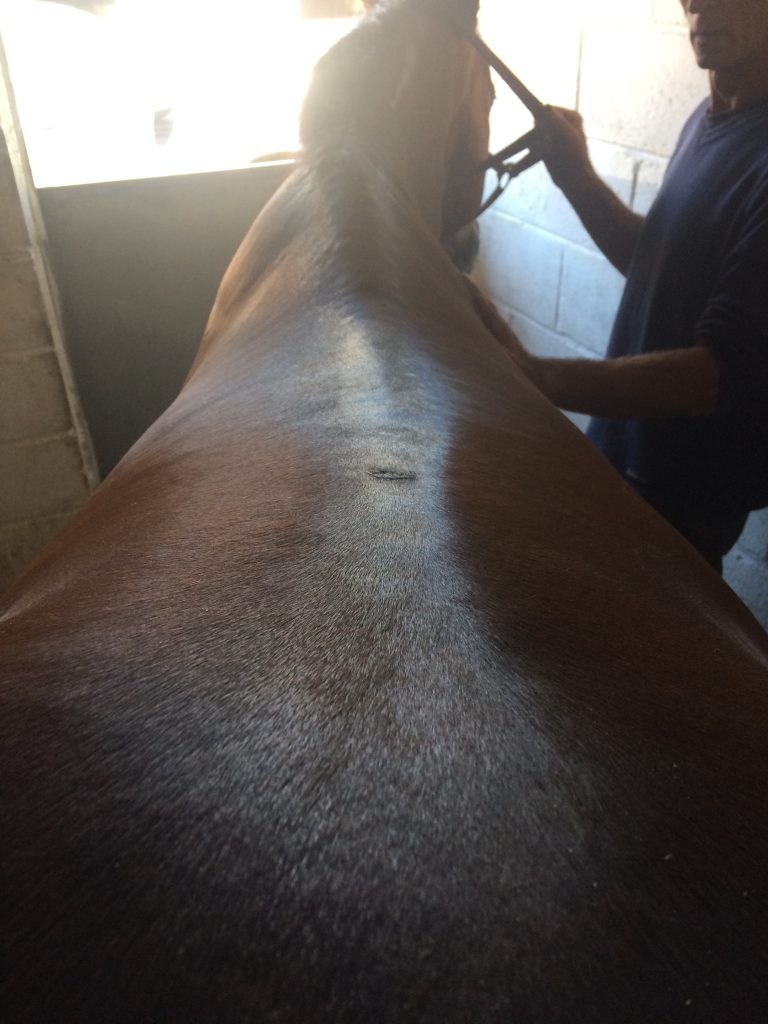
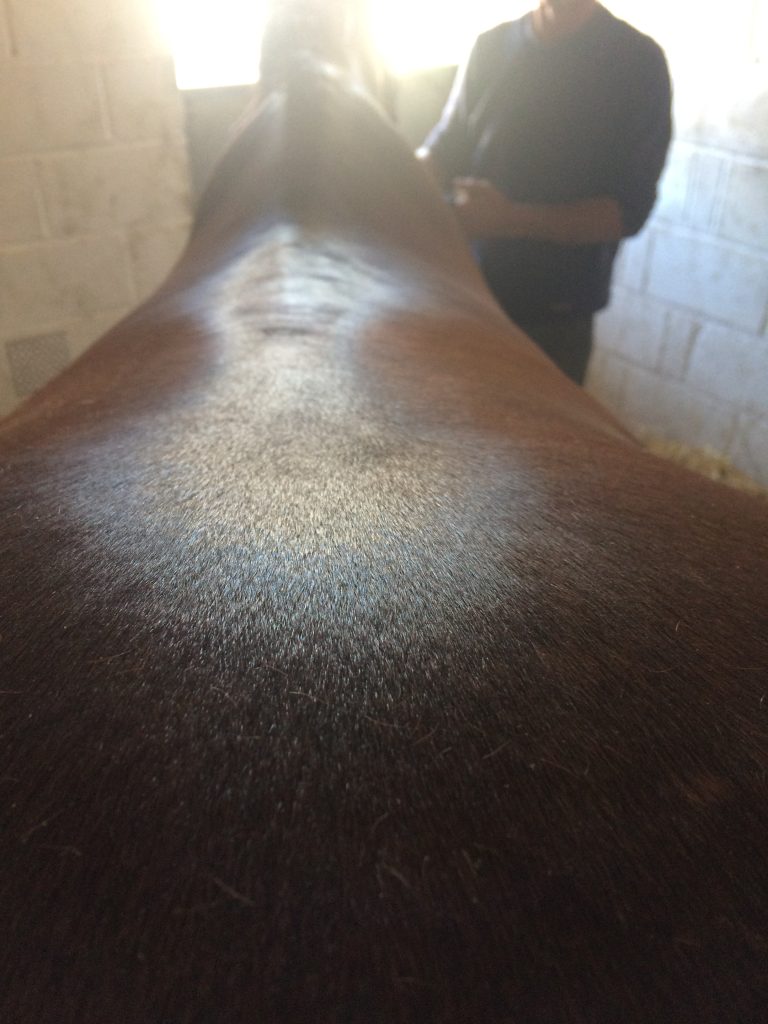
Muscles of the body hold the spine and limbs together in the correct place. The horse’s spine governs overall co-ordination of limbs and gait and is used to compensate uneven ground. The combination of weak and overly tight muscles causes deviation in posture and in the skeletal system.
Tightness through the back influences the horse’s ability to bend and can greatly affect hind limb movement and neck posture.
Incorrect positioning of head and neck restricts breathing and can result in airway disorders. The respiratory system influences the structures in the hyoid apparatus that moves the jaw. Connective tissues in this area directly attach to the front and hind legs which mean any tension here will cause short and stiff strides. Movement of the soft palate due to a fixed head/neck set will also make breathing difficult. Massage and craniosacral techniques can off-set these issues.
Treating Posture
Injuries, unlike accidents, do not happen by chance. The science of injury prevention has demonstrated that injuries and the events leading up to injuries are not random. Like disease, they follow a distinct pattern. Studying these patterns has made it possible to learn to predict and prevent injuries from occurring. Injuries, whether unintentional or intentional, can be considered any physical damage or harm caused to the body resulting in impairment or destruction of health. Injuries lead to death, disability, and financial loss.
Complementary therapies along with conventional veterinary medicine signifies a shift towards a more integrative approach to equine health care. Health is not necessarily just disease. It is a clear distinction made between mind and body, considering the integrity of the whole horse. It is important to add therapeutic interventions do not hurt horses nor mask pain or injury. The goal is to combine the best of both worlds.
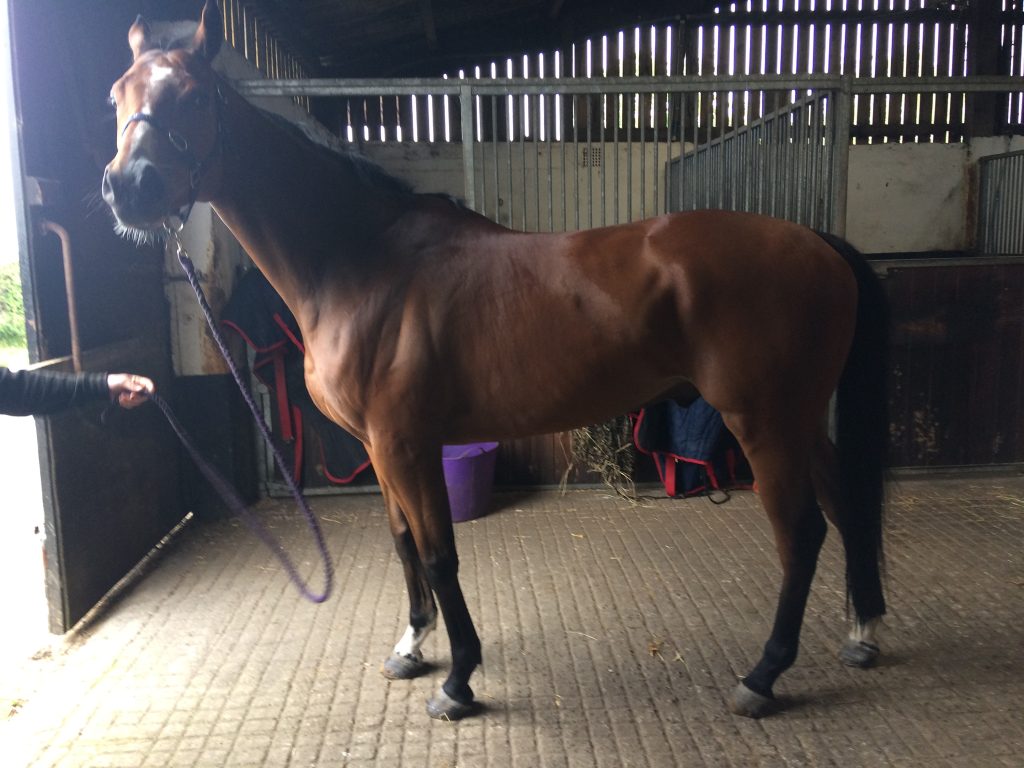
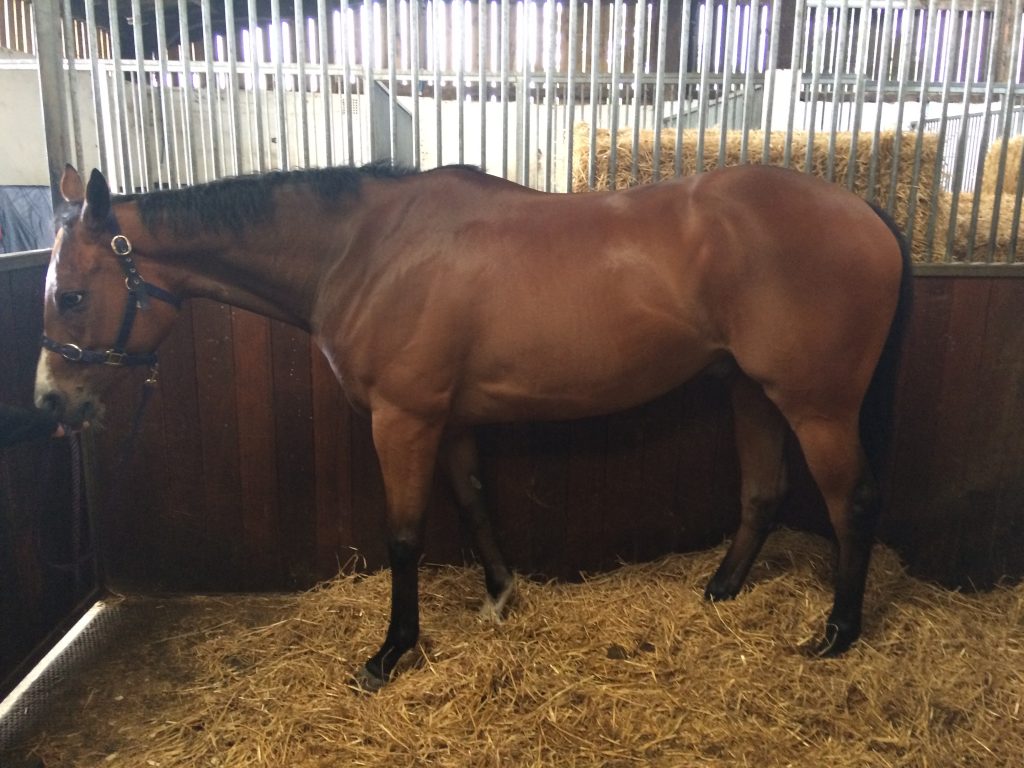
Horses will continue to move and perform with muscle strains or spasms, however during exercise these small spasms recruit more fibres until increased discomfort begins to affect posture, gait, attitude and performance. Restrictions will continue until the horse receives appropriate bodywork.
To practically assess whether the horse is functioning as it should, I look at key areas to build up the ultimate picture. Observing static and dynamic postural observations, movement analysis, examining muscle recruitment patterns and evaluating joint range movement, allows me to bring all elements together – pain, function, balance and posture.
These sequences are repeated until I feel comfortable that the posture exhibited is consistent. Addressing postural and biomechanical dysfunction easily helps to identify common physical one-sidedness. Behavior and postural changes may signal an insignificant or temporary issue or may indicate the first signs of a serious injury.
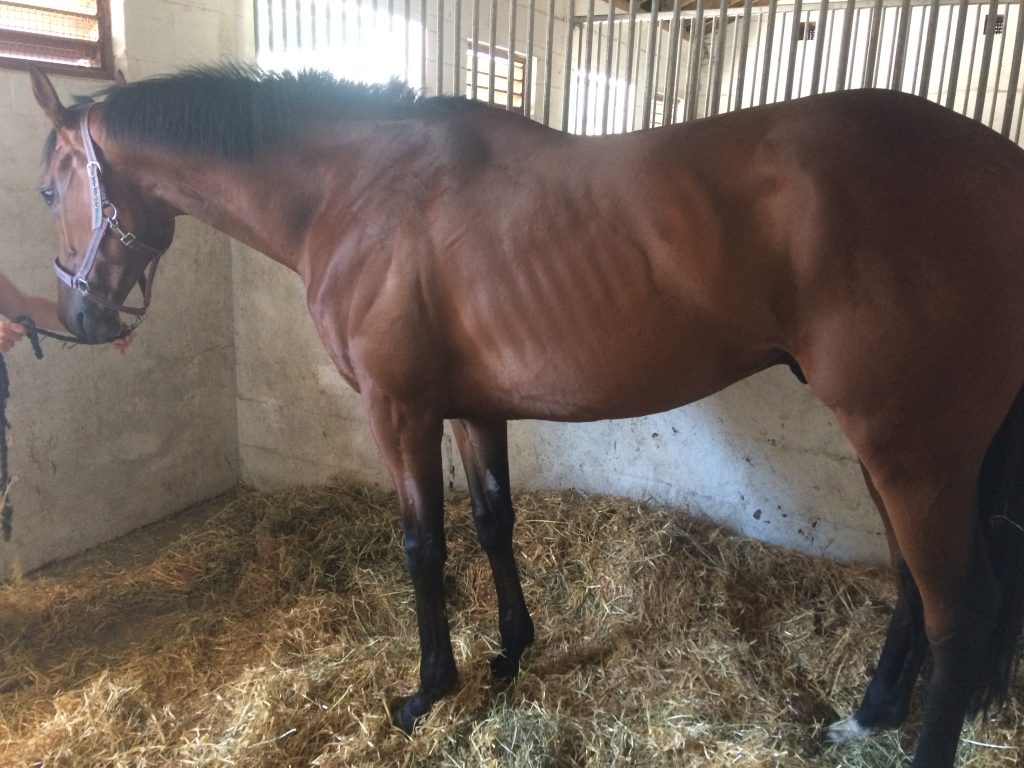
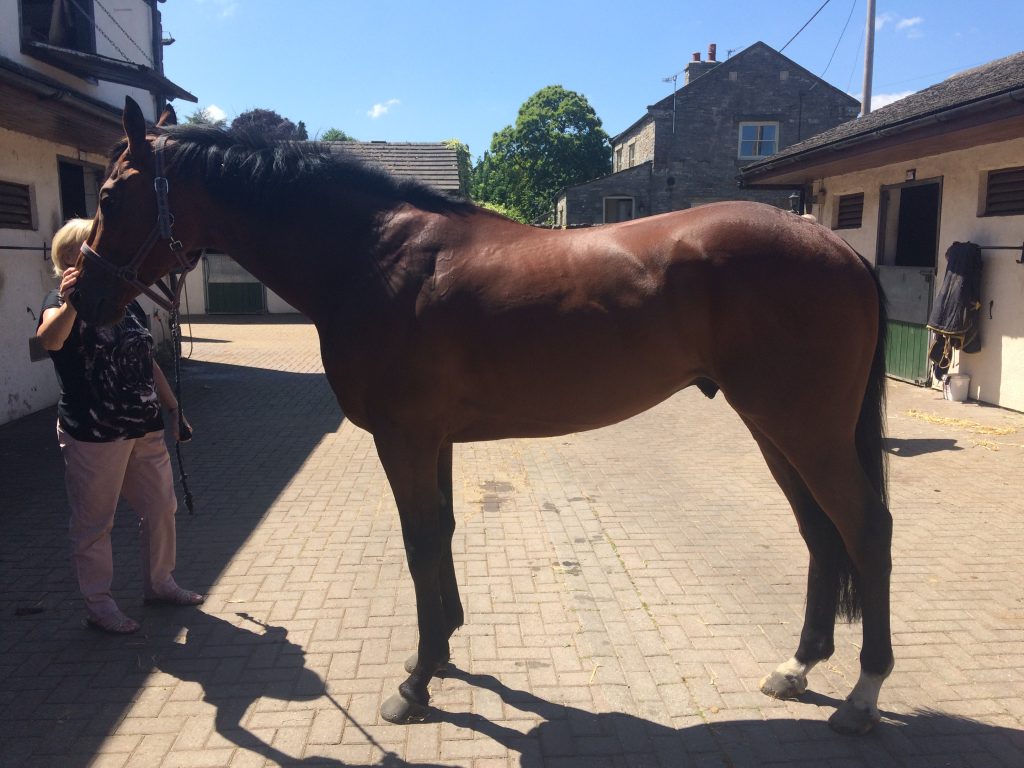
Therapeutic interventions are natural, drug free and allow opportunity to palpate and isolate areas that have become tight, imbalanced, sore, or restricted through training. A thorough palpation of the horse’s superficial muscles assess temperature, texture, tenderness, and tension across the body when looking for muscular dysfunctions. This differentiates the areas that need focus.
Trigger points are very common and using a deeper palpation we find muscle soreness within muscle groups rather than in isolated areas and within the fascia, the body’s entire connective tissue. Blood flow and circulation is automatically improved when there is more space for blood, oxygen, nutrients and water to transport to the cells throughout the horse’s body.
Conditioning for Performance
If we focus on the science of building better athletes, even the most conservative among us will find at least one practical technique we can immediately put to work to develop a better racehorse. Fitness and conditioning levels refer to the horse’s ability to be able to run.
Muscle development and conditioning is key for power, speed, stamina and coordination.
Speed depends on strength and agility for rapid stride turnover.
Strengthening and conditioning muscles equally, bestows full range of motion, correct skeletal alignment, maintains correct biomechanics of joints and maintains comfort. This reduces the risk of soreness and injury.
It is evident from working with racehorses where emphasis is put on fast work, that many lack balance, flexibility and suppleness. There is an absence of core strength which could crucially result in development of kissing spines (impingement of the dorsal spinous processes). Inability will cause tension and curvature of the spine and pelvic tilt, often seen in thoroughbreds.
“Impinging spinous processes (ISP) have been found in 86-92% of racehorses at post-mortem and in 37% in normal horses. Lameness results in reduced ability to use the thoracolumbar muscles normally. Saddle slip to one side occurs in approximately half of horses with hindlimb lameness which is likely due to asymmetric thoracolumbar movement or muscling. Osseous spinal pathology has been shown to cause measurable left/right asymmetry in the multifidus at, or close to the level of pathology in thoroughbred racehorses”. (Jackson, AF; 2020; Evaluation and Treatment of Horses with Back Pain).
Focus should be on building sufficient back and core strength. Conditioning grants the body time to adjust and provides a much safer, more measured response to exercise. It is less exhausting on the cardiovascular system and will lessen chances of injury, allowing time for musculoskeletal tissues to respond. A strong core reacts quicker, offers more control over the center of gravity and generates more power.
The horses’ core will lift the back and withers which will lighten the front. This in turn will prevent strain and overload on lower limbs and joints. During each stride, the horses core needs to withstand forces created. Abdominal muscles and deep back muscles play a vital role in stabilizing the spine, back and pelvis. and this helps create more propulsion from hind limbs. A strong core transfers forces through the body.
A strong core reacts quicker, offers more control over the center of gravity, and generates more power.
In a properly conditioned horse, the core will lift the back and withers and lighten the front. This in turn will prevent strain and overload on lower limbs and joints.
Isometric exercise can be implemented without eliciting additional pain and joint damage by realigning the body from the inside, out. This approach builds strength and stability and couples the horse’s natural movement, enhancing vertebral joint range of motion by rounding (flexion), hollowing (extension) and side to side (lateral bending). Incorporating these exercises will contribute to more effective training and improve the horse’s performance, thereby, reducing risk of injury. Performed from the ground, they improve core stability and assist ridden work.
All these common performance-limiting issues are preventable and treatable, with correct therapy administered at the right time.
About the Author
Laura Stephenson EMAP, IRVAP (MT) is a British Registered Equine Musculoskeletal Therapist. Laura treats horses worldwide and can be reached by email: laurastephenson@equi-elitebodyworks.com