
By CAITLIN CREEL
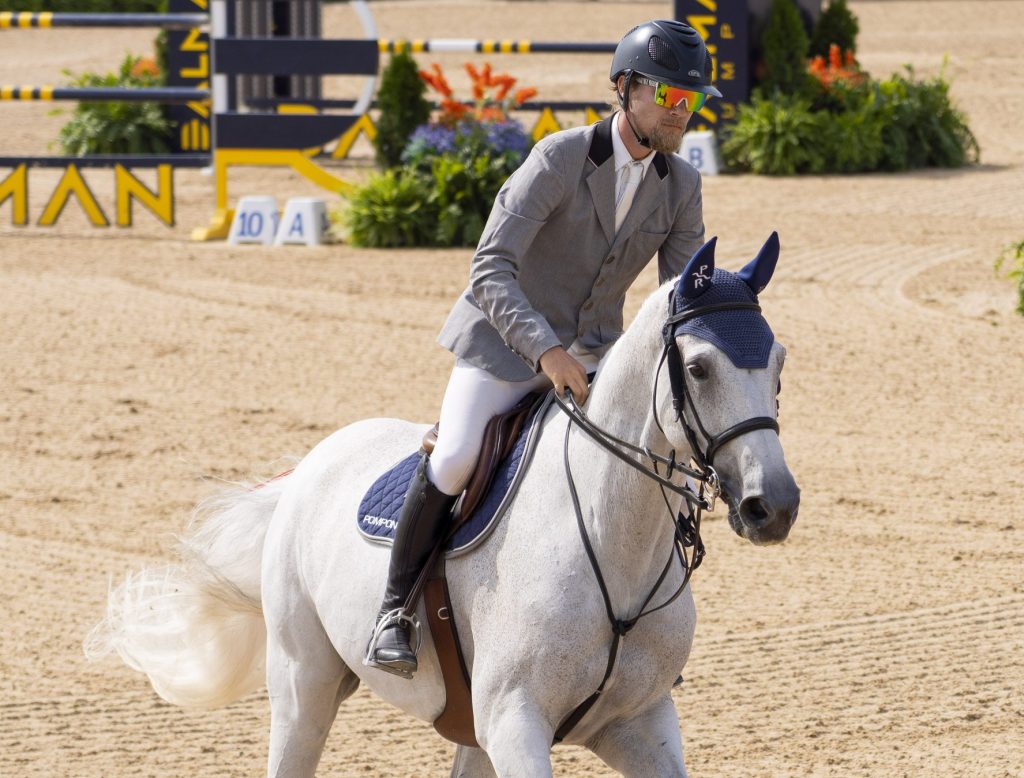
Regarding the latest debate about position, let’s acknowledge something important: we’re discussing a blog post from 2022. I won’t speak for Karl, but I suspect his opinion may have evolved over the last two years following ample opportunity for new learnings and experiences, especially given that time frame includes numerous 5* Grand Prix wins and a trip to the Olympics where he helped Team USA come home with the silver medal.
The truth is Karl’s opinion—agree or disagree—isn’t the real issue. The mere fact that we are debating an opinion from two years ago points to the deeper problem: our collective failure to prioritize consistent education, dialogue, and ownership of our sport’s narrative.
The Education Gap
Look at any mainstream sport today. They thrive on visibility and accessibility. Analysts dissect plays on television, coaches explain strategies on podcasts, and athletes break down performances on social media. This accessibility deepens fans’ understanding and broadens the sport’s reach.
Equestrian sport, in contrast, feels hidden. Critical conversations often happen in niche forums, private rings, or within books that don’t reach new audiences. When we do hear from leading voices, it’s often reactive—addressing controversy or crisis—and largely confined to platforms like Facebook. But here’s a reality check: only 37% of Gen Z are on Facebook, with even less engagement from emerging audiences. By gatekeeping our most valuable insights, we’re losing the chance to educate new riders, inspire future athletes, and connect with entire generations of potential fans who could fall in love with the sport.
Models for Progress
Other sports don’t just embrace education—they amplify it. From post-game analysis to training insights, discussions about performance are constant, accessible, and impactful. They prioritize authentic, behind-the-scenes storytelling that showcases what makes their sports extraordinary. Look at sports like football, baseball, and the surging popularity of women’s basketball and soccer—these efforts clearly work. By breaking down strategies, analyzing pivotal moments, and sharing personal journeys, they serve a dual purpose- providing current athletes with actionable tools to elevate their game while making the sport more relatable and engaging for broader audiences. The result? Increased interest, larger fan bases, and deeply engaged communities.
We could do the same. In fact, Karl is already part of the solution. His “walk-and-talk” series exemplifies the kind of detailed, open-access storytelling that can push our sport forward. By being vulnerable, authentic, and dedicated to sharing his insights, Karl has built an incredibly engaged community. Imagine if more athletes joined him—breaking down their training methods, sharing competition strategies, and discussing how they navigate setbacks. It’s this kind of transparency and authenticity that captivates audiences while building stronger education and connection to the sport.
As someone who lives in the world of digital marketing and content strategy, I’m fully aware of the time and resources this level of investment requires. But before anyone comes at me with ‘there’s not enough interest to justify it,’ take a closer look at Formula 1 or the latest Netflix docuseries on polo. There is clearly an audience for sports once deemed niche, and people love understanding the “why” behind a sport’s moments of glory and failure. Our side of equestrian sport has stories just as compelling as the rest—we’re just not telling them.
Moving Forward Together
Moving our sport forward requires participation at every level.
Top Athletes and Industry Greats:
No pun intended—but it’s time to open the barn doors. Share your processes, insights, and stories. Give fans and fellow athletes a glimpse into your world—whether it’s your training programs, recovery methods, tack innovations or the moments that shaped your career. The more you share, the more you strengthen understanding of our sport’s foundations and connect with the community.
Media Companies:
Continue to take on the challenge of modernizing equestrian storytelling by setting the expectation for top athletes and industry greats. As media experts and professionals, you know what resonates and makes an impact, and you provide the avenues and mediums in which we share it. As more voices look for outlets, you are the key piece to help make our sport accessible at every level.
The Broader Community:
Engage with the content that’s out there. Share your feedback on what you want to see. Be vocal, curious, and enthusiastic. The future of the sport depends on your energy and participation.
Equestrian sport is at its best when it’s collaborative. Let’s learn from other industries, tear down the walls of exclusivity, and commit to ongoing education in the open. Vulnerability, education, and authenticity—like Karl and various other sports have demonstrated—are not signs of weakness. They are what keep our sport alive.
This isn’t about one person’s perspective on position—it’s about our collective responsibility to ensure the sport grows and thrives. This one debate engaged our community more in a single day than I have seen in years. Imagine if we did this more often, proactively, with intention and positivity.
The question isn’t whether Karl’s opinion was right or wrong. The question is: Where are the rest of us, and what are we going to do about it?















