
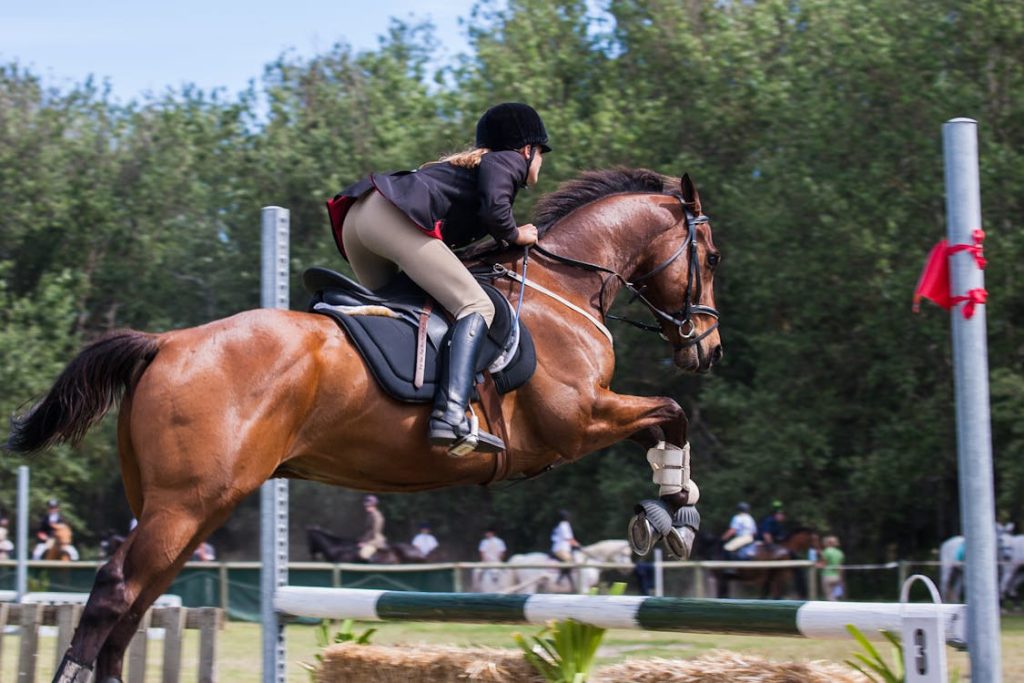
As a competitive equestrian, your mindset serves as the cornerstone of your success. Building a strong mental framework is essential for overcoming challenges and achieving your goals. First and foremost, it’s important to cultivate a positive attitude. This means focusing on what you can control: your effort, your attitude, and your preparation. Adopting a growth mindset allows you to view obstacles as opportunities for improvement rather than setbacks.
Setting clear, measurable goals also contributes significantly to your competitive mindset and can help during cricket app betting. Break these goals down into smaller, achievable milestones that you can track over time. For instance, instead of simply aiming to win a competition, set specific training goals such as mastering a particular jumping technique or refining your riding position. This approach keeps you motivated and offers a sense of accomplishment as you progress.
Perfecting Your Riding Position and Technique
Your riding position is the foundation of effective equestrian performance. A balanced and correct posture enhances your control over the horse and improves communication between you and your equine partner. Start by ensuring that your heels are down, your back is straight, and your shoulders are relaxed. This alignment not only stabilizes your position but also aids in the horse’s performance.
Cross-Training for Equestrians
Physical fitness plays a crucial role in your equestrian performance, and cross-training is an effective way to enhance your overall strength and endurance. Engaging in diverse physical activities not only builds your core strength but also improves flexibility and cardiovascular fitness. Consider incorporating activities such as yoga, Pilates, or swimming into your weekly training regimen.
Fueling Your Mind and Body for Peak Performance
Nutrition is a critical component of athletic performance, especially for equestrians who require both physical and mental stamina. To optimize your performance, focus on a balanced diet rich in whole foods, including lean proteins, complex carbohydrates, and healthy fats. These nutrients provide the energy necessary for intense training sessions and competitions.
Hydration also plays a key role in your performance. Dehydration can lead to fatigue and decreased concentration, so ensure you are drinking sufficient water throughout the day.
Preparing Mentally
Mental preparation is equally vital to physical training. Visualization techniques are effective tools that can help you mentally rehearse your rides and competitions. Spend a few minutes each day imagining yourself performing flawlessly in the ring.
Communication and Trust
Your relationship with your horse is fundamental to your success as a competitive equestrian. Building trust and communication between you and your horse is essential for achieving harmony in your rides. Start by spending quality time with your horse outside of training. Grooming, hand-walking, or simply spending quiet moments together can strengthen your bond and enhance your horse’s comfort around you.
Consistent and clear communication is vital during rides. Use a combination of verbal cues, body language, and leg aids to convey your intentions to your horse.
Recovery and Rest
While training is essential for improvement, recovery is equally important and often overlooked. Your body needs time to repair and strengthen itself after rigorous training sessions. Prioritize rest days in your schedule to allow your muscles to recover and your mind to recharge. This balance is essential for sustaining long-term performance.
Incorporating active recovery techniques can also be beneficial. Activities such as light stretching, yoga, or leisurely rides can promote circulation and aid muscle recovery without putting too much strain on your body. Listening to your body is crucial; if you feel fatigued or sore, don’t hesitate to take a break or modify your training schedule.
How to Leverage Technology in Equestrian Training
In today’s digital age, technology offers valuable tools that can enhance your equestrian training. One of the most popular advancements is the use of riding apps and wearable devices. These tools can track your performance metrics, such as heart rate and ride duration, providing insights into your training effectiveness.
Video analysis is another powerful resource for equestrians. Recording your rides allows you to review your technique and identify areas for improvement. Many riders find that seeing themselves in action offers a new perspective that is difficult to achieve at the moment. Use this feedback to make adjustments and refine your skills.
Stay Updated
The world of equestrian sports is constantly evolving, and as a competitive equestrian, staying current with the latest training methods is essential for success. Attend clinics, workshops, or seminars to enhance your knowledge and skills. These educational opportunities not only provide valuable insights but also allow you to network with other riders and trainers.
Reading books, articles, and research studies on equestrian training can also broaden your understanding of the sport. The more diverse your knowledge, the better equipped you will be to adapt and innovate in your training regimen.
Conclusion
Elevating your performance as a competitive equestrian requires a comprehensive approach that encompasses mindset, technique, fitness, nutrition, mental preparation, and more. By implementing these ten training tips into your routine, you lay a solid foundation for success. Remember, progress takes time and dedication, but with consistent effort and the right mindset, you can achieve your equestrian goals.
Riding demands focus and skill, qualities that enhance the excitement of playing at a live casino, where every move counts















