By CRYSTAL WENKER
I glanced over my shoulder from a pile of BBQ chicken wings to one of the screens mounted across the room, taking a quick visual clock of the horses loading into gates. I had about two more minutes until post time. Wrangling my 4-year-old back into his chair with my free arm, I gulped my beer and attempted to stoke his enthusiasm. “Look at the horses!” I pointed. The hope was that he might loosen his grip on my undivided attention long enough for me to watch the race start to finish. The televisions at the pub typically broadcasted sports featuring leather balls, but that day there was one displaying horse flesh. The 2025 Kentucky Derby is fast approaching, and I was giddy to sneak a peek at any promising contenders.
The number nine horse, a dark bay gelding, flaunted a sky-blue saddle pad that complimented his shiny chocolate coat. As the horses burst from their starting gates, it became obvious that he was larger than the rest. Ambling up from mid-pack with ease, he began to lean into the full reach of his stride down the home stretch. I didn’t need to keep watching to know that he’d secured his victory, but I did watch of course; I would’ve been hard-pressed to look away. As number nine soared across the wire, easily putting several links between him and the 2nd place runner, I was summoned back to reality before I could catch his name. Tiny fingers coated with BBQ sauce urgently needed wiping.
As an equestrian, I suffer a gap between how I feel about the thoroughbred racing industry and how I think I should feel. I am often met with dismissal from fellow equestrians when I broach the topic of the Kentucky Derby (or of horse racing in general). It seems that whenever I mention it, I get that wafting taboo feeling. And I get it, kind of. But I hope I can promote a different perspective.
I’d like to offer a few questions to those who feel that perfunctory lip curl when the topic of horse racing is mentioned: Could you be carrying a bias due to a lack of direct personal exposure? Can we say that the abuses that take place in the racing world do not also exist in our own arenas? Is it possible that you are looking at your own sport through rose-colored glasses?
I can clearly remember the first race I ever watched. I was 7 years old and happened to flip onto the fuzzy coverage of the 1991 Breeders’ Cup Sprint at Churchill Downs. We lived just outside of Louisville, Kentucky, where thoroughbred racing has long been an ever-present backdrop of the commonwealth’s identity.
Until then, all I knew of the races was that my grandpa threw a derby party each year where I pulled a horse’s name out of an old hat. The Breeder’s Cup of ‘91 was my first time watching what all the fuss was about. I remember feeling like I was participating in a rite of passage as I sat still in front of my dad’s mini-TV, careful not to disrupt the antenna and fizzle the reception.
A bay stallion named Housebuster, the prohibitive favorite, was running his final start. He suffered a misstep midway through the race, breaking down on the track due to an injury in his left foreleg. Housebuster was on the brink of victory when his jockey suddenly pulled him up, slowing his pace and sinking him all the way back to the third from last position. Fortunately, Housebuster’s injury was not fatal, but watching the live coverage in the moments when everyone was waiting to hear the fate of the beloved sprinter – I felt a wave of guilt. Not sure what I was witnessing, I quickly switched the TV off. The notion that the horses could get hurt while racing had never dawned on me.
I freely acknowledge that the subject of horse racing and the limelight the Kentucky Derby shines on it is controversial, and I won’t say that it shouldn’t be. When it comes to horse racing and the Kentucky Derby, I am contentedly resigned to remain a hypocrite. Just stick with me here…
In Louisville, the Kentucky Derby isn’t a mere annual event, it’s a holiday with a rich 150-year history. In fact, The Kentucky Derby Festival activities begin a month in advance of the race itself. Growing up not far from the city, I lived every derby season well into my twenties. Among the many festivities, there is “Thunder Over Louisville,” the third largest fireworks display in the country (it’s not lost on me that fireworks terrify horses), and the interminably joyous Pegasus Parade, complete with a towering Pegasus horse float (the official mascot of the derby).
While some city dwellers opt to leave town to avoid the massive influx of “folks not from around here”, others capitalize on it, turning their front, back, and side yards into public parking lots for cash. Derby parties are thrown that vary wildly in scale, from humble gatherings featuring a Derby pie (a savory chocolate, walnut, and custard tradition not to be confused with the lesser pecan pie) to extravagant 1920s-themed masquerades. While the amount of money women drop on derby hats alone is immoral, I remain determinately conflicted when it comes to the sport all this celebrating is built atop of.
I had the privilege of working with racehorses as a groom and hotwalker several years back. I assisted a trainer one summer at a facility near Louisville and did a short stint on the backside of the Twin Spires track in New Orleans. I even briefly dated a jockey (albeit short-lived, no pun intended).
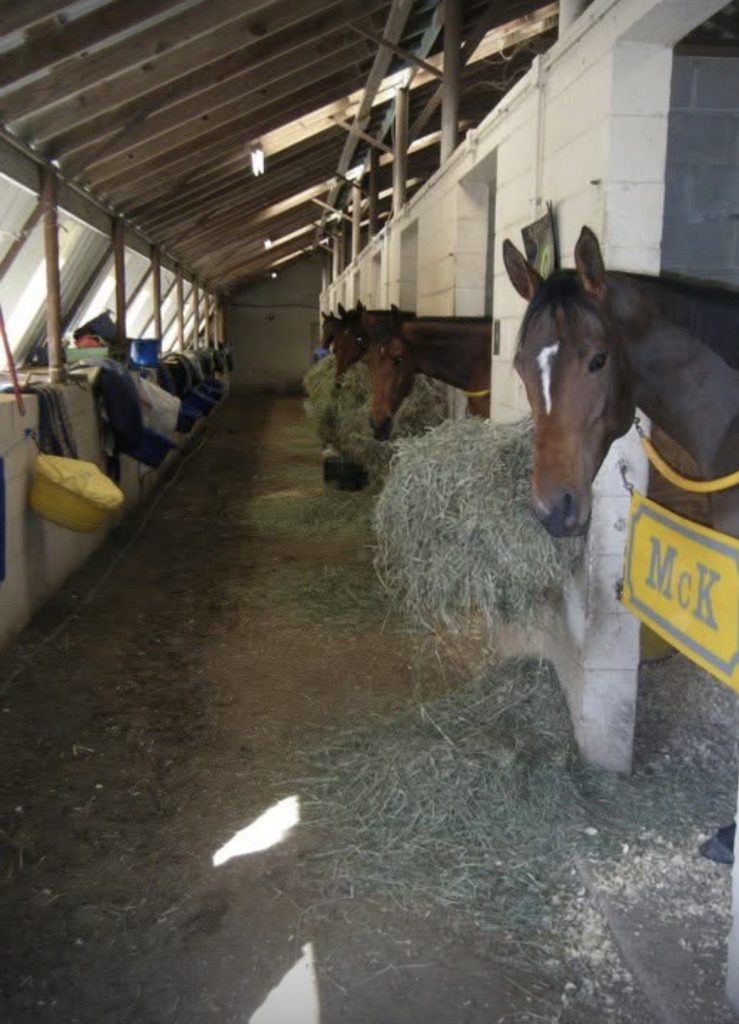
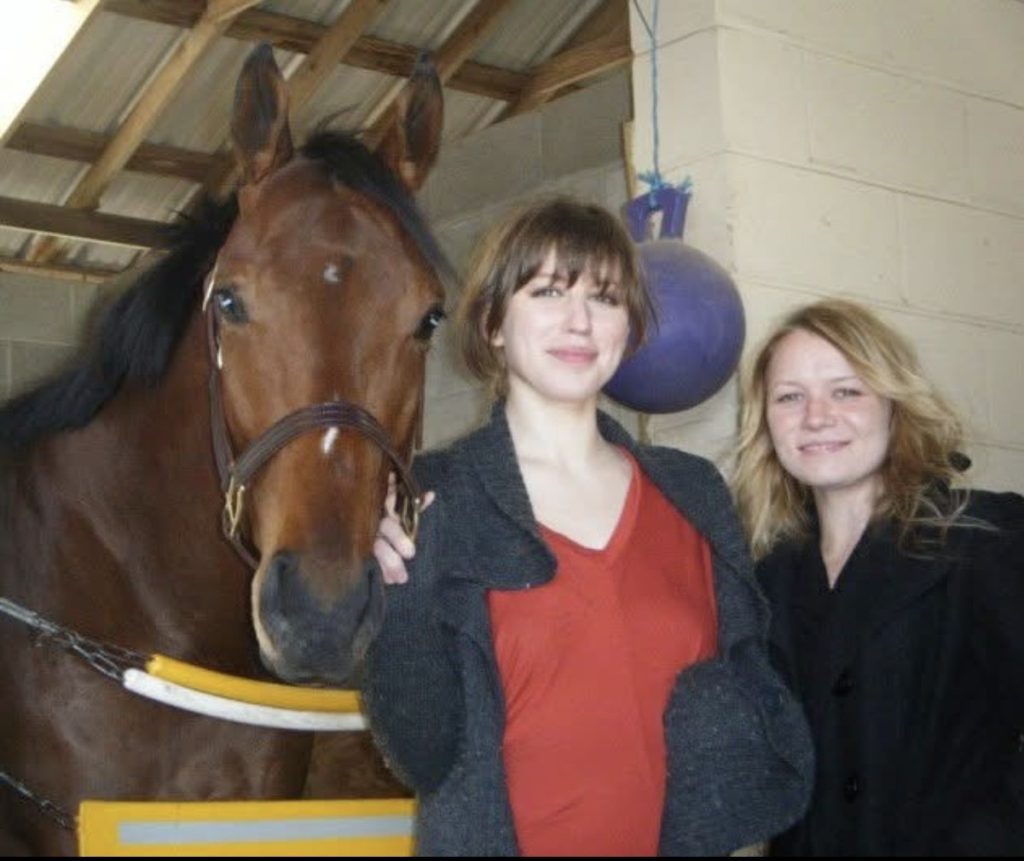
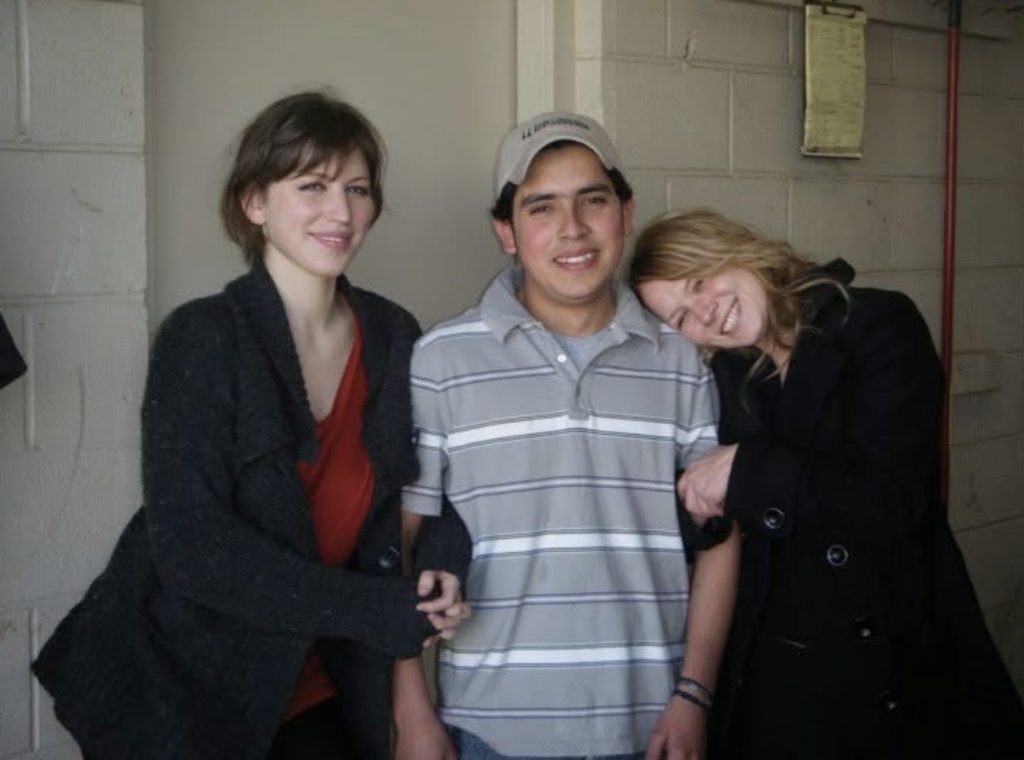
I have seen firsthand the work and effort, the heart and heartache that good trainers and handlers put into the daily care of the horses they are charged with. I have seen the pride grooms take when tending to them and how they often put their equine counterpart’s wellbeing before their own. I am sure that all equestrians can relate to the fact that caring for horses is not a job we do for the pay; it is a lifestyle, a calling, and a passion.
Harsh realities exist in the sport of horse racing; I’ve watched a trainer knowingly run an injured horse at a claiming race, injecting him with enough drugs to get him through till the end of the race. Fatal injuries and a throwaway culture when a horse is no longer performing are among the gruesome truths of the industry, but I have seen examples of this across every horse sport I’ve encountered. While it is our responsibility to throw stones at abuse, we must also consider whether we are living in glass houses. We must resist becoming sanctimonious when looking at other riding disciples, we can all do better.
The racehorse industry mirrors back at us many facets of what it is to be human, and the Kentucky Derby distills them all down into two minutes. All emotions are heightened for those moments; anticipation, admiration, hope, love, heartbreak, excitement, and determination–all felt by the collective masses watching the horses and the equestrians who pour their lives into their care.
Horses are motion, that’s the exhilaration of watching them run. They were born to do it. Thoroughbreds perform this act so beautifully that watching them race pulls at something deep within our humanity.
A larger embrace of the horse racing industry would be holistic and insightful for the greater equine community. Acceptance begins when we start seeing ourselves clearly through an objective lens. Let’s remember to focus on what all true equestrians have in common, the love for horses.