
Brought to you by The Plaidcast
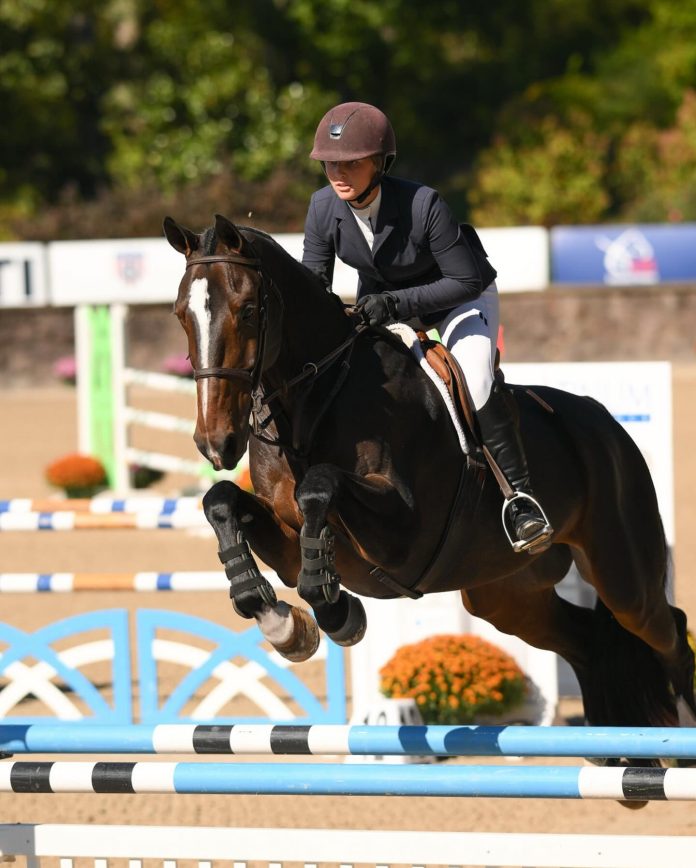
At the 2025 Platinum Performance USEF Talent Search East Finals, riders faced a format unlike any other equitation championship. Over three days and multiple phases including flat, gymnastics, jumping, and a final horse swap, the competition tested not only polish but problem-solving, adaptability, and true horsemanship.
For winner Eleanor Rudnicki, that focus on real riding made all the difference. “I think the Talent Search is very unique in the way it’s judged much more on the jumper style of riding,” she said on The Plaidcast. “It’s not about 10 to 12 perfect jumps, landing all the leads, and making it all look so seamless. They really wanted to see how we handled any mistakes that either we or the horses made.”
A Format That Demands Feel
Unlike the ASPCA Maclay or USEF Medal Finals, where courses tend to reward precision and consistency, the Talent Search introduces layers of difficulty that challenge riders to adapt on the fly.
The competition begins with a flat and gymnastics phase, followed by a full jumping course, and concludes with the top four riders swapping horses and returning for one final round. That horse-swapping element alone makes it one of the most dynamic finals in the equitation calendar.
Rudnicki appreciated how the 2025 format let riders demonstrate depth rather than solely execution. “The warmup and jog were on Friday, then the flat and gymnastics were combined on Saturday,” she explained. “I didn’t know my horse very well, so it was kind of nice to figure him out in the ring and let him take a breath before starting the gymnastics phase.”
By Sunday, the final phase demanded full concentration and trust between horse and rider. “We all swapped onto each other’s horses this year,” she said. “It was a fabulous group. None of them had a rail, and they were all lovely to ride. It was great to use some of the catch riding experience I’ve had in the past.”
Judged on Horsemanship, Not Perfection
What sets the Talent Search apart, Rudnicki explained, is its deliberate emphasis on practicality over polish. Judges Chris Kappler and Caitlyn Eser told riders upfront that they wanted to see “real horseback riding.”
“There was less emphasis on everything being so perfect and quiet,” Rudnicki said. “They really wanted to see how we figured out the course as we went.”
That shift toward adaptability mirrors the reality of jumper competition, where riders constantly make micro-adjustments based on what they feel under them. As Piper Klemm noted in the interview, “When you watch World Cup or top jumper classes, people are doing what’s right for their horse. You’ll see five, six, even seven strides in the same line depending on what keeps their horse jumping best.”
Rudnicki agreed, and pointed out that flexibility doesn’t mean sloppiness. “If you followed the scores, it didn’t seem like the numbers were the biggest factor as long as you were clearing the jumps and keeping it smooth,” she said. “There were a couple of options on the course. After the water, for example, there was kind of an open seven or an easy eight. I chose the eight to set my horse up for the inside turn after, but other riders did the seven, and both worked.”
It’s a format that celebrates strategy as much as symmetry. It’s a refreshing reminder that the art of riding isn’t about memorizing patterns, but making thoughtful, in-the-moment decisions.
In recent years, many professionals have voiced concern that equitation can sometimes veer toward over-perfection—rewarding a “statue in the saddle” look rather than functional, feel-based riding. The Talent Search pushes back against that trend by rewarding effective communication with the horse.
For Rudnicki, that focus on effectiveness over elegance represents the heart of horsemanship. “My goal coming into the week was just to ride what I had under me,” she said. “It’s really about real riding and getting things done instead of being absolutely perfect.”
That philosophy aligns more closely with what riders encounter at the next levels of competition, from U25 jumpers to international events. It’s no coincidence that many past Talent Search winners have gone on to successful professional and team careers. The final doesn’t just produce winners—it builds adaptable, thinking riders.
A Win That Reflects the Future of the Sport
Rudnicki’s path to victory also embodied the spirit of adaptability the Talent Search demands. She originally planned to compete on one of Berry Porter’s younger horses, but after a rough warmup day, Emily and Ken Smith of Ashland Farm offered her a backup horse, Qwantreau, at the last minute.
“I hopped on, jumped a couple of fences, and decided to go for it,” she said. “The horse had been doing the jumpers and didn’t have much equitation experience, but he just got better and better throughout the weekend.”
That willingness to adapt, to trust her instincts and the process, echoes the essence of what the Talent Search represents. The weekend was a study in resilience and resourcefulness, both for horse and rider.
A Solid Measure of Riding Skill
By prioritizing problem-solving and awareness over aesthetic perfection, the Talent Search Finals remind the sport that real horsemanship still matters. It challenges riders to think beyond the numbers on their course maps and focus instead on partnership, feel, and effective communication.
“The judges this year really wanted to see how we handled the unexpected,” Rudnicki said. “That’s what made it so fun.”
Her win wasn’t just about clear rounds or high marks. It was a testament to the skills that define true riders: adaptability, sensitivity, and the courage to ride what’s underneath you.
Want more insight from Eleanor Rudnicki? Listen to her full interview on The Plaidchat and subscribe on your favorite podcast platform for more conversations with the most influential voices in the equestrian world.