

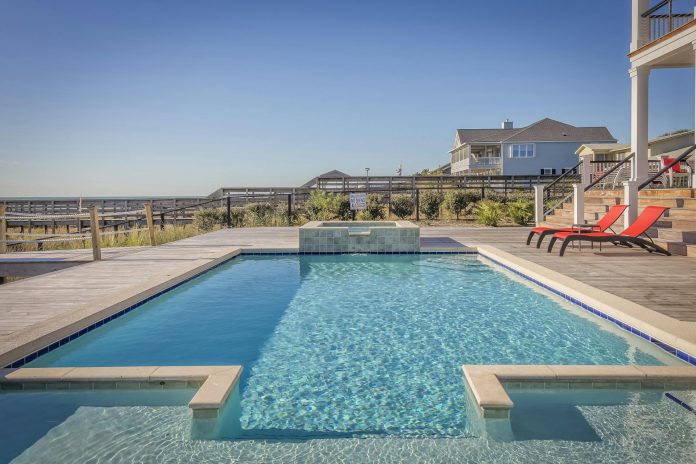
Owning a pool is often seen as the ultimate backyard upgrade. It brings family together, adds a touch of luxury, and can even increase your property value. But before diving into the dream, it’s important to look at what it truly costs over time—not just the initial installation. Understanding the lifetime cost of an inground pool helps homeowners make smarter financial choices and enjoy their investment without surprises down the road.
Breaking Down the Initial Installation Costs
The largest expense you’ll face upfront is installation. The inground pool cost can range anywhere from $40,000 to over $100,000 depending on size, materials, and design features. Concrete pools tend to be on the higher end due to customization and longevity, while vinyl and fiberglass options are more affordable but come with their own maintenance considerations. Add-ons like lighting, decking, spas, and automation systems can easily add thousands more. The best way to avoid sticker shock is to get multiple quotes and make sure every line item—from excavation to electrical—is clearly outlined.
Ongoing Maintenance and Cleaning Expenses
Once your pool is built, maintenance becomes the next major factor. On average, expect to spend $1,000 to $2,000 per year for regular cleaning, chemicals, and basic upkeep. If you hire a professional pool service, that number can climb higher. Regular maintenance includes skimming, vacuuming, checking chemical balance, and maintaining filters and pumps. While these costs are inevitable, staying consistent with maintenance helps prevent costly repairs later. Investing in an automatic pool cleaner and learning to handle simple care tasks yourself can cut these annual expenses significantly.
Utilities: Heating, Water, and Energy Use
A pool’s ongoing costs extend beyond maintenance. Heating, refilling, and running pumps can raise your monthly utility bills, especially in warmer climates where pools are used most of the year. A gas heater can add $200–$400 per month during swim season, while a heat pump or solar heater might cost more initially but save money in the long run. Energy-efficient pool pumps and LED lighting are also excellent upgrades that reduce electricity use without sacrificing performance. Over time, small improvements in energy efficiency can make a big difference in the total lifetime cost.
Repairs, Resurfacing, and Equipment Replacement
Every pool, no matter how well built, will eventually need repairs. Vinyl liners usually need replacing every 7–10 years, costing around $3,000–$5,000. Fiberglass pools may require resurfacing after 15–20 years, while concrete pools need periodic acid washing or refinishing. Pool equipment—such as pumps, heaters, and filters—typically lasts 5–10 years before replacement. Setting aside a small annual budget for future repairs keeps these inevitable costs from feeling overwhelming. Preventive maintenance and prompt attention to leaks or cracks can also extend the life of your pool and equipment.
Insurance, Permits, and Property Value Impact
Homeowners sometimes overlook the added costs related to insurance and permits. Adding a pool can increase your property’s value but also your liability risk. This often means higher homeowners insurance premiums, usually around $50–$100 more per month depending on your location and coverage. There may also be local permits or inspection fees when you build or remodel your pool. On the positive side, a well-maintained pool can increase resale appeal, particularly in warm regions where pools are highly desirable.
How to Minimize Lifetime Pool Costs
There are plenty of smart strategies to control expenses. Start with efficient design—choose a pool size that fits your actual use and yard space instead of going oversized. Add a solar cover to retain heat and reduce evaporation. Opt for a variable-speed pump, which can cut energy costs by up to 70%. Keeping the pool covered when not in use prevents debris and chemical loss, reducing maintenance time and costs. Also, schedule professional inspections every few years to catch small issues early before they turn into big repairs.
A Worthwhile Investment with Smart Planning
An inground pool is a long-term investment that can bring years of enjoyment, but it comes with ongoing responsibilities and expenses. When homeowners plan ahead, track maintenance, and invest in efficiency, the lifetime cost of ownership becomes far more manageable. Rather than seeing it as a financial burden, think of your pool as a lifestyle upgrade that rewards consistent care. With thoughtful budgeting and a little proactive attention, you can make the most of your pool for decades—without draining your wallet in the process.