By JAMIE SINDELL
Recently, I had to make one of the hardest decisions I’ve faced as a horse mom — weighing what mattered more: the chance to show, ride more horses, and be part of a barn community, or my child’s wellbeing and confidence.
When my daughter got the opportunity to work off expenses at a show barn this spring, it felt like a door opening to everything she had worked so hard for. But deep down, I couldn’t shake the worry that not all that glitters in the horse world is gold.
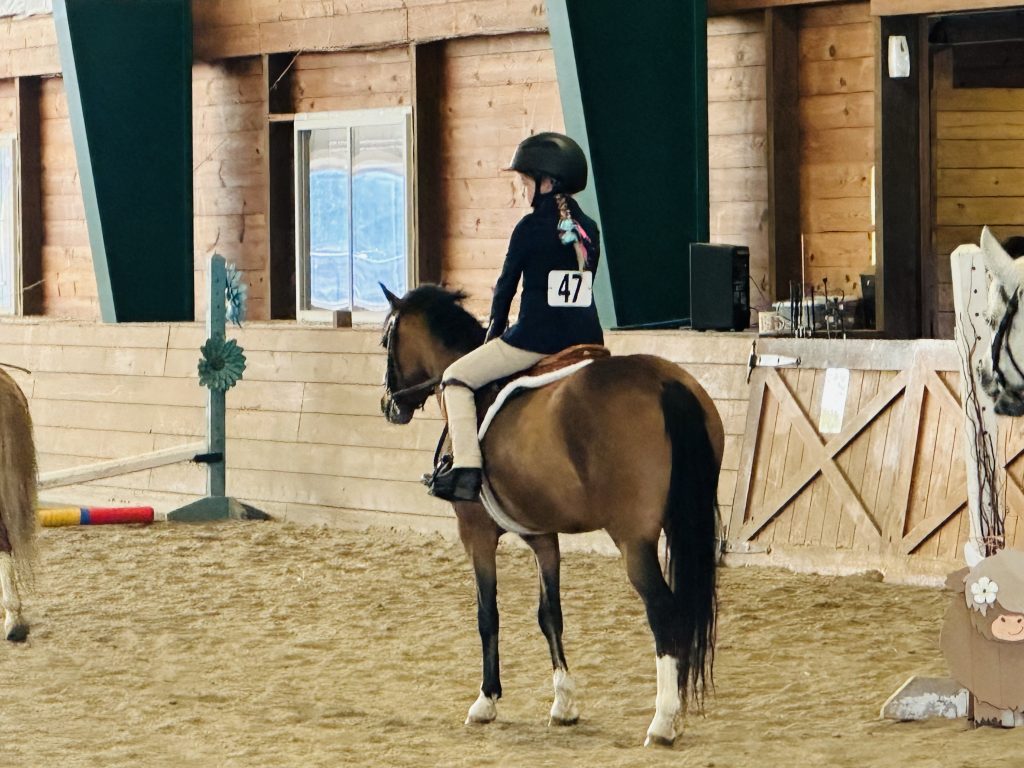
My teen longed for a chance like this. More horses to ride. Bigger shows. A barn community instead of just me and her siblings at our backyard farm. And, on top of that, the trainer had given her a job — something many pros won’t do. She’d get to groom at rated shows and ride horses she wouldn’t have access to otherwise.
Sometimes, the trainer would offer encouragement, notice a job well done, and give my daughter horses to show. Those moments made it so easy to justify staying, to ignore the harder moments, and to tell myself that the yelling, the gossip, and the criticism were just the price of opportunity.
At first, I missed the red flags. My daughter told me her trainer “yelled” at her, but she brushed it off. “It makes me better,” she’d say. She was improving, grateful for the opportunity, and thrilled to be working to ride. We’d finally found the right place for her to grow in an industry that often ignores kids without big bucks.
But small things started to feel off. I often overheard gossip or criticism along with her trainer’s eye-rolling or dismissive behavior. At first, I told myself it was just “barn talk.” Every program has its quirks, right? Except the jokes weren’t funny, and the gossip wasn’t lighthearted. Often, it felt mean-spirited and made me uncomfortable. Especially when it targeted children.
Then I started to feel it too — something I was noticing in my daughter — that subtle erosion of self-belief. When the trainer offered to help sell our pony, I thought it was a kind gesture. Instead, it turned into a list of everything we’d failed at. His feet. His weight. His training. Wrong! Wrong! Even if it was meant well, I found myself doubting my capability. If her words could make me, a grown adult with years of horse experience, feel that small, what were they doing to my fifteen-year-old?
At a show at the end of summer, I noticed her influence even more. My three younger daughters were ringside, cheering for their big sister, when the trainer said, “Winners win. We don’t like losers.” It seemed intended as motivation, but my stomach sank. I laughed it off, countering with, “That’s not what we teach at home,” but inside I wondered what messages were sinking in.
Even as the trainer helped my daughter ride well and let her take on extra responsibilities, I could see the toll it was taking. Little by little, my daughter’s confidence was waning. She’d make comments like, “I’m worried to go to the barn today.” The excitement and joy that used to pour out of her around the horses was turning into tension. One night, she whispered, “I’m scared for my lesson tomorrow.”
That was the moment I knew. This wasn’t about tough coaching or high standards. This was fear.
The breaking point came during a pony trial for my younger kids. During the trial, the trainer kept chanting at me, “You’re stupid if you don’t buy this pony.” I felt pressured and defeated, and not for the first time with her. My first grader was riding the new pony, tired after a long school day. Instead of helping her through it, the trainer barked, “You aren’t even trying.” My little one’s shoulders drooped. “I can’t,” she said, in her shaky little girl voice. And the trainer snapped, “I’m not going to argue with a five-year-old.”
Something in me snapped right back — mama bear. I marched into the ring, lifted my teary-eyed daughter off the pony, and said nothing. The trainer screamed across the aisle about a door my older daughter had mistakenly closed. We put the pony away and left.
That night, I rolled around in bed, replaying every moment I’d ignored, all the things that troubled me — including moments that didn’t sit right and practices that went against what I knew about good horsemanship. Every time I’d told myself it wasn’t that bad. I realized how far I’d gone to justify behavior that didn’t deserve defending, all so my daughter could reach for her dreams. Ride better. Show more.
Leaving wasn’t easy, but we did it. In fact, in many ways, it seemed like the harder option. There were harsh words and trashing in the barn aisle. At home, there were so many tears, including mine. And yet, I knew it was the only choice.
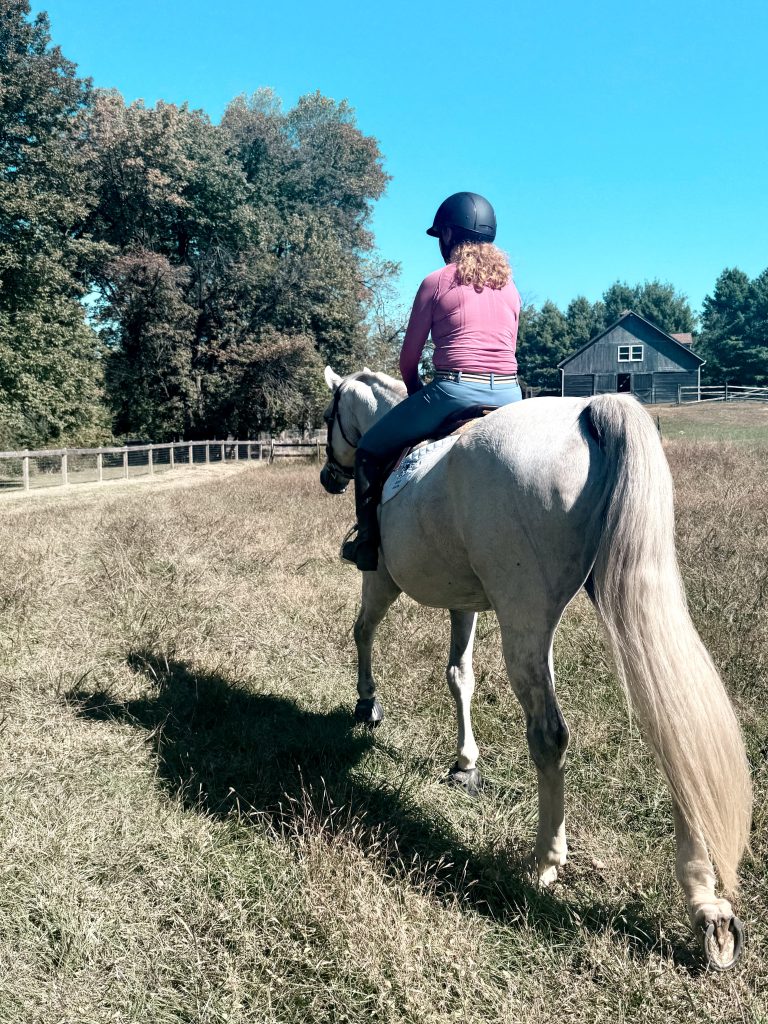
My oldest daughter is riding at home again now. We’re still picking up the pieces — rebuilding confidence and finding our rhythm. She had so much — a job, extra rides, lessons, moments of kindness — that made walking away painful. But the cost of staying was too high.
In the weeks that followed, talking to others who had been through similar situations helped me see I wasn’t to blame. The gossip, manipulation, and the uneasy feeling that the horses sometimes paid the price were, sadly, not unique.
The hard truth is, the horse world can be wonderful. It’s full of professionals who love deeply, work hard, and give everything to their animals. But there are pockets of the industry that reward results and money over character or care for the horses.
There’s no certification required to become a riding instructor, no governing body that approves or checks up on any self-professed trainer. USEF and SafeSport exist, but their reach is limited. Without oversight, who keeps unsuspecting riders and horses from situations that aren’t safe or healthy?
I wish I had listened to my gut sooner. But I’ve learned something important: this isn’t just about one trainer or one family.
Parents, riders, and professionals alike need to pay attention, ask hard questions, and trust their instincts. The horse world — as magical as it can be — has a dark side we can’t ignore.
Believe me, I know it’s not easy. I was scared to share our story. It’s extraordinarily uncomfortable to put out there. But if I want my kids to keep riding and showing, my role is to make the industry better for them. To push for change.
And change starts with speaking up. With putting the well-being of the rider and horse before any “opportunity” that costs too much. That’s how we protect ourselves, our kids, each other — and how we hold the industry accountable.
Because no ribbon is worth compromising your values.
The views and experiences shared in this essay are solely my own as a parent and horsewoman.
Jamie Sindell is a passionate equestrian blogger. She has an MFA in Creative Writing from the University of Arizona and a BS in Animal Science from Cornell University. She has ridden and owned hunters on and off throughout her life. She is a mom of five kids who range from ages 4-15. She and her family reside at Wish List Farm, where her horse-crazy girls play with their ponies. Her son and husband play with the tractor. You can follow her on Instagram @wishlistfarm.