
Brought to you by The Plaidcast
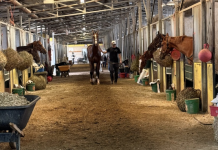
For decades, Wills Park Equestrian Center, located in the heart of Alpharetta, Georgia, has been a launchpad for riders. Generations of riders have started, restarted, or rediscovered their love of showing there, guided by the steady hands of Cheryl Sims.
At a time when the national conversation often focuses on cost, access, and burnout, Wills Park is proving that local circuits still play the most critical role of all: keeping people in the sport.
A Place to Start and Stay
Ask anyone in the Southeast horse world, and they’ll tell you: if you grew up riding in Georgia, you probably showed at Wills Park.
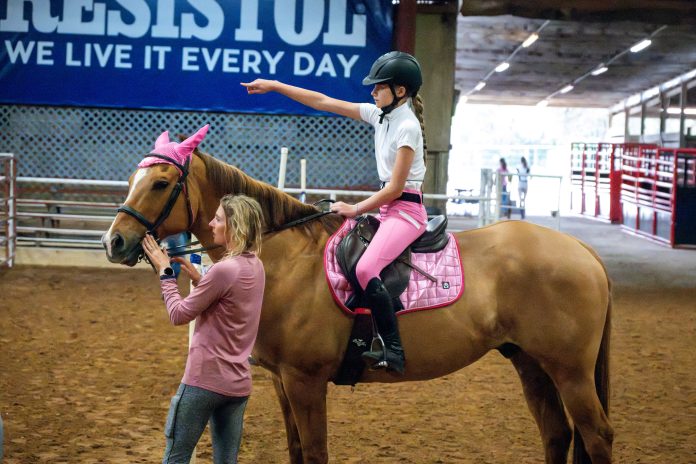
“This is where kids learn the ropes,” Cheryl said. “They learn how to braid, how to be ready on time, how to ride a full course. It’s where you really learn to horse show.”
That philosophy extends beyond junior riders. Many adults return to Wills Park after college or a break from the sport because the atmosphere feels approachable. “We’ve got a lot of adults who come back with their own kids now,” she said. “They trust it here. They know we’ll take care of them.”
Building Confidence, Not Pressure
At Wills Park, competition and compassion coexist. Cheryl works intentionally to create an environment that challenges riders without intimidating them.
“Everybody has to start somewhere,” Cheryl said. “Our job is to make sure they can come here, make mistakes, and learn.”
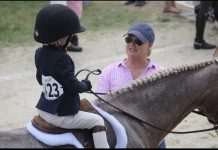
Courses are designed to be educational rather than punishing. Schedules allow for breaks so riders can reset between classes. And the management team is always ready to lend a hand when something goes sideways, whether that’s helping a nervous short-stirrup rider at the in-gate or finding a missing crop before a flat class.
“We try to make sure everyone leaves with a smile. It’s supposed to be fun. If you’re not having fun, you won’t stay in it.”
That mindset is what keeps barns coming back year after year. Local trainers know they can bring green horses, young riders, or adults moving up without the stress of big-circuit expectations.
Affordability That Fuels Development
Wills Park’s affordability helps make showing accessible and enables long-term progress. “If you can afford to show more, you can learn more,” Cheryl explained. “That’s what local circuits give people: the miles.”
Those miles translate into stronger riders, better-trained horses, and a healthier pipeline into the rated levels of the sport. “It’s not about fancy ribbons,” she added. “It’s about consistency. The kids who show here all season are ready for whatever comes next.”
By keeping entry fees and stall prices modest, Cheryl has created a space where riders can show often enough to build skills instead of picking a single expensive weekend and hoping for the best.
“You learn by doing,” Cheryl said. “We make sure people can keep doing it.”
A Training Ground for Life Skills
The lessons learned at Wills Park go beyond the show ring. Riders are expected to help their trainers, clean tack, and lend a hand. “We still believe in kids learning to do for themselves,” Cheryl said. “That’s part of horsemanship.”
Those expectations cultivate the kind of humility that sustains the sport. responsibility, teamwork. “If a pony dumps a kid in the schooling ring, everyone helps,” she said. “That’s what the community does.”
The Local Circuit’s Ripple Effect
The impact of Wills Park’s local circuit isn’t limited to Georgia. They see former exhibitors competing across the country, many now professionals, trainers, or parents themselves.
“We’ve got people showing at Devon, indoors, Wellington—you name it—who started right here,” Cheryl said. “They come back and say, ‘This is where I learned how to do it right.’ That makes it all worth it.”
That sense of continuity is exactly what the sport needs to preserve. “If you don’t have a place for beginners, you won’t have advanced riders later,” she said simply. “That’s what local shows are for.”
Keeping the Future Bright
As Wills Park looks to the future, Cheryl’s goals remain steady: keep the shows affordable, educational, and welcoming. “If we can keep one more kid from quitting or one more family from giving up, then we’re doing our job,” Cheryl said.
It’s a simple formula of kindness, consistency, and community that our sport can’t afford to lose.
Want more insight from Cheryl Sims and Kelly Berry? Listen to Plaidcast In Person at Wills Park Equestrian Center and subscribe on your favorite podcast platform for more conversations with the people shaping equestrian sport from the ground up.