Although it is kind of unconventional, horse-assisted therapy is very effective, especially for people who think of themselves as “lost causes.” This article will tell you why horses are good for therapy, who will benefit the most, and how to start with equine therapy for adhd, anxiety, trauma, stress, etc.
What Is Equine Therapy?
Equine therapy is an umbrella term for therapeutic practices that involve horses to support well-being. Unlike a common myth, horse therapy is also exceptionally good for mental well-being. We will discuss the benefits of equine therapy in the section below.
Equine therapy includes a range of structured approaches based on a request. Some involve riding combined with an ADHD test or other mental health interventions, and others focus solely on interacting with the horse from the ground. Here are the main types of equine therapy for mental health:
- Equine-Assisted Psychotherapy (EAP). A licensed mental health professional guides sessions where you interact with the horse (feeding, grooming, leading). You don’t ride.
- Therapeutic Riding. Riding lessons taught by certified instructors help build confidence, balance, motor skills, and cognitive functioning.
- Therapeutic Horsemanship focuses on learning horsemanship skills, caring for horses, saddling, understanding body language.
Is Equine Therapy for You?
Equine therapy can be life-changing for many people, but it isn’t a universal fit, and understanding who benefits most is the key to choosing the right approach.
Mental Health Conditions That Horses Aim the Best
- ADHD (equine therapy for ADHD is actually one of the most common uses of horses in therapy)
- Autistic Spectrum Disorder (ASD)
- PTSD or complex trauma
- Different types of anxiety (GAD, separation, social anxiety, etc.)
- Specific fobias
- Low self-worth and self-esteem
- Panic Disorders
- Depression
Who Benefits the Most from Equine Therapy
Studies show that working with horses can reduce anxiety, improve concentration, and build a sense of connection, making it a strong option for:
- Those who struggle with brain fog and concentration
- People living with anxiety, depression, or chronic stress
- Trauma survivors, including those healing from childhood trauma
- Autistic individuals who benefit from sensory-rich but structured environments
- People who find traditional talk therapy overwhelming or unhelpful
- Anyone seeking a movement-based therapeutic method
- “Problematic” children and teens
Who Should Be Cautious about Horse Therapy
Equine therapy may not be suitable for:
- Individuals with severe allergies to horses or hay
- Those who fear large animals (unless they’re seeking gradual exposure therapy)
- People with certain mobility limitations, if riding is required (non-riding alternatives exist, though)
- Anyone in an unstable mental state, where unpredictable environments could be unsafe
Why Are Horses Good for Therapy? 6 Reasons
- Stress Relief
Horse therapy reduces stress due to a few reasons:
- It’s a physical activity, and physical activity is known for its calming, relaxing long-term outcomes.
- The steady and rhythmic movement usually responds to calming frequencies that soothe the nervous system.
- Horses are naturally calming animals.
- Horseback riding is usually a social activity. So, a sense of belonging to a community with similar interests also gives a sense of satisfaction.
- Effective Treatment for Mental Health Conditions
Equine therapy has been shown to reduce symptoms of anxiety, depression, PTSD, and ADHD. A study by Ohtani et al, published in Frontiers in Public Health, experimented with a four-week horse riding program for 10-12-year-old kids.
The study showed that after completing the program, these children showed significantly reduced levels of depression and anxiety. Children who had ADHD improved focus and were less hyperactive.
- Better Concentration
Horseback riding requires focus on multiple tasks at once: maintaining posture, coordinating movement, responding to the horse’s cues, observing the environment, etc. This “multichannel engagement” trains the brain’s executive functions — attention, working memory, and task-switching.
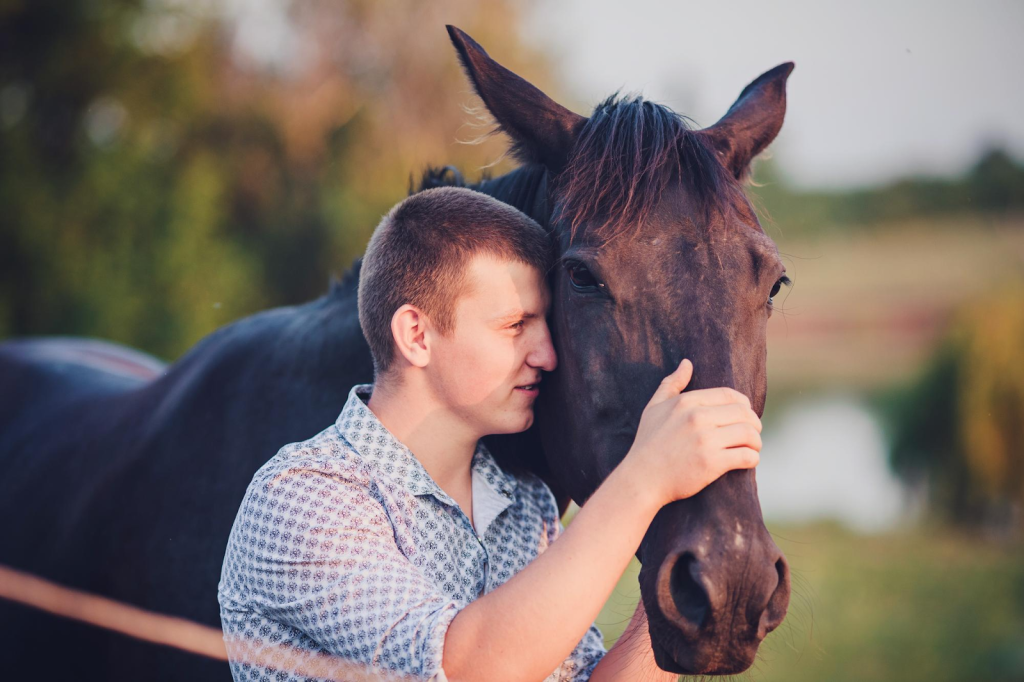
- Emotional Bonding with an Animal
According to the World Health Organization (WHO), approximately one in six people experiences loneliness. Meanwhile, it’s so hard to build meaningful connections with other people, equine therapy allows for building bonds with animals.
Horses, muscular and intimidating animals, are actually very soft. They are capable of building strong, intuitive bonds with the humans who care for them. This helps individuals:
- Practice vulnerability
- Learn nonverbal communication
- Experience mutual trust
- Heal relational wounds
- Improved Confidence
Working with a large and powerful animal can feel intimidating at first. But as individuals learn to ride, lead, and connect with a horse, their confidence naturally grows.
- Self-Fulfillment
One good reason why horses are amazing for therapy is that they provide a deep sense of purpose. You have so many skills to master, to-dos, but also something less palpable, such as building a bond with an animal. Each session offers accomplishment.
For those seeking regional programs, Utah horse therapy options such as adaptive riding programs can offer structured, therapeutic experiences that support emotional regulation, confidence, and overall mental well-being.