
By NINA THORNTON
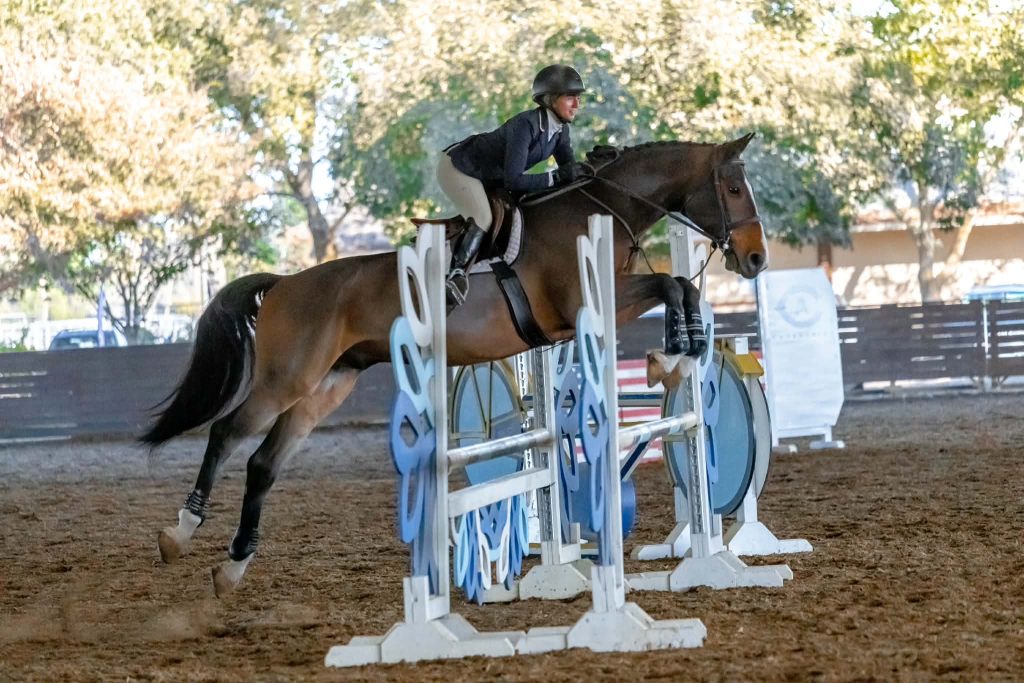
On Friday, Jan. 9, members of UC Davis’s NCEA Division I equestrian team were blindsided when the university removed their team as a Division I varsity sport and replaced it with STUNT, a new emerging sport based on cheerleading.
Division I equestrian teams compete under the National Collegiate Equestrian Association in a format that requires athletes to ride unfamiliar horses and compete in a head-to-head format while contributing to a team score. Unlike IHSA, Division I equestrian teams receive institutional support in the form of athletic scholarships, allowing riders from a wide range of economic backgrounds to continue competing at the highest collegiate level while pursuing higher education. For many athletes, Division I equestrian represents one of the only viable pathways to sustain elite competition through college and provides a critical foundation for those who pursue it as a professional career.
UC Davis removing the equestrian team’s varsity recognition means the loss of scholarships, institutional support, elite competition, and a collegiate career many team members spent more than a decade working toward.
This was not a struggling team. UC Davis Equestrian is nationally ranked No. 7, has won two conference championships, and has produced multiple All-Americans. These are typically markers of a program that is stable, competitive, and worth protecting, yet UC Davis has slated it for elimination.
@ninathornton3 Losing UC Davis as a D1 equestrian team is a senseless loss for our sport as a whole and limits access at the collegiate level and beyond for so many women #equestrian #ncea #division1 ♬ original sound – Nina Thornton
A Decision That Conflicts with Performance, Funding, and Identity
At face value, the removal of UC Davis’s Division I NCEA equestrian team is difficult to reconcile with its explosive success and with UC Davis’s institutional identity.
UC Davis is internationally recognized for its equine veterinary program, its leadership in animal science, and its deep roots in agriculture and working-animal disciplines. Few universities are as closely associated with equine education, research, and veterinary medicine, making it one of the most horse-centric academic institutions in the country.
Against that backdrop, the decision to eliminate a successful, nationally ranked Division I equestrian program, while replacing it with a new emerging sport has sent shockwaves through the sport and the equine industry.
By multiple accounts, the equestrian team had secured sufficient funding and had significant financial backing from parents and donors, enough to potentially operate for up to two additional academic years, with fundraising efforts as recent as last month. Despite this, the team was still dropped.
What This Means for the Next Generation of Our Sport
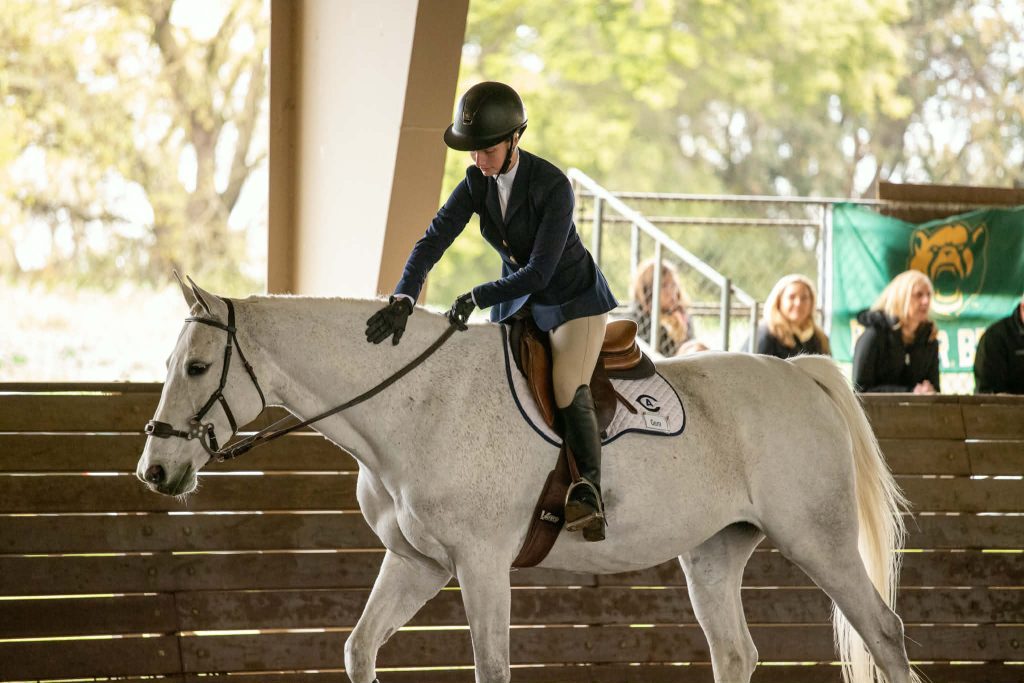
Decisions like UC Davis’ matter far beyond a roster or season; they shape the future of the sport for generations to come.
If a well-funded, competitive Division I equestrian program can be removed without warning at an institution like UC Davis, it raises urgent questions about the stability of collegiate equestrian nationwide. It also narrows an already limited pathway for hopeful equestrians who hope to one day ride on a Division I team. With UC Davis’s decision, there is now one fewer Division I equestrian opportunity in the country, and just one remaining Division I equestrian program on the West Coast, at California State University, Fresno.
For a sport that continues to grow in participation, visibility, and competitive depth, the dismantling of collegiate opportunities sends the wrong message.
The health of equestrian sport is not reflected only in full showgrounds or growing livestream audiences. It is reflected in whether opportunity grows alongside participation. If we believe our sport is strong, vibrant, and worthy of investment, then our collegiate pathways must reflect that belief.
Protecting and expanding Division I equestrian means aligning collegiate opportunity and competition with the reality of a sport that is growing, competitive, and invested in developing athletes for the long term.
The loss of UC Davis’ program should not be accepted as inevitable. It should be recognized as a call to protect the NCEA teams that remain, to advocate for those at risk, and to fight for a future that keeps the door open for the next generation of riders.
What Does Supporting the Future of Collegiate Sport Look Like?
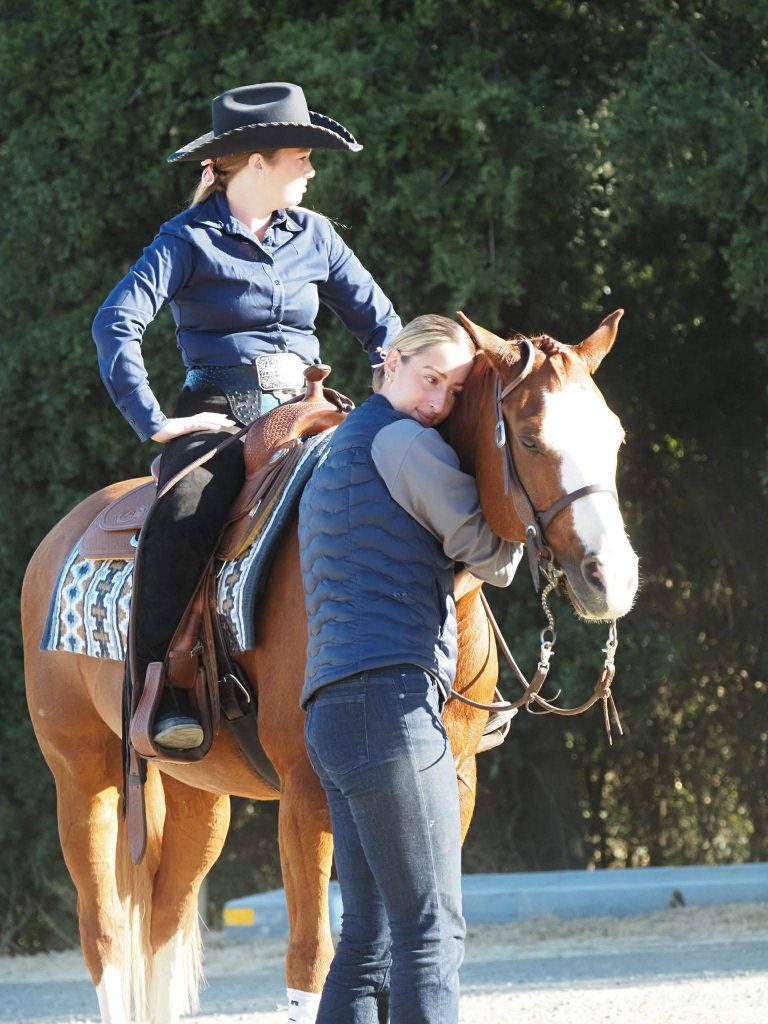
For hopeful equestrians who aspire to one day ride on an NCEA team, this means showing interest early, long before recruiting years. Find your nearest NCEA equestrian team, and if you can, show up to their meets with your barnmates. Inquire with other NCAA universities with club equestrian teams about the possibility of starting an NCEA team. Help connect them with NCEA representatives who can help explain the process and provide resources.
For equestrians like myself, who were lucky enough to be on a top NCEA team in college, advocacy means sharing our experience, highlighting the value of collegiate equestrian, and making the sport visible to a wider audience. We owe it to these teams and to our sport to drive awareness, expand participation and inspire the next generation of riders. Now is the time to speak up.
For more information about how to support the UC Davis Equestrian team, visit keepdavisriding.com.
About the Author
Nina Thornton was on Baylor’s NCEA Division I equestrian team from 2012-2016 and is now a professional rider and Barn Manager at Sorella Farm. She regularly shares industry commentary on her TikTok @ninathornton3.















