
Sports team uniform changes often provoke reactions that go far beyond sports fashion. Fans can feel excited, disappointed, or even emotional when a team announces a uniform update. These reactions highlight how deeply sports teams are embedded in people’s lives. For many fans, sports team uniforms are not just clothing; they represent memory, identity, loyalty, and a sense of belonging.
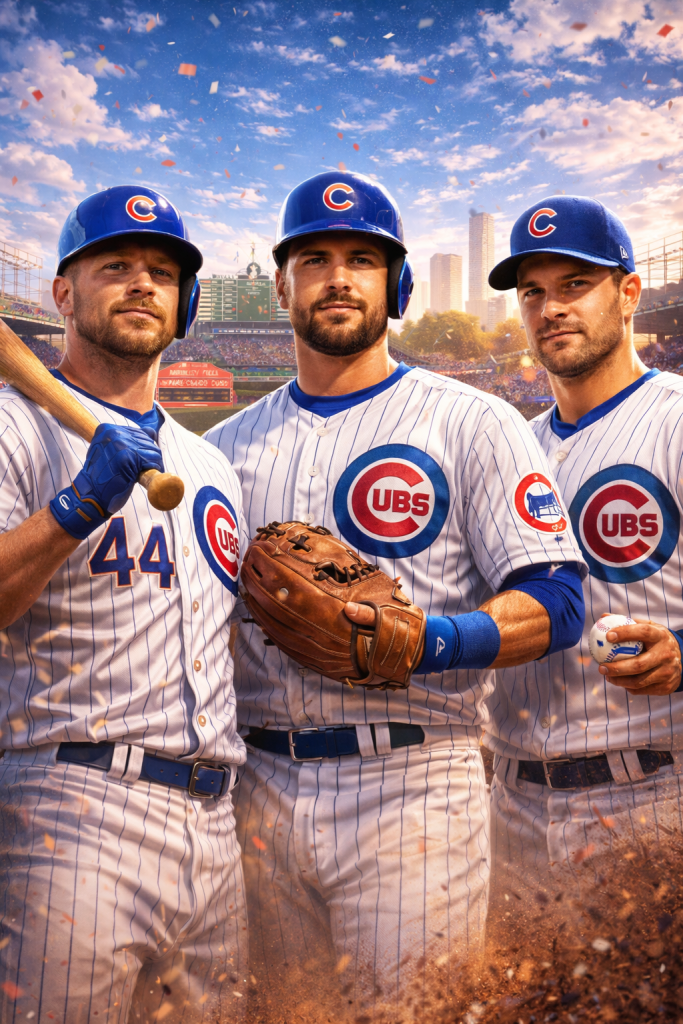
These emotional connections often span generations. Longtime supporters of teams like the Chicago Cubs, for example, feel a deep attachment to traditional uniforms that have remained consistent for decades. Even small changes in color, logo placement, or typography can feel overwhelming. This article explores why sports team uniform changes often feel personal and why fans react so strongly to them.
Uniforms as Emotional Anchors
Uniforms serve as emotional anchors for fans. Beyond their functional role, jerseys carry memories of historic matches, championship victories, and meaningful personal moments. A single jersey can instantly remind fans of where they were during a major win or who they watched the game with.
Because of this emotional weight, uniforms become symbols tied to personal experiences. When a uniform changes, it can feel like a disruption to those memories rather than a simple design update.
Jerseys as Memory Carriers
Fans often associate jerseys with specific eras or moments in a team’s history. A classic jersey might recall a legendary player, a dramatic playoff run, or a season full of ups and downs. These jerseys act as tangible memory carriers that preserve emotion over time.
For many fans, jerseys also mark stages in their own lives, such as childhood, family traditions, or friendships formed around the game. This makes even subtle modifications feel significant.
Personal Identity and Fan Association
Wearing a team jersey is a powerful expression of identity. It signals loyalty, passion, and belonging to a broader community. This tradition is frequently passed down from parents to children, reinforcing emotional bonds across generations.
The jersey represents more than a team; it represents shared values and pride. Fans feel ownership over the uniform, which is why changes can feel personal and emotionally charged.
Tradition vs. Modernization
Sports uniforms exist between tradition and modernization. Fans often want teams to honor their heritage while still evolving. How teams handle this balance can directly impact fan trust and loyalty.
Why Traditional Designs Encourage Trust
Traditional designs create familiarity and reassurance. Teams with consistent visual identities often inspire trust because fans associate those designs with stability and respect for history. Familiar uniforms remind fans that the team values its past and maintains continuity.
The Disadvantages of Trend-Driven Designs
Trend-driven designs carry risk. Drastic or frequent changes can alienate loyal supporters who value tradition. Jerseys focused solely on trends may feel disconnected from the team’s history, making it harder for fans to form emotional attachments.
Different Sports, Different Reactions
Fan reactions to uniform changes vary across sports. Some sports allow frequent experimentation, while others emphasize tradition, which shapes how fans respond.
How Basketball Uniform Changes Are Perceived
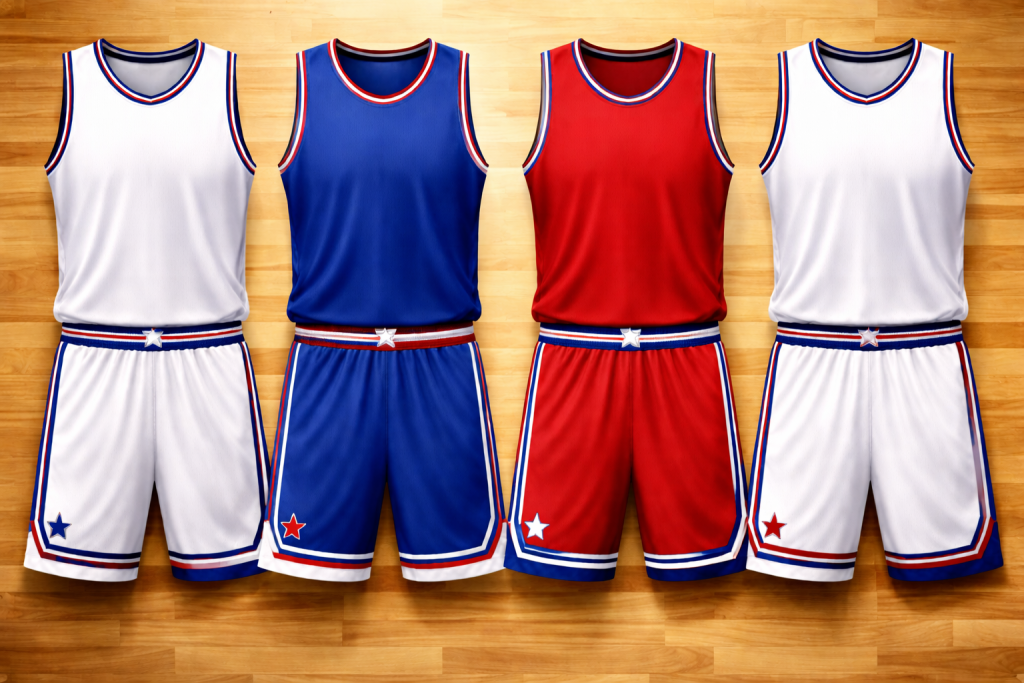
In basketball, there is a common practice of launching alternate or modernized versions of team uniforms, and fans are quick to respond to these changes.
Basketball team uniforms are regularly updated to incorporate new trends or marketing campaigns, and fans respond immediately and emotionally.
Tradition-Heavy Sports Require Extended Uniform Change Periods
Sports rooted in tradition typically introduce uniform changes slowly. Subtle updates help fans adjust emotionally while preserving the team’s identity. Sudden or extreme changes often result in disappointment, making gradual evolution more effective.
The Impact of Media and Social Interactions
Social media platforms amplify reactions to uniform changes. Fans can instantly share opinions, creating widespread discussions that intensify emotional responses. Even when sports betting in Canada, sports fans highlight unifroms as a guide.
Instant Reactions in the Digital Age
Uniform announcements now receive immediate feedback. Positive and negative reactions spread rapidly, making small design changes feel monumental. Viral posts and comments often shape public perception within hours.
Community Debate and Shared Emotion
Online discussions allow fans to share memories, express loyalty, and debate nostalgia. These conversations highlight how uniforms represent shared experiences rather than just apparel.
When Change Eventually Becomes Accepted
Over time, fans often accept new uniforms as teams create new memories while wearing them. Important matches and full seasons help fans emotionally connect with updated designs.
Acceptance does not erase the past; instead, it adds new chapters to a team’s history. Thoughtful change can strengthen the bond between fans and teams.
Conclusion
Uniform changes are never just about design. They reflect history, identity, and emotional connection. Whether fans resist or embrace change, their reactions show how deeply uniforms are woven into sports culture. When managed carefully, uniform evolution can honor tradition while creating new memories for future generations.















