
Brought to you by The Plaidcast
Walk down the schooling ring at any major horse show and you’ll hear the language of results. Clear rounds. Tricolor photos. Qualifying points. Rankings. Finals. In a sport built around judges, ribbons, and scores, it’s easy to believe excellence is something you can hang on a stall door.
But what if it isn’t?
On a recent episode of The Plaidcast, author and performance coach Brad Stulberg joined Tonya Johnston and challenged a common assumption about success. Excellence, he argues, is not primarily a result. It’s a feeling.
You Don’t Think It’s Excellent — You Feel It
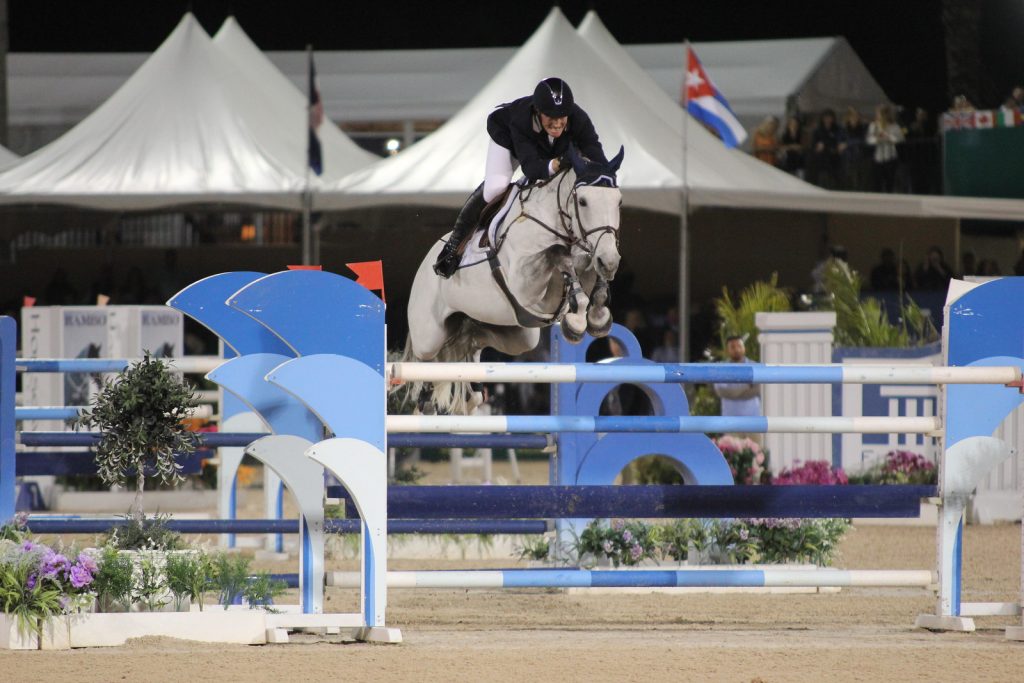
When Stulberg describes excellence, he starts with resonance. “If you are watching just a phenomenal horse and rider just do their thing,” he explains, “you don’t think that it’s excellent… you feel it deep in your heart and in your bones.”
The same is true whether you’re watching Steph Curry shoot, standing in front of a Rothko painting, or witnessing a master chef at work. The technical components are there, but what moves you is the coherence and skill. The sense that everything is exactly as it should be.
The horse industry understands this instinctively. Hunters, in particular, are judged on feel as much as form. Equitation prizes polish and harmony. Even in show jumping, where rails and time are objective, the rounds that stay with us are the ones where horse and rider seem fully connected, riding as one organism rather than two separate beings negotiating fences.
Sport as Art
Stulberg suggests that the most powerful moments in sport are the ones where sport becomes art. There is “really no separation between the two,” he says.
Riders know this feeling well. It’s the round where the distances appear without force. The warm-up where your horse’s back feels loose and elastic beneath you. The moment mid-course when time slows just enough for you to breathe and trust.
These moments rarely come from obsessing over outcome. In fact, chasing a result often makes them less likely. The more tightly a rider tries to force a particular performance, I just want to repeat that exact round, the more tension creeps in.
Excellence Requires Intimacy
Stulberg defines excellence as “involved engagement or caring deeply in something worthwhile that aligns with your values and goals.” That phrase, caring deeply, should give riders pause.
You cannot fake caring. You cannot outsource it. And you cannot achieve it halfway.
Riding is built on intimacy. With your horse. With your training. With your own physical and emotional state. A horse is not a machine. It responds to energy, to timing, to subtle shifts in balance and breath. To ride well is to be present.
This kind of engagement is increasingly rare in a world of fractured attention. It asks riders to be fully there—mentally and physically—with the animal beneath them. To notice the small adjustments. To respond rather than react. To treat the round not as something to survive, but as something to experience. Excellence emerges from that depth of involvement.
The Mountain Shapes You
One of the most compelling ideas Stulberg introduces is that in any meaningful pursuit, the mountain shapes you as you climb it.
You may think you’re training your horse. But the horse is training you.
It’s teaching you patience on the flat. Teaching you emotional regulation when a distance doesn’t appear. Teaching you calm authority when nerves spike in the schooling ring. Teaching you to recover quickly when things don’t go to plan. Those qualities extend beyond the arena. Riders who commit to the process of excellence often find themselves growing not just as athletes, but as people.
That growth does not happen overnight. “There’s no such thing as an overnight breakthrough,” Stulberg says. “Patience is one of the greatest competitive advantages there is.”
Beyond the Ribbon
None of this suggests that winning doesn’t matter. Competitors should want to win. They should step into the ring ready to own their seat and showcase their preparation. But Stulberg draws a critical distinction: the best way to become the best is to stop obsessing over always being the best and instead focus on “being the best at getting better.”
That shift transforms the horse show from a verdict into feedback. It reframes competition as an opportunity to rise together. It turns mistakes into data rather than identity. And it restores something that can get lost in high-pressure environments: joy.
Because the feeling of excellence cannot be handed to you with a ribbon. It comes from caring deeply, showing up fully, and aligning your effort with your values.
In the end, the rounds we remember most are rarely the ones defined by numbers alone. They’re the ones where horse and rider moved as one. Where preparation met presence. Where the pursuit felt meaningful.
That is excellence.
Want more insight from Brad Stulberg? Listen to episode 471 of The Plaidcast and subscribe on your favorite podcast platform for conversations with the most influential voices in the equestrian world.

















