Brought to you by The Plaidcast
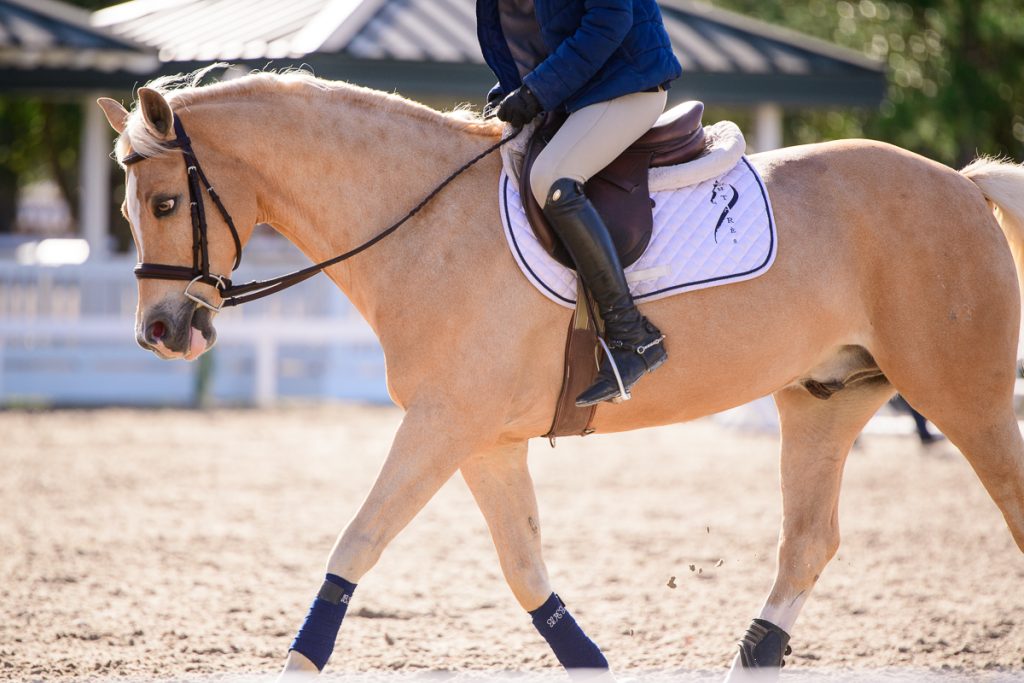
For many riders, ponies are associated with the early years like short stirrup, leadline classes, and the beginning stages of learning to ride. But in today’s hunter ring, that perception is starting to shift.
More adult amateurs are starting to choose ponies—not as a novelty, but as a practical, strategic decision in equine partner. And in many cases, it’s changing how they experience the sport.
An Unexpected Solution
For some riders, the transition to ponies doesn’t come from a long-term plan. It comes from a need to adapt.
Jane Ehrhart, who runs River Hill Farm, a private training facility based in Wellington, Florida, has seen this firsthand through her work with adult riders. Her customers have had major wins at USEF Pony Finals, Wellington International, all of the indoor national finals, as well as the Devon Horse Show.
In her own program, the shift began as a response to a specific situation. After a significant injury, her mother, Joan, was faced with the question of whether she could continue riding.
The answer was yes, but it required rethinking what that would look like. And that led to ponies.
What started as a practical solution has since become a consistent part of the program. “Closer to the ground is the name of the game,” Ehrhart says .
Rethinking What Ponies Offer
One of the biggest misconceptions about ponies is that they are only appropriate for young riders or beginners. In reality, many top ponies are trained to the same standards as horses.
“They ride like miniature horses,” Ehrhart explains, noting that the best pony programs produce mounts that are adjustable, well-schooled, and capable of performing at a high level . That training translates across riders. For adult amateurs, it means riding a mount that is responsive, consistent, and familiar in feel—just in a smaller package.
And for many, that can make the ride feel more manageable.
A Practical Advantage
A smaller mount can feel more manageable for some riders, particularly those looking for a more controlled ride. At the same time, ponies still offer a competitive experience. The divisions remain structured, the judging remains consistent, and the expectations for quality riding are still there.
“It’s still real courses, real competition, real judges,” Ehrhart says of the divisions her riders compete in. In other words, choosing ponies just means approaching the sport differently.
As more adult amateurs begin to ride ponies, trainers and owners are starting to see more interest in this option. “I get a lot of phone calls… people kind of feeling it out,” Ehrhart notes when discussing interest in ponies for adult riders .
In many junior programs, ponies move frequently as they’re leased from rider to rider, changing barns, routines, and expectations each year. It’s part of the system. With adult amateurs, that pattern can change.
Ponies may stay in one program longer, develop consistency in their routine, and form more stable partnerships with their riders. Over time, that consistency can allow their personalities to come through in new ways.
As Ehrhart describes, ponies that might have been reserved or purely “businesslike” in a high-turnover environment can begin to settle into a different rhythm when they are in a more consistent program. It’s a different kind of job and often, a different kind of experience.
Letting Go of the Stigma
For some riders, the biggest barrier to making the switch is psychological. Ponies have long been associated with a specific stage of riding. Moving to ponies later in a riding career can feel like stepping outside that expectation.
Ehrhart acknowledges that for some riders, that shift can be difficult at first—a “tough pill to swallow” but that perception is starting to change. As more riders make the transition, and as the benefits become more visible, the stigma is fading.
The rise of adult amateurs riding ponies reflects a broader trend toward riders making more individualized choices. Riders are making decisions based on what works for them. That might not always look traditional. But it reflects a more flexible approach to the sport.
Want more insight from Jane Ehrhart? Listen to episode 476 of The Plaidcast and subscribe on your favorite podcast platform for conversations with the most influential voices in the equestrian world.