BY TINA SILVA
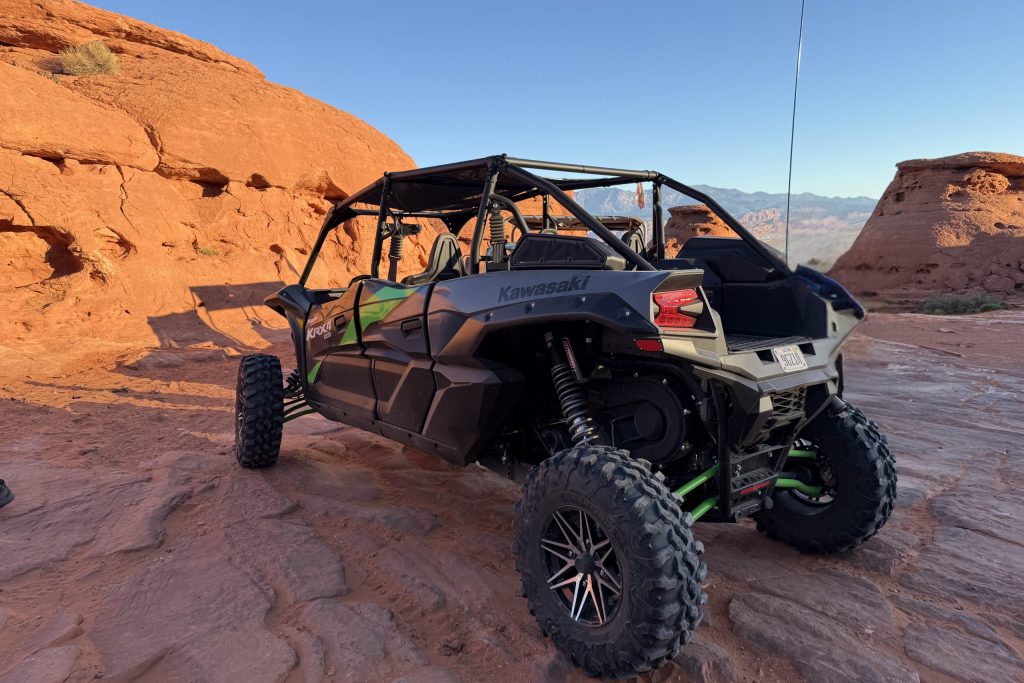
Last month, I found myself flying across sand dunes in Southern Utah — not on a horse, but in an off-road side-by-side vehicle. I was there to teach a CPR/AED and First Aid class for drivers at an adventure tour company, and afterward they took me out for a ride. We climbed rocky terrain, crested dunes, and at one point rode along the edge of a cliff. And the entire time, I felt completely fine.
That surprised me. I’m someone who tends to worry. But our driver was certified, their protocols were solid, and because of that foundation, I could actually enjoy the ride. Fear gave way to freedom. Hesitation gave way to joy.
That feeling is exactly what safety can do for equestrians.
If you’ve ever walked a jumper course with your trainer, you already understand safety planning better than you might think. You identify distances, anticipate challenges, and develop a strategy before you ever leave the ground. Approach barn safety the same way — assess your environment, identify the gaps, build a plan — and everything becomes more manageable.
That plan should cover several areas. Rider habits come first: wearing an ASTM/SEI-certified helmet every time you’re mounted, considering a protective vest, and always riding with awareness. Knowing how to fall or execute an emergency dismount is equally important — it builds confidence in the saddle and can reduce injury when the unexpected happens.
CPR, AED, and First Aid training are non-negotiables. In a barn emergency, the minutes before a veterinarian or paramedic arrives matter enormously. Basic horse first aid knowledge — recognizing early signs of colic, lameness, or injury, and knowing how to wrap a leg and monitor vital signs — can be the difference between a minor issue and a serious one.
Finally, barn and facility safety matters more than most people realize. Clear aisles, secure fencing, proper fire prevention, and a written emergency plan are the unglamorous details that protect every horse and person on the property.
None of this takes the fun out of riding. It does the opposite. When you’ve done the groundwork, you stop riding in “what if” mode and start riding in the present — focused, confident, and connected to the reason you fell in love with horses in the first place.
Safety doesn’t limit the joy. It’s what makes more of it possible.
About the Author
Tina Silva is the founder of Equestrian Safety Group and Executive Director of Devil Dog Ranch. A former Lieutenant in the fire service, she brings real-world emergency response expertise to equestrian safety education. With a background spanning multiple disciplines, farm management, and coaching vaulters and riders, Tina’s mission is to make the equestrian world safer for horses and riders at every level.