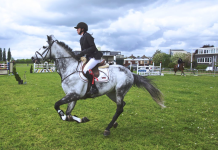

Horse riding schools, equestrian centers, and boarding stables are increasingly adopting RFID proximity card systems to improve attendance tracking, horse management, and facility security. Traditional paper sign-in sheets and manual logs can create confusion, missed riding sessions, and incomplete animal care records. RFID technology offers a more efficient and reliable solution by automating rider check-ins and integrating attendance records with stable operations.
Modern RFID systems use proximity cards that communicate wirelessly with readers placed at entry gates, tack rooms, riding arenas, and feeding stations. Riders, trainers, and staff members simply tap or present their cards to register attendance and gain authorized access to designated areas. The same system can also help track horse activity schedules, maintenance routines, and veterinary care histories.
Professional equestrian facilities often combine RFID access credentials with customized photo identification cards. Durable ID badges help staff quickly identify riders, trainers, volunteers, and stable workers while supporting automated attendance and access control systems. Many riding schools issue personalized badges containing rider photos, membership details, emergency contacts, and RFID chips embedded directly into the card.
RFID attendance tracking provides significant operational benefits for horse riding programs. Riding instructors can instantly verify who attended lessons, how long sessions lasted, and which horses were assigned to specific riders. This data improves scheduling accuracy and helps ensure that horses are not overworked. By maintaining accurate riding histories, stable managers can balance workloads across multiple horses and better monitor animal wellbeing.
Horse welfare is a major concern for any equestrian operation. RFID systems can support better management of maintenance schedules, riding rotations, and rest periods for horses. Every horse requires carefully planned downtime to avoid excessive strain, fatigue, or injury. When RFID tracking is integrated with scheduling software, managers can automatically monitor riding frequency and ensure animals receive appropriate recovery time between sessions.
For example, if a horse participates in multiple beginner lessons during the day, the system can flag the need for additional rest before assigning the horse to another rider. Automated records help reduce human error and create more consistent animal care practices. Facilities with large numbers of horses especially benefit from centralized tracking systems that simplify scheduling decisions.
RFID technology also improves stable maintenance operations. Staff members can use RFID-enabled cards to log feeding times, stall cleaning, equipment inspections, and grooming schedules. This creates a digital maintenance history that helps stable managers identify incomplete tasks or recurring operational issues. When maintenance responsibilities are clearly documented, equestrian centers can maintain higher standards of cleanliness and organization.
Veterinary checkups and medical records can also be integrated into RFID-based management systems. Horses often require vaccinations, dental exams, hoof care, medication schedules, and regular wellness evaluations. RFID tracking allows staff to quickly access animal histories and confirm when veterinary services were last completed. Automated reminders help prevent missed appointments and ensure compliance with health requirements for competitions, boarding agreements, and insurance policies.
In addition to improving operations, RFID systems enhance security throughout riding facilities. Unauthorized access to barns, equipment rooms, and restricted riding areas can create safety risks for both riders and animals. RFID proximity cards allow administrators to control who may enter certain locations and during which hours. Access privileges can be updated immediately if a card is lost or a staff member leaves the organization.
Many equestrian centers choose durable proximity credentials such as HID ISOProx II cards because they combine photo identification with RFID access control in a single card. Prox id cards are commonly used in facilities that require dependable daily scanning performance and long-term durability. HID ISOProx II cards feature a printable surface for custom photos and branding while supporting secure proximity-based authentication.
RFID systems are also valuable during horse competitions, camps, and seasonal riding events. Event organizers can streamline rider registration, verify participant access, and monitor attendance in real time. Instead of manually processing paperwork, staff can instantly confirm rider credentials using RFID readers positioned throughout the venue. This reduces wait times and improves the overall participant experience.
The data generated by RFID attendance systems can provide useful business insights for riding schools and boarding operations. Managers can analyze lesson participation, peak riding times, horse utilization rates, and staffing efficiency. Historical attendance records may also help facilities optimize lesson schedules, allocate instructor resources more effectively, and identify opportunities for business growth.
Durability is another important consideration in equestrian environments. Riding facilities expose equipment to dust, moisture, mud, sunlight, and frequent handling. RFID proximity cards designed for commercial access control applications are built to withstand heavy daily use. Composite PVC construction and protective overlays help extend badge lifespan in demanding stable conditions.
Research into RFID attendance management systems has consistently shown that RFID technology improves efficiency, scalability, and record accuracy across industries, including animal monitoring and sports operations. For horse riding centers, these advantages translate into better attendance tracking, improved horse welfare management, stronger facility security, and more organized daily operations.
As equestrian businesses continue modernizing their operations, RFID proximity card systems are becoming an increasingly practical solution for managing riders, staff, and horses within a single connected platform. By combining attendance tracking with maintenance logging, riding schedules, rest management, and veterinary oversight, riding facilities can improve both operational efficiency and animal care standards simultaneously.