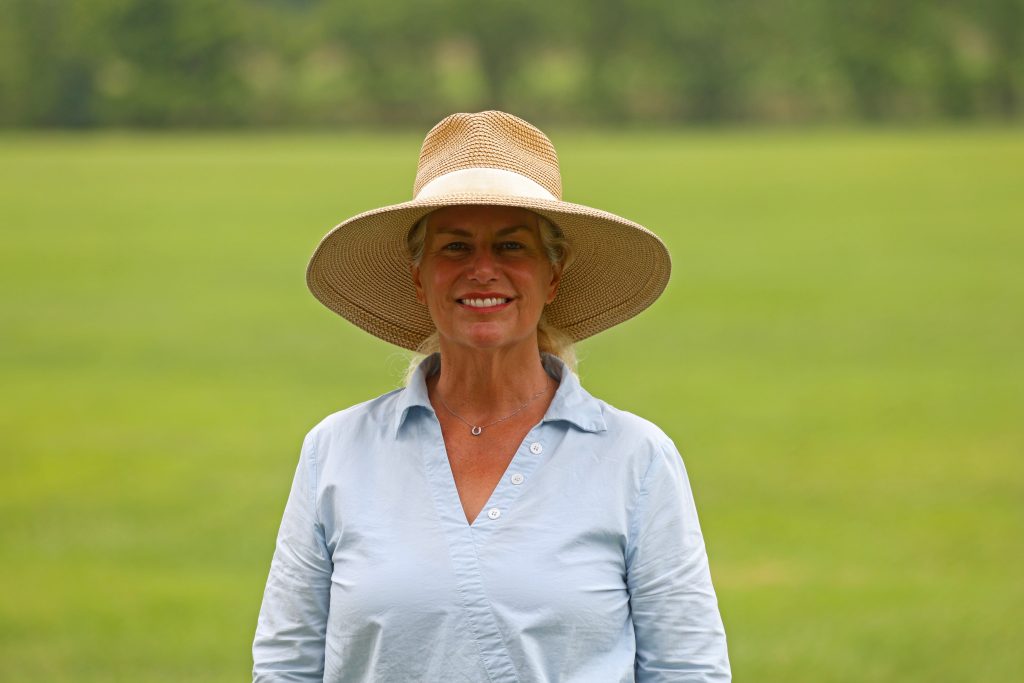
For Missy Jo Hollingsworth, developing young horses has never been just part of the job – it has been a lifelong passion. For nearly 30 years, Hollingsworth has cultivated her business, Saddle Lake Equestrian, into a nationally recognized hunter, jumper and equitation training program, specializing in ponies and young horses. Long before becoming one of the industry’s most respected horsewomen, she was learning the importance of patience, consistency, and education while working with young horses on her family’s farm. “I’ve been around it my entire life,” Hollingsworth shared. “When I was in seventh or eighth grade, a local trainer asked my dad if I would tame a baby before it was weaned and shipped home. My job was to teach it to lead, pick up its feet, and be comfortable being handled. Looking back, it made me realize how important those first steps really are.”
That early introduction laid the foundation for a career dedicated to bringing along young horses and ponies – a philosophy that now extends to her support of the USHJA Young Pony Championships at the Virginia Horse Center. Now in her second year as the title sponsor of the championships, Hollingsworth’s decision was driven by one simple goal: ensuring an important program continues to thrive. “When there was a need, it was a super easy choice,” she said. “I didn’t want to see this fall to the wayside in any way. I wanted to help keep it front and center.”
Hollingsworth believes the championships serve an invaluable role by connecting two communities that don’t always intersect: breeders and show professionals. “It’s a wonderful way to bridge the breeding community to the show community because, in many cases, they’re two very different groups of people,” she explained. “It helps breeders understand the pathway their horses take after they leave the farm, and it helps the people showing these horses appreciate what a true young horse looks like.”
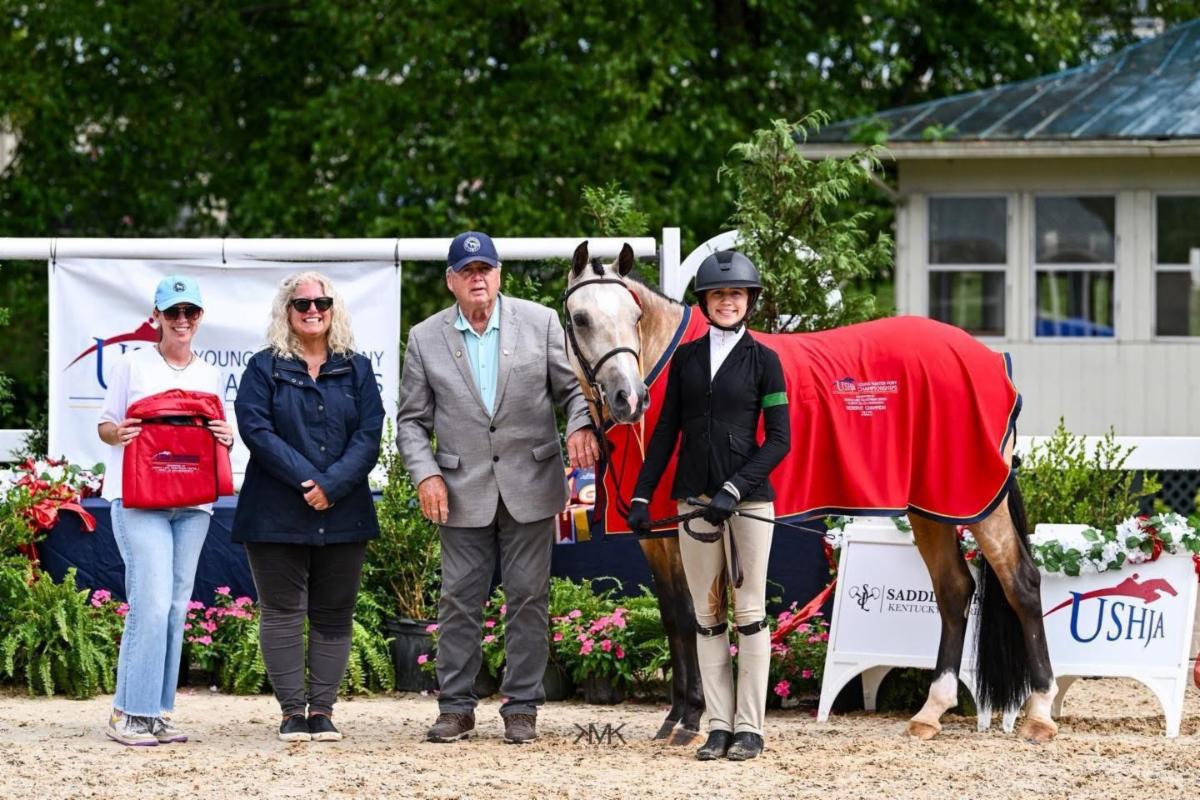
Unlike seasoned show horses, young horses are still learning. Mistakes are both expected and celebrated as part of the educational process. “They’re going to make errors,” Hollingsworth said. “This event benefits both groups educationally, and it benefits the horses exponentially.” That need has become increasingly evident as participation continues to grow. Hollingsworth pointed to last year’s tremendous response to the Young Hunter Pony Championship as proof that the industry is eager for opportunities that showcase developing horses before they reach the highest levels of competition.
Looking ahead, she’d love to see the program continue expanding, particularly by creating more opportunities for young jumper ponies. “I think it’s a wonderful opportunity for the young hunter ponies,” she said. “I’m looking forward to the day when we can also benefit the young jumper ponies.” While the ponies are the stars of the week, Hollingsworth is quick to point out another group that often goes unnoticed: the junior exhibitors. “A gigantic piece of this that doesn’t really get any press is the child development that’s happening at the Young Pony Championships,” she said.
Working with young ponies requires patience, adaptability, and horsemanship that can’t always be learned aboard a finished show pony. Riders learn to navigate playful moments, unexpected mistakes, and the everyday realities of training an inexperienced animal. “Young ponies are like little children, they’re unpredictable,” Hollingsworth explained. “The kids involved in this program are learning how to train one and bring one along.”
Those lessons often extend far beyond the show ring. Hollingsworth has watched many riders who participated in the program go on to successful junior careers, NCAA equestrian teams, and professional roles within the industry. She recalls Chris Wynne, who was a judge at last year’s championships, commenting on how impressed he was with the juniors’ maturity and feel for young ponies. “He was genuinely surprised by how patient the juniors were riding through little mistakes and playful moments,” Hollingsworth said. “They made it such a positive experience for the ponies.”
The event also provides another significant advantage: many of the young ponies are ridden by appropriately sized junior riders, creating a better experience for both horse and rider during these critical developmental years. Hollingsworth also recognizes the importance of those who helped build the foundation for young horse development. She credits the Wheeler family and the Sallie B. Wheeler Young Horse Program as instrumental in creating opportunities that have shaped today’s championships. “Their influence on this industry is what started the beginning of all of this,” Hollingsworth said. “Without them, the Young Pony Championships would not exist.”
Hosting the championships at the Virginia Horse Center has also proven to be an ideal fit. Hollingsworth praised the facility’s central East Coast location, thoughtful layout, and quiet atmosphere. These are qualities that make it especially welcoming for inexperienced horses taking their first steps into competition. “It’s a wonderful facility,” she said. “The barns are close to the arenas, there’s very little blacktop, and it’s a nice stepping stone for young horses that haven’t been exposed to a busy horse show environment.” She also applauded the Virginia Horse Center staff for their commitment to making the event successful. “They’ve really done a fantastic job,” she said.
As the Young Pony Championships continue to grow, Hollingsworth hopes the event remains focused on what matters most: developing confident horses, knowledgeable riders, and a stronger future for the sport. “It’s wonderful all around,” she said. “It benefits everyone involved, but most importantly, it benefits the horses.”
The Virginia Horse Center is proud to host the Virginia Young Horse Festival featuring the The Sallie B. Wheeler Hunter Breeding Championship and the USHJA Young Hunter Pony National Championship, August 21-23, 2026. For more information visit The Virginia Young Horse Festival – Virginia Horse Center.