Brought to you by The Plaidcast
For many families entering the horse world, competition can seem to come with an enormous prerequisite: first, find a horse. Whether buying or leasing, it can turn showing into a major financial and logistical commitment before a young rider or their family even knows whether competition is something they want to pursue.
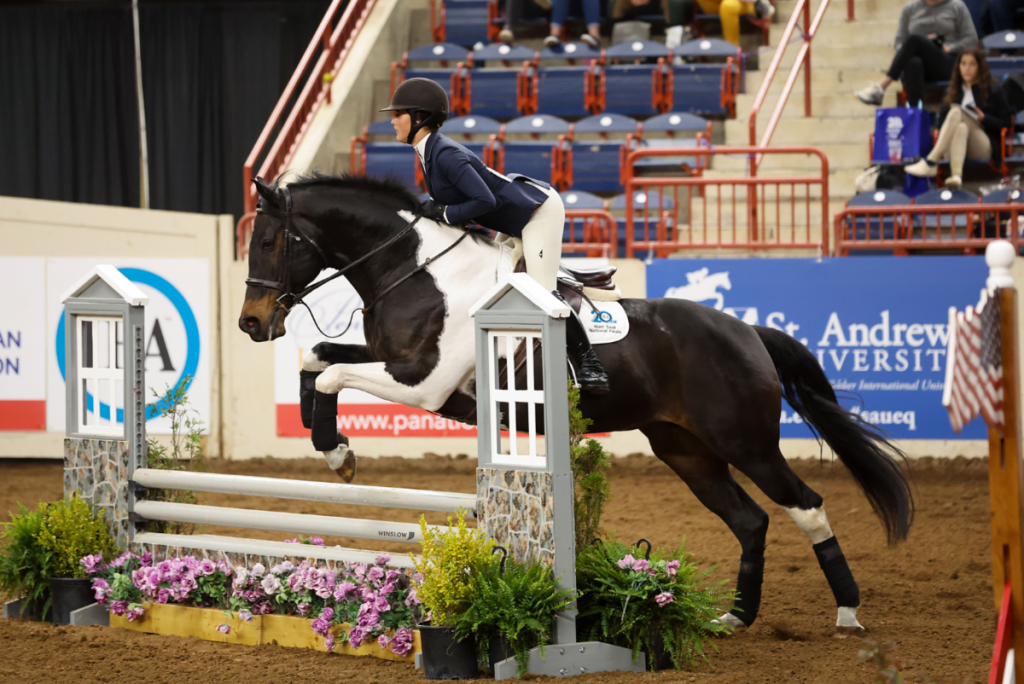
Roxane Durant, co-founder and executive director of the Interscholastic Equestrian Association, sees another way in. IEA’s draw-based format means riders do not bring their own horses to the competition. They arrive, draw the horse they will ride, and compete on the horse provided.
“You don’t have to own or lease a horse,” Durant said.
That detail is fundamental to what IEA is trying to accomplish: create an entry point into our industry that allows riders to participate before horse ownership becomes part of the equation.
You Should Be Able to Try the Sport First
Durant is practical about the idea of requiring ownership as the first step into competition.
“If you tell a parent that the only way to get in the sport is you gotta start by going and buying a horse, well, most of us would already know that’s a bad plan,” she said.
A family new to horses may not yet understand what ownership involves. The rider may love lessons but have no idea whether they enjoy competing. Parents may not know what level of commitment their child ultimately wants.
IEA gives them a chance to find out. Durant describes it as an opportunity for riders and families to “get their feet wet.”
They can learn what it feels like to compete, move through levels, accumulate points, and potentially qualify for postseason events without beginning with the expense and responsibility of buying or leasing a competition horse. If they discover they love it, they can go further.
The Horse Isn’t What Levels the Playing Field
The draw format also changes what determines success. At a traditional show, the horse a rider brings matters enormously. In IEA, riders are drawing from the same pool of available horses. Durant says that puts more emphasis on equitation and horsemanship rather than “who brings the nicest, fanciest horse.”
A competitor may draw a more difficult horse and ride it especially well. Another may draw an easier horse but not produce as strong a performance. The judge can reward what the rider actually accomplishes with the horse they were given. That makes the format accessible without removing the challenge. The need to own or lease a competition horse has been removed from the equation, but the requirement to ride effectively has not.
An Entry Point, Not an Endpoint
Durant does not describe IEA as an alternative universe separate from the rest of the horse industry. Quite the opposite. “One of our main goals as an organization is to feed the industry,” she said.
A rider may begin there because their family is not ready or able to own a horse. Through the program, they become more involved in competition, develop riding skills, learn about different horses, and build connections within the industry.
From there, they may move into other competition formats, pursue collegiate riding, or become more involved in other areas of the horse world. The goal is to give them somewhere realistic to start.
That pathway can extend into education as well. Durant says IEA has increasingly gained recognition from schools partly because administrators see students gaining college opportunities through riding. In some cases, riders are accepted into colleges or receive scholarships they may not otherwise have received.
Schools that may not be able or willing to directly fund an equestrian program can still recognize those students as athletes. Durant mentions riders being acknowledged at sports banquets, in school newspapers, or at school assemblies after successful competition weekends.
That recognition matters because it helps place riding within the same larger youth-development framework as other sports. The rider may not own a horse, but they are still training, competing, representing a team, and working toward opportunities after high school.
The Model Has Expanded
IEA began with hunt seat and eventually expanded into Western and dressage, creating more ways for riders to participate. It has also expanded its age range over time, including younger riders down to fourth grade and, more recently, adults through an adult program.
The underlying idea remains similar: give more people a way to participate without requiring them to arrive with their own competition horse. For some, that may mean trying a discipline they otherwise would never experience. A hunter rider does not have to go buy a Western horse to discover whether Western riding interests them. The format creates an opportunity to step into something new without making a major investment first.
Lowering the First Barrier
Horses will never be an inexpensive activity. Lessons, training, equipment, travel, and competition still require resources. But IEA removes one particularly large barrier: the requirement to own or lease the horse underneath you in order to compete.
For a young rider who loves horses but does not have a horse of their own, that can change what seems possible. They can join a team. They can compete. They can qualify for championships. They can find out whether competition and deeper involvement in the sport are something they want to pursue. Then, if they want to take another step, they do so with more experience and a much better understanding of the environment.
To hear the full conversation with Roxane Durant and Piper Klemm, listen to episode 486 of The Plaidcast. Subscribe and follow The Plaidcast on your favorite podcast platform for more conversations from throughout our industry.