Brought to you by The Plaidcast
Beet pulp has been around horse barns for generations. For many riders, it brings to mind a bucket soaking in the tack room, something their trainer or barn manager fed because that was simply what people did.
Now, according to equine nutritionist Dr. Clair Thunes, beet pulp seems to be having something of a revival.
That resurgence also brings plenty of questions. Here are some of the most common beet pulp myths and what Thunes says horse owners should actually know.
Myth: Beet Pulp Is a Grain
Despite the way it may be served in a feed bucket, beet pulp is not a grain.
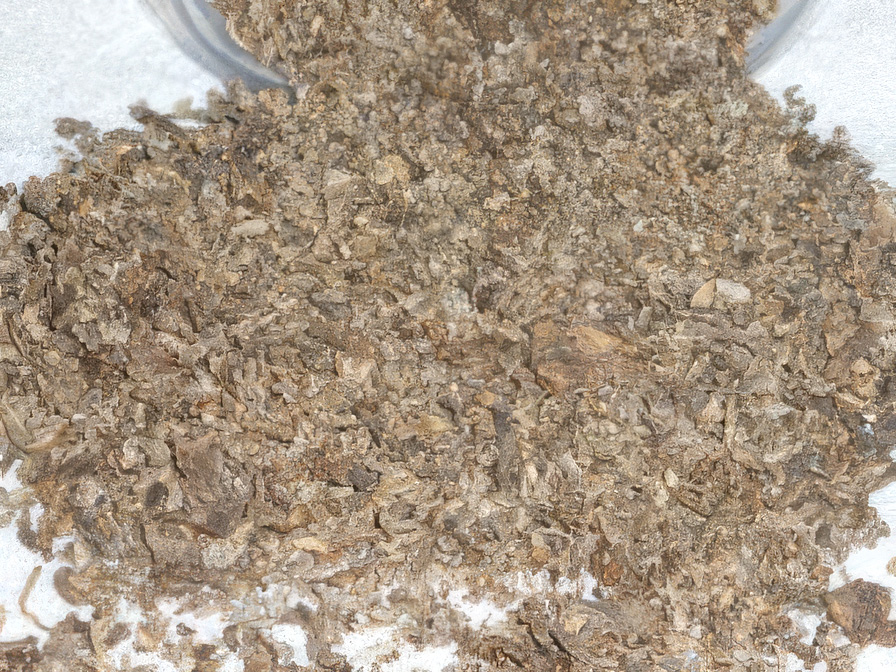
It is the fibrous material left behind after sugar is extracted from sugar beets. The beets are processed to remove the sugar for human use, leaving the fiber that can then be incorporated into animal feed.
“It is a forage because it’s a source of readily fermentable carbohydrate,” she said.
That fiber is fermented in the horse’s hindgut, including the cecum and colon, where the microbial population breaks it down. For that reason, beet pulp provides energy differently than a traditional cereal grain.
Myth: Because It’s a Byproduct, It’s Basically Filler
The word “byproduct” can sound unappealing. Thunes says some horse owners hear it and assume an ingredient must be waste, junk, or filler. But in nutrition, the word simply means that ingredient was not the primary reason the original crop was produced.
Sugar beets are grown primarily for their sugar. Once the sugar has been extracted, beet pulp remains. Thunes compares that process to wheat bran. Wheat is primarily grown to make flour, but other useful parts of the grain remain after processing.
“Beet pulp is, you know, what’s left over after we extract the sugar,” Thunes said. “But it doesn’t make it a bad ingredient.” In fact, she considers it a valuable component of equine diets.
Myth: Beet Pulp Is Full of Sugar
The name “sugar beet” creates understandable confusion. Horse owners managing insulin resistance, metabolic syndrome, or laminitis risk may instinctively assume beet pulp is inappropriate because it comes from a crop grown for sugar.
But by the time the pulp reaches the horse, the sugar has already been removed during processing. “It’s actually low in starch and sugar,” Thunes said.
That can make plain beet pulp a useful option in some metabolic-horse diets.
There is an important caveat: some manufacturers add molasses to beet pulp to improve palatability or reduce dust and fines. That changes the nutritional picture. For a horse with metabolic concerns, Thunes recommends looking for beet pulp without added molasses and checking the ingredient list rather than assuming every bag is the same.
Myth: Beet Pulp Has to Be Soaked or It Will Cause Choke
Thunes personally recommends soaking beet pulp and says she would not feed beet pulp pellets dry. But the relationship between beet pulp and choke is more complicated than simply saying dry beet pulp causes it.
Choke can result from rapid eating, inadequate chewing, dental disease, insufficient water intake, or a horse eating while still affected by sedation. Veterinarians may see choke cases involving dry beet pulp, but horses can choke on many different feeds.
Thunes still sees soaking as good practice because it adds water to the diet and can make beet pulp easier to feed. Shreds generally soak relatively quickly, while hard pellets may require considerably more time.
There is also a practical downside: soaked beet pulp can ferment in warm weather. “If your beet pulp smells like wine, don’t feed it to your horse,” Thunes said. In very cold climates, soaking can present the opposite problem because the feed may freeze.
Myth: Beet Pulp Is Low-Calorie Because It’s Fiber
Fiber does not automatically mean low-calorie. Thunes explains that beet pulp can provide more calories per pound than many grass hays, even though it is fermented in the hindgut like forage. That can make it useful for performance horses that need additional calories, but it also matters when feeding an easy keeper or metabolic horse.
If large amounts of beet pulp are added to the diet without adjusting the rest of the ration, the horse may simply consume too many calories. Thunes says she still wants to preserve as much long-stem forage as possible, particularly for metabolic horses, rather than allowing beet pulp to crowd hay out of the diet unnecessarily.
Myth: Beet Pulp Is a Complete Feed
Beet pulp can provide useful fiber and calories, but by itself it does not supply everything a horse needs. Straight beet pulp is a single-ingredient feed and is not fortified with the full range of vitamins and minerals found in a properly formulated commercial ration.
If an owner wants to feed beet pulp on its own, another appropriate source of fortification still has to be included so the total diet remains balanced. That is one reason beet pulp appears in many commercial senior and performance feeds. Owners can receive some of its nutritional benefits within a ration that has already been formulated to meet the horse’s broader needs.
Reality: Beet Pulp Can Be a Very Useful Ingredient
Thunes’ final verdict is overwhelmingly positive. “I love beet pulp as a feed ingredient,” she said.
She points to its readily fermentable fiber, its ability to support microbial fermentation in the hindgut, and the production of butyrate, a volatile fatty acid important to the gut lining. It can provide calories, serve as a useful base for supplements, and fit into a range of feeding programs when used appropriately.
Beet pulp is not magical. It is not automatically right for every horse, and it still needs to fit into a balanced overall diet. But many of the reasons horse owners hesitate to use it come from misunderstandings about what beet pulp actually is.
To hear the full conversation with Dr. Clair Thunes, listen to this episode of The Plaid Chat. Subscribe and follow The Plaidcast on your favorite podcast platform for more conversations from throughout our industry.