Brought to you by The Plaidcast
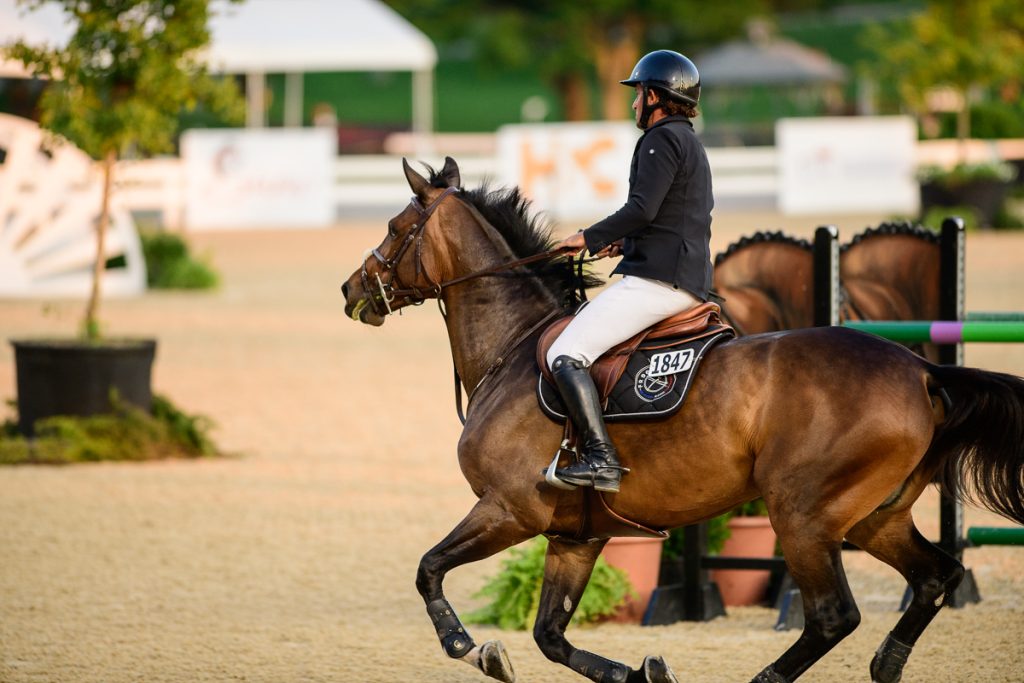
When people talk about horse shopping, the focus is usually on one question: Is this horse a match for the rider? According to show jumper and sport horse producer Sonja Ochadlik, a horse can suit the rider and still fail to fit the program surrounding that rider.
“I’ve had an experience it was a great type of horse, and it was actually a match for the rider, but it wasn’t so much a match for the trainer,” she said.
That changed the way she approaches placing horses. Now, when a trainer is involved, she considers whether the horse will suit that trainer and their program as well.
Buying a horse is not simply pairing two personalities. The horse is usually entering an entire system. Who will train it? How will it be ridden? What will its daily routine look like? How much turnout will it receive? How will it be managed? What sort of expectations will surround it?
Ochadlik says those questions should be considered from the beginning.
If a horse has been successful in one type of program, moving into a completely different system may require more adaptation than the buyer expects.
Ochadlik strongly encourages buyers to think about who is helping them through the purchase process. “Who is on your team in terms of helping you with this purchase process?” she asks.
For someone shopping abroad, she recommends working with an agent who is actually on the ground in that country and understands the local horse market. That person may know things about individual horses, trainers, programs, and sellers that a buyer trying to navigate the process alone would never see.
If the buyer normally works with a trainer, Ochadlik recommends involving that person too. The goal is to make sure that the horse being selected has a realistic chance of succeeding once the sale is complete.
Horse shopping becomes especially difficult because a talented horse can make a strong impression even when it is not the right match. A horse may jump beautifully and have the record, movement, scope, or experience the buyer wants. But that still does not answer whether the horse fits the system waiting for it at home.
Ochadlik talks about particular types of horses being better suited to American programs than others. A knowledgeable agent cannot predict everything. No one has a crystal ball. But experience with both systems can help identify which horses are more likely to be comfortable in the program they are entering. That can be especially important when buying for resale, where understanding which types of horses are likely to suit the American market becomes part of the decision.
The trainer-horse relationship becomes particularly important when the rider needs professional support to make the partnership work. If the horse needs additional training or adjustment, does the trainer’s program suit that type of horse? Does the trainer’s system make sense to the horse?
Those questions matter because the buyer may be relying on that trainer to help navigate the transition once the horse arrives. A horse that is manageable and understandable within one system may feel much harder in another. That is why the perfect horse on paper can become much less perfect once it enters a program that does not fit.
There is nothing wrong with falling in love with a horse during a trial. But before making the purchase, Ochadlik’s experience suggests asking: Will this horse fit the people and environment that will shape its everyday life?
To hear the full conversation with Sonja Ochadlik about setting realistic expectations when purchasing a horse, listen to this episode of The Plaid Chat. Subscribe and follow The Plaidcast on your favorite podcast platform for more conversations from throughout our industry.