Brought to you by The Plaidcast
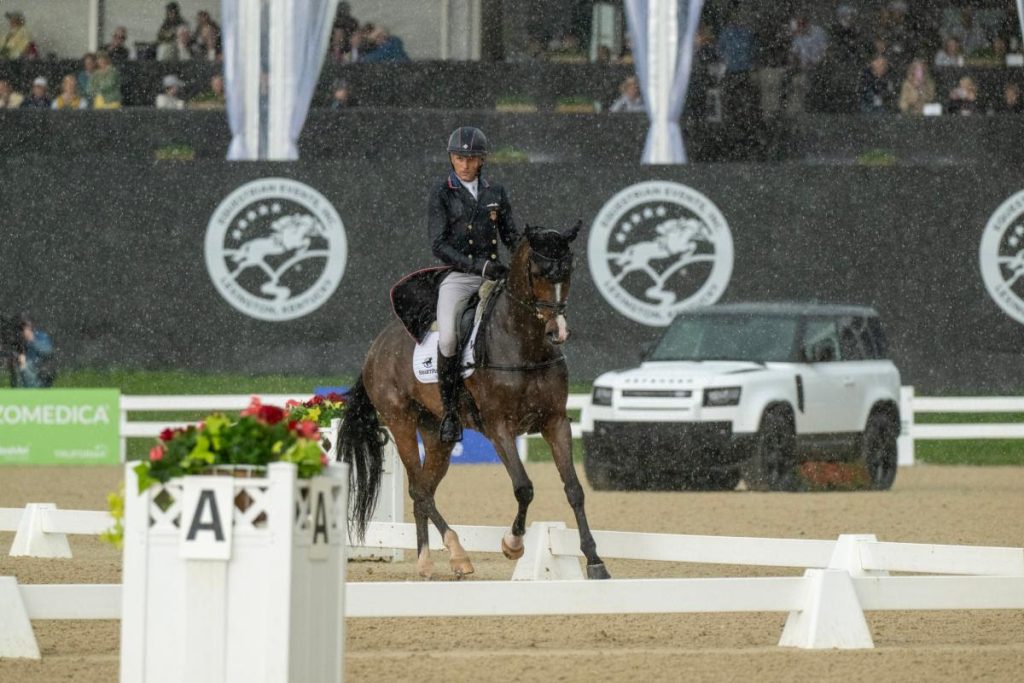
We all know one of the best parts of showing is looking at the pictures later. Sometimes a perfect picture is even more exciting than a blue ribbon. And photography Amy Dragoo understands what makes an image tell a story.
Dragoo has spent decades photographing equestrian sports, but her approach was shaped just as much by years working in traditional newspapers. Before equestrian photography became the core of her business, she covered everything from sports to crime for a daily newspaper in Pennsylvania. That background taught her to approach horse shows less like an event photographer and more like a photojournalist looking for the moment that explains what is happening.
“I think that gave me a feel for action which I apply in my shooting style,” Dragoo said. “Not coming up in equestrian media as my only experience, I shoot it much more like I shot the NFL.”
That means following the action rather than waiting only for the expected picture. “Go with the play,” she said. “Shoot first, ask questions later.”
That approach is helpful in a sport where the same basic action happens over and over. All the horses in a class jump the same fence. Dressage only has so many movements. At a horse trial, the photographer may spend all day covering hundreds of horse-and-rider combinations doing versions of the same thing.
The challenge is finding what makes one moment different. Dragoo considers the shape the horse is likely to make over a particular obstacle, the background, the reaction on landing, and whether the angle pulls the viewer into the scene.
Years spent around hunters and jumpers taught her that not every fence photographs equally well. An oxer may produce a better shape than a vertical. A visually interesting fence may look impressive standing alone but produce an awkward jumping effort. A position only a few inches away from the obvious one can sometimes create a much stronger image.
Sometimes that means choosing a less obvious moment. At a World Cup event in Texas, Dragoo was drawn to a wall decorated with a cow skull. It was visually distinctive, but she knew the location of the fence and the approach were unlikely to produce the most flattering traditional jumping picture. Rather than abandoning the obstacle, she changed how she thought about photographing it.
“It’s gonna be more of a landing shot than a, you know, over the top of the fence,” she said. The goal was to find the angle that made the unusual fence and the horse’s reaction part of the image.A technically correct image tells you what something looked like, but a strong storytelling image can tell you what the moment felt like.
Dragoo’s editorial work gives her more freedom to look beyond what a competitor might traditionally purchase. When she is photographing for riders, consistency matters. Clients understandably want clear, attractive photographs of themselves and their horses.
Editorial assignments allow another kind of creativity. She can look for the unexpected angle, the wider scene, or the image that communicates something about an event rather than only documenting a single horse.
“I like that,” Dragoo said. “It keeps me fresh.”
Dragoo encourages photographers to pay attention to the larger environment. Volunteers, spectators, children, dogs, reactions around the ring, and unexpected moments can all become part of the story. “If you see it, shoot it,” she said. “You never know what these things could end up being.”
Our industry produces thousands of beautiful images of horses jumping beautiful fences. The photographs that stay with people often do something more. They capture tension, humor, disappointment, celebration, concentration, chaos, or the relationship between horse and rider.
None of that necessarily requires more expensive equipment. Sometimes it requires moving a few inches. Sometimes it means turning away from the obvious subject. Sometimes it means continuing to shoot after the expected moment has passed. The difference between documenting a horse show and telling its story is knowing what else to look for.
To hear the full conversation with Amy Dragoo and Piper Klemm, listen to episode 491 of The Plaidcast. Subscribe and follow The Plaidcast on your favorite podcast platform for more conversations from throughout our industry.