
10 Questions with Merryburn Farm’s Owner and Trainer
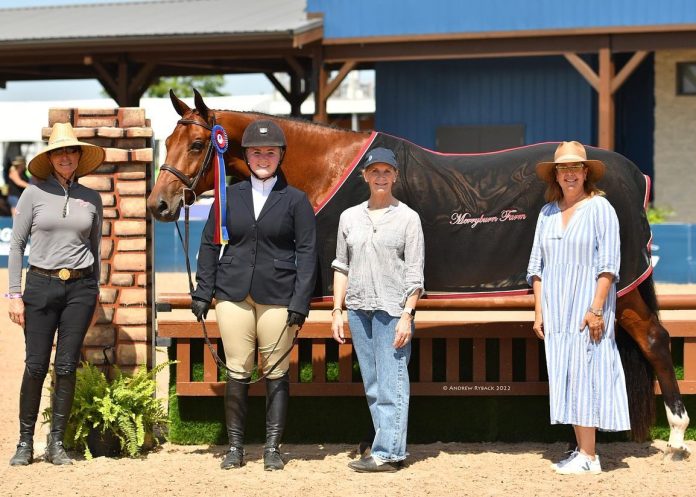
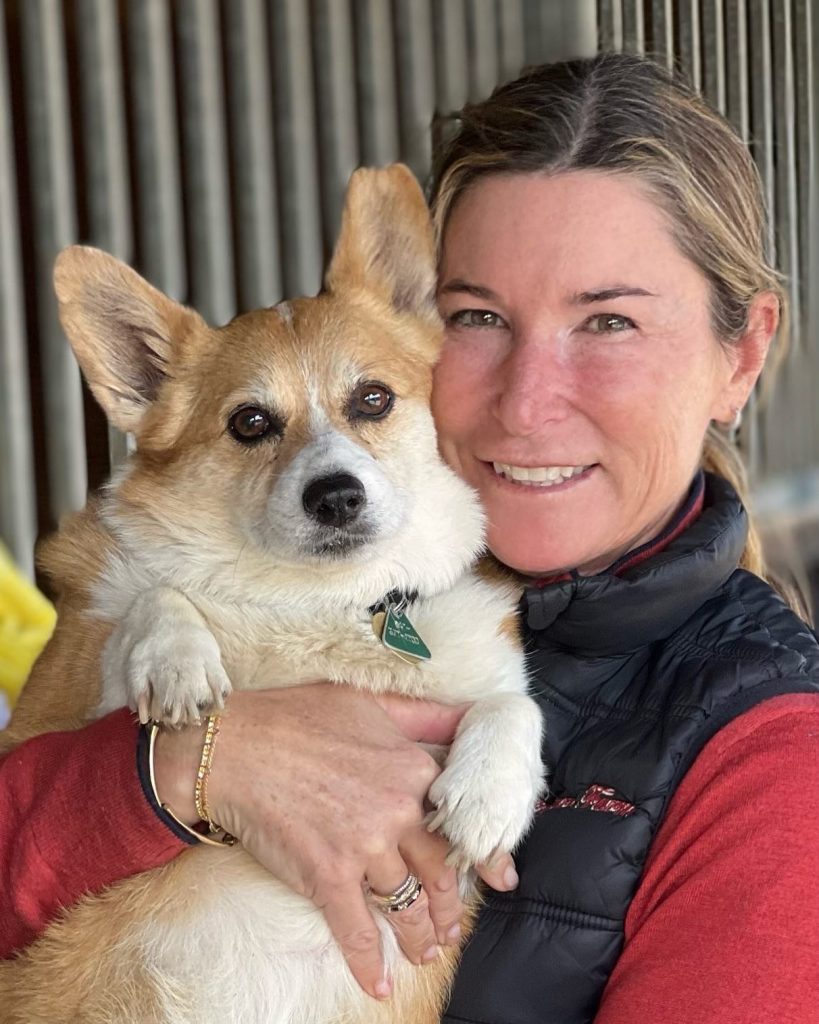
Caroline “Carl” Weeden’s name has become synonymous with success in the hunter and equitation rings as a top trainer who has worked with horses and riders at every level of competition. Her boutique program at Merryburn Farm is based in Zion, Illinois, right outside of Chicago. With a focus on always putting the horse first, Weeden has a passion for the sport and dedicates a great deal of her time to serving on different committees for U.S. Equestrian (USEF) and the United States Hunter Jumper Association (USHJA), supporting the growth and improvement of hunters, jumpers and equitation in the United States.
THE PLAID HORSE: Why do you feel Merryburn has been so successful over the years?
Weeden: When I started Merryburn, I made a conscious decision to keep my operation small. I wanted to focus on individualized care and training for each horse, which I believe is easier to achieve with a smaller business model. This approach has allowed me to prioritize the well-being and training of the horses, which has ultimately led to success. Over the years, I’ve produced numerous horses and riders, and I attribute much of this success to my focus on putting the horses first—I feel like I really know what’s going on with my horses in the barn.
What qualities do you look for in a top-quality hunter?
Talent is essential, the movement and the jump, but equally important is the horse’s temperament and willingness to perform its job—that’s a huge part of it. A trainable attitude and soundness are also crucial factors. The third piece is the ability to keep these horses sound and in good shape. You have to start with a horse that has good conformation and has good physical attributes that can stay sound and handle this sport.
Could you share your philosophy on balancing training at home versus competing at shows?
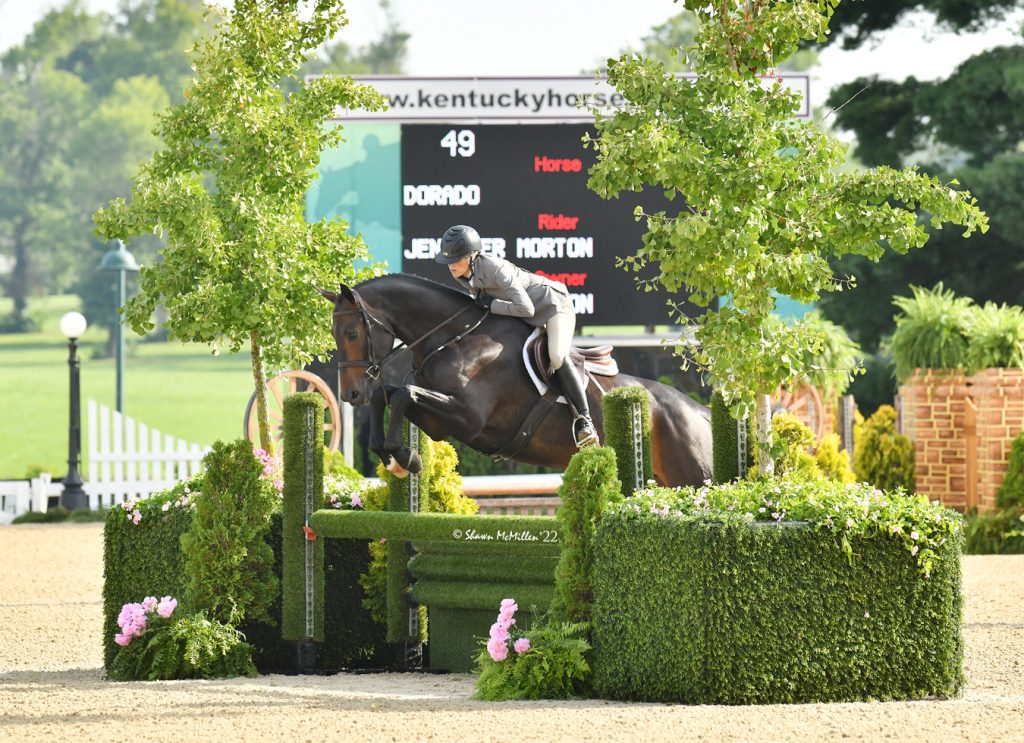
Competing at shows allows riders to showcase what they’ve learned, but it’s essential to strike a balance. When we’re at home, we’re learning, we’re training, we’re keeping our horses in good physical condition by doing a lot of exercises with them. Showing’s not easy on these horses, and I think to expect horses to stay at the top-level week after week puts way too much pressure on them. I think developing a show schedule for the horse and rider that gives them enough time in the ring to be competitive, but also enough time at home to learn and stay physically fit is very important.
What exercises do you find most beneficial when training at home?
I have cavallettis in my ring all the time, and I have a little log that stays in my ring. When I am flatting my horses, I work over little cavallettis and I encourage my riders when they get to a certain level to do the same thing. I feel you can do a lot of flat work and just getting those horses to leave the ground at the cavallettis will enhance their conditioning. I do a lot of cavalletti exercises, figure eight, poles on the ground to a vertical measured at certain strides, and then have the riders do different strides from the pole to the vertical to the pole. I think this can help the rider stay in condition and work their eye without stressing the horse too much. Obviously, there’s a time when you have to step up and do the jumps that they do in the ring so the rider feels comfortable when they see those jumps. We also try to keep a lot of different material in our ring so the horses are used to seeing all the different jumps that we now have in our classes today.
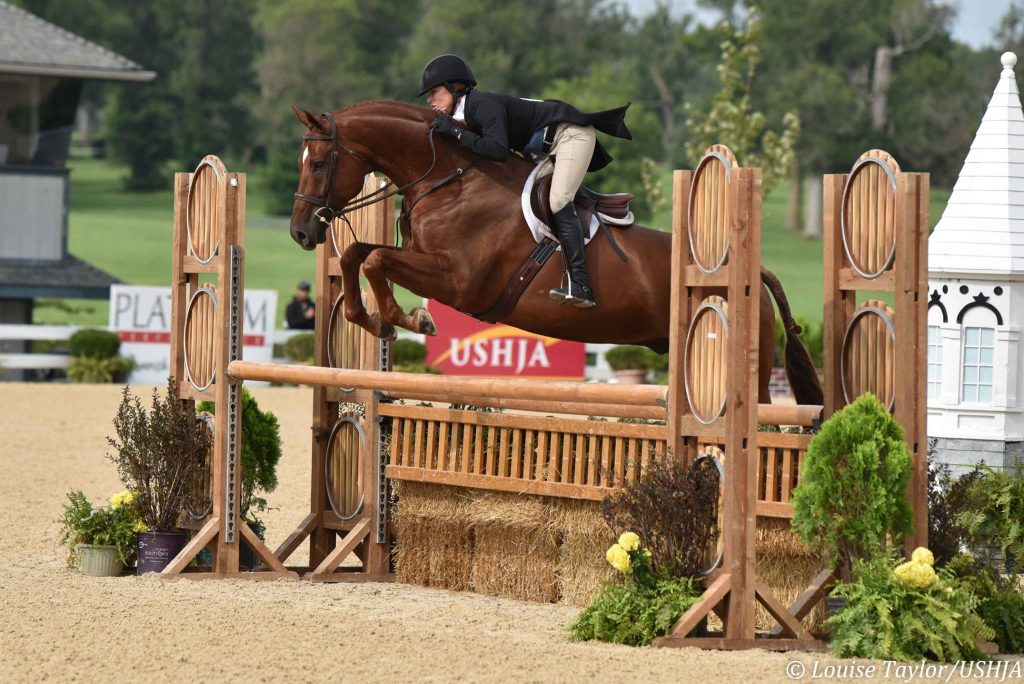
Why do you feel the equitation discipline is an important part of our sport?
Equitation is a great place for juniors to work through different exercises and develop their riding ability. It asks different questions than the hunter ring, but it also focuses on invisible riding, which I think is very important no matter what direction you’re going—to be able to ride a horse without interrupting them and interrupting the way they use their body. If you look at our history, a lot of those top equitation kids have gone on to become Olympians, so I think it is a part of the sport that’s very necessary.
What qualities do you think make a successful junior rider in today’s culture?
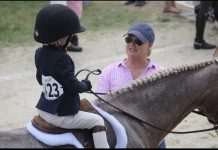
They need to have the time and dedication. It comes down to time in the saddle, and there’s also room for all different types of junior riders. You can be a top junior rider and one that might go on and do this business for a living, or you can develop your riding skills as a junior rider. I think some of these kids forget that riding is a lifelong sport and they may come back to it after they go to college. They feel that pressure of their last year and they feel like they have to get everything done in that year. This is a lifelong sport, so I’m hoping that these kids will start to realize that and not feel that that last junior year is the end, because it’s not the end—sometimes it’s just the beginning.
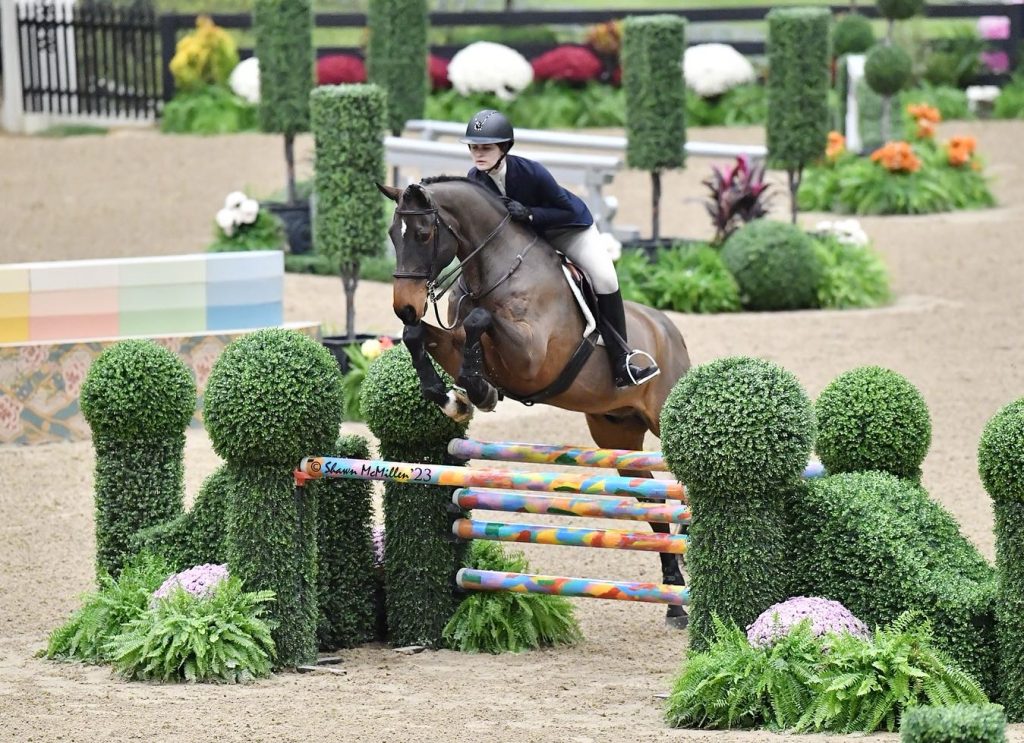
As a mother who rode while raising two daughters and running a business, how do you support amateur riders in balancing their riding with other commitments?
I have some amateur riders who have careers and children, and their focus is family. We do a lot of those foundational exercises so they feel confident when they walk in the ring at shows. When you’re not showing a lot, it’s important to be able to manage those jitters when you get to the show ring and be able to refocus them. I make sure that their horses are ready to go and that they have that foundation, so when they go into the ring they are confident, but I fully support them with the other things that are important in their lives. We sit down and we come up with a plan and we find those workarounds to make them successful.
What program do you feel needs significant focus to grow the sport?
The hunters in general are in a precarious position right now. Part of it is the subjectivity of our sport, but we all need to get focused on how we reinvigorate and reinvent the hunters so that we don’t lose the hunters. I truly think that they’re the foundation of our American riding and they teach people how to ride, so we all need to pay attention to that.
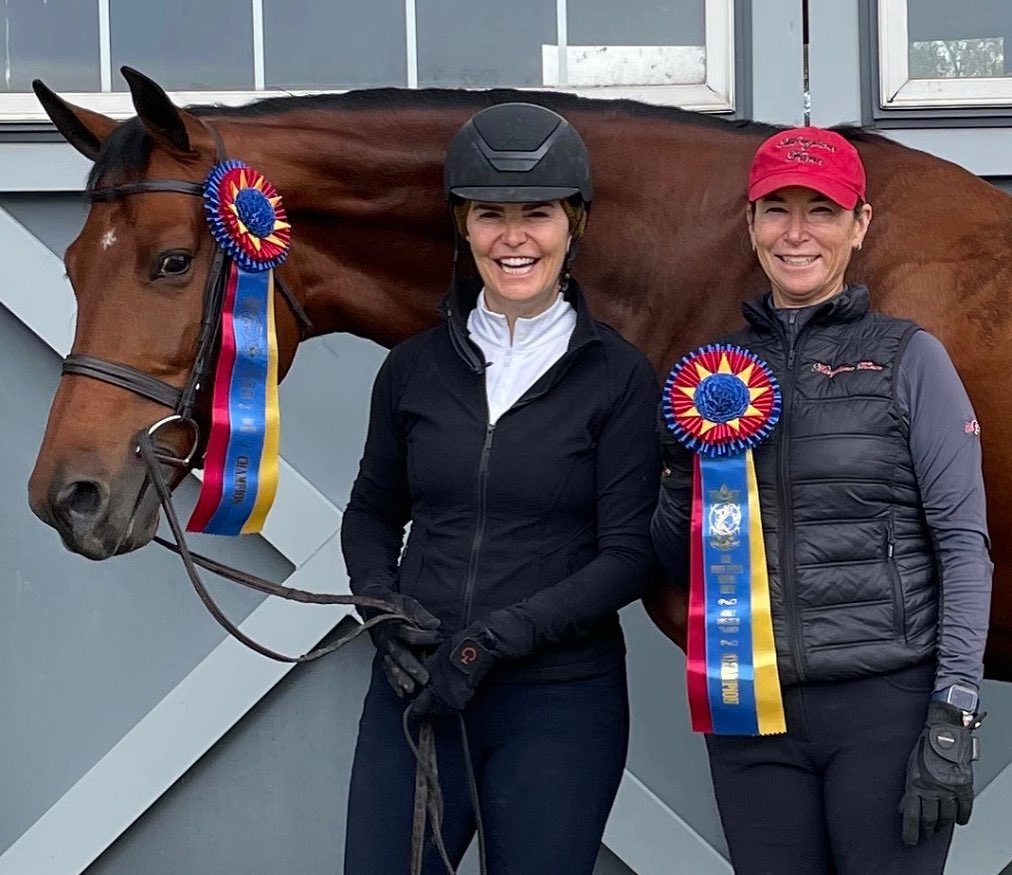
How does your approach to putting the horses first reflect in your business philosophy?
I think that’s something that we all need to do. The horses are the foundation, and even if you look at it from a business aspect, if we lose the horses, we lose the business. When I rode as a kid, I started as a groom in Canada and I worked with a top groom. I’m in the barn, I’m making feed, I’m around my horses all the time, so I have a really good idea of what’s going on with them. For me, the horses are always first, and I am very lucky because my owners stand behind that philosophy as well.
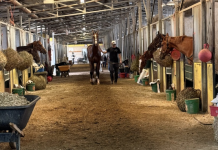
Merryburn Farm is based at Happenstance Farm in Zion, IL, featuring top-quality turnout and facilities just a short drive from Chicago. Weeden is also based in Wellington, FL from January through March, competing at Wellington International during the world-class Winter Equestrian Festival.
For more information about Weeden and her program, visit www.MerryburnFarm.com or follow @merryburnfarm on Instagram.