
By TPH Interns SAHANA PARASHER and CLAIRE WITALEC
Horseback riding is fun—but being an equestrian offers so much more than just the excitement of riding.
There are a number of skills required in equestrian sports, such as perseverance, responsibility, confidence, and effective communication. These lay a strong foundation for success in all areas of life. Through these skills, riders ultimately become better individuals outside the ring as well, in both professional and personal settings.
Perseverance
Humans are not machines—and neither are horses. This means that both riders and their mounts are bound to have off-days. If an equestrian goes into a ride with a negative mindset, that can transfer to their horse and can cause their horse to act differently. Frequently, horses can have different moods during different rides, such as if they get less turnout than they normally would, for example. While equestrians could call it quits after a buck or bolt, horseback riders rarely give up.
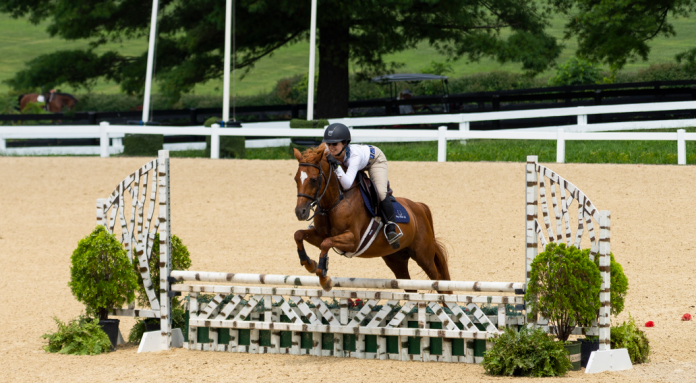
Equestrians are a shining example of the definition of perseverance. They constantly show perseverance, whether that’s heading back into the show ring after forgetting their course on the last round, or being determined to find for perfect distance after bombing their distance on the last jump.
They don’t let their mistakes define them, but instead, they keep working towards their goals—whether that be showing at Maclay Finals or mastering the posting trot.
While falls are far from fun, they are common in equestrian sports. It’s normal to be scared after a fall, and nervous about getting back on your horse. However, as long as it’s safe to get back on after a fall, getting back on is not just critical for progress—it’s a display of courage and resilience.
Perseverance is something that many equestrians carry with them—and that grit is something they can dig into when other parts of life get tough.
Responsibility
If there’s one thing equestrians know, it’s that the horse always comes first.
Whether you’ve had the best ride of your life or placed last in every class at a show, equestrians know the importance of taking care of their horses properly.
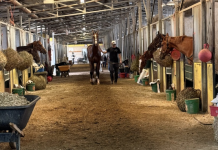
Young equestrians often start by learning not only how to maneuver their horses, but also how to groom and tack their mounts. It’s a responsibility they will be proud of later, as these skills are just as valuable as riding.
Equestrians know that their road to improvement is their responsibility. To improve, equestrians must work hard and push through any obstacles that may cross their path. This dedication can translate into other activities, teaching them to keep going despite the presence of outside circumstances.
Time management skills can also be learned from the responsibilities equestrians face. Equestrians are constantly busy with riding, horse care, and other activities outside the barn. Equestrians know how to make the most of their time on a horse, and prioritize areas that need improvement. Whether it’s getting to their ring at a show on time, or fitting in as many rides as they can during a busy work week, equestrians know how to organize their time productively.
Equestrians’ responsibility skills are transferred to jobs, careers, and other responsibilities life throws at them.
Confidence
Falling off you horse is inevitable. We accept this risk every time we mount our horses, knowing our safety is somewhat at stake.
So, how do equestrians handle this risk? Do they crumble in the face of danger, or do they accept it and ride nonetheless?
The answer is straightforward, given that we do, in fact, mount up knowing this inherent risk.
But that doesn’t mean it’s always easy. Many riders, regardless of their skill level, struggle with confidence issues. These can stem from various reasons, such as a previous fall, or a particularly challenging horse.
However, these nerves aren’t what defines them. What defines them is their passion for horses, driving them to return to the stables time and time again, actively working to repair these confidence issues.
Instead of backing down and quitting in the face of fear, equestrians demonstrate confidence by dusting themselves off and getting back in the saddle. They don’t ignore their fears, but work through them, learning that fear is not a barrier but a challenge to be overcome.
Confidence is a crucial quality for an equestrian. It allows riders to work with horses, which are much bigger than they are, and it empowers them to tackle challenges head-on.
This confidence can positively impact other areas of life, making you more likely to take ‘good’ risks and dust yourself off when things don’t go your way—even if it is just one trot step at a time!
Communication
Did you know that public speaking is America’s number one fear?
Mastering effective communication can be challenging, but equestrians practice a unique form: human-to-horse. This nonverbal communication, which relies entirely on body language, is both challenging and rewarding.
Just like in public speaking, communicating with a horse requires clarity and poise. Riders use their aids, such as their legs, hands, and seat, in a precise, coordinated manner in order to guide the horse.
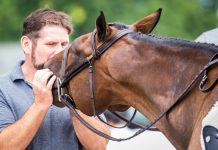
Building a relationship with a horse also involves interpreting and responding to their feedback. Horses express their comfort, irritation, willingness, and reluctance through their behavior.
Riders learn to read these unspoken signs and adjust their approach accordingly, which teaches active listening and adaptability skills— which are crucial for not just effective communication with horses, but also humans.
For instance, interpreting body language and adapting communication styles in a team setting can enhance collaboration and reduce misunderstandings. Similarly, maintaining consistency in communication helps build trust and respect, whether in personal relationships or professional environments.
The Takeaway
While horseback riding offers the excitement of connecting with horses, it also teaches equestrians important life skills.
Equestrians learn perseverance by overcoming setbacks, responsibility through dedicated horse care, confidence by facing and conquering fears, and effective communication through nonverbal interactions with their horses.
These qualities extend far beyond the arena, shaping riders into well-rounded individuals capable of achieving success everywhere they go.