

Think poker and horse racing have nothing in common? Think again. While one unfolds at a card table and the other at a racetrack, both are about much more than luck—they’re games of skill, strategy, and sharp instincts. Whether you’re holding a poker hand or placing a bet on the next big race, success comes from reading the situation, knowing your opponents, and making calculated decisions.
This article uncovers the surprising parallels between poker and horse racing, revealing how mastering both can sharpen your mind, improve your decision-making skills, and, ultimately, increase your chances of winning. So, whether you’re a card shark or a racing enthusiast, understanding these similarities can give you the edge you need to come out on top.
1. Strategic Thinking and Tactics
While poker and horse racing might seem like completely different worlds, both are built on the foundation of strategic thinking and smart tactics. Understanding these similarities can offer valuable insights into how both poker players and racing enthusiasts approach their games.
In poker, success hinges on strategic thinking. Players need to know when to bluff, when to fold, and when to go all-in, often relying on a mix of mathematical odds, reading their opponents’ tells, and gauging the flow of the game. It’s a constant balance of risk and reward.
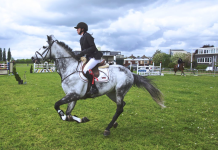
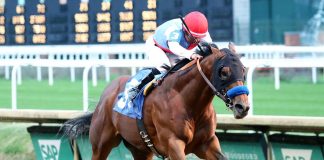
Similarly, in horse racing, jockeys and trainers employ their own set of strategies. They must decide when to conserve the horse’s energy, when to make a push, and how to position themselves in the race. Just as a poker player might play cautiously early in the game, a jockey might hold the horse back, waiting for the perfect moment to sprint ahead.
In both poker and horse racing, strategic thinking allows the underdog to triumph. With only about 35% of race favourites winning, clever tactics can lead to unexpected victories, much like how skilled poker players can outplay those with stronger hands.
2. Studying the Opposition
In both poker and horse racing, understanding the competition is a crucial part of the game. Successful poker players meticulously observe their opponents, picking up on tells and betting patterns, and behavioural cues. This knowledge helps them predict future moves, allowing them to adapt their strategies and gain an edge at the table.
Similarly, in horse racing, jockeys and trainers put a lot of effort into studying their competition. They analyse other horses’ racing styles, track preferences, and past performances. Knowing whether a rival horse tends to lead from the front or prefers to come from behind can be critical when making tactical decisions during a race.
In both worlds, this kind of preparation and analysis can make all the difference. By identifying the strengths and weaknesses of their competitors, poker players and racing professionals can seize opportunities, avoid potential pitfalls, and significantly boost their chances of success.
3. Understanding and Playing to One’s Strengths
In both poker and horse racing, knowing and playing to one’s strengths is key to success. Every poker player has a preferred style or game type, whether it’s Texas Hold’em, Omaha, or another variant. By focusing on their strengths, players can enhance their performance and increase their chances of winning. However, adaptability is equally important, as players must adjust their tactics based on the flow of the game and their opponents’ behavior.
Similarly, horses have their strengths, excelling under specific conditions, distances, or track types. An elite horse might dominate short sprints but find longer races challenging. Trainers strategically select races that match their horse’s strengths, much like a poker player chooses the format they excel in.
In both fields, recognising and leveraging strengths is crucial. Focusing on areas where they have a competitive edge allows both poker players and racehorses to achieve better outcomes.
4. Managing Psychological Pressure
High-stakes situations in poker and horse racing can test even the most experienced participants. Poker players often find themselves under immense pressure to make the right decisions, especially in front of a watchful audience. The ability to stay calm, accurately read the situation, and control emotions is vital to maintaining an advantage at the table.
Similarly, jockeys face significant psychological pressure, particularly in major races with large crowds and high stakes. The outcome of a race can hinge on a jockey’s ability to remain composed and make split-second decisions under intense scrutiny.
In both poker and horse racing, managing psychological stress is crucial. Success isn’t just about skill or strategy; it’s also about mental toughness and the ability to perform consistently under pressure.
5. The Role of Luck
While skill and strategy are central to both poker and horse racing, luck undeniably plays a role in the outcomes. In poker, a well-strategised game can still be overturned by the turn of a single card, demonstrating how luck can influence even the best-laid plans.
Horse racing is also subject to the whims of luck. Factors like a horse stumbling, a poor start, or sudden changes in weather conditions can impact a race’s result, no matter how well-prepared the jockey and horse are.
Both poker players and horse racing professionals understand that while luck can’t be controlled, its impact can be minimised through careful preparation, skill, and the ability to adapt to changing circumstances.
Conclusion
Despite their differences, poker and horse racing share key similarities. Both demand strategic thinking, a close study of the competition, awareness of one’s strengths, and the ability to handle psychological pressure—all while acknowledging the role of luck. Whether at the poker table or the racetrack, these elements create a thrilling, high-stakes experience. By recognising these commonalities, fans and participants alike can gain a deeper appreciation for the skills and tactics involved. Understanding these shared aspects not only enhances the experience but also offers a fresh perspective on what makes both poker and horse racing so captivating.