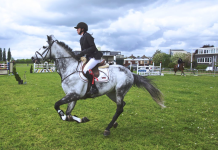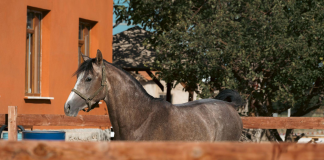

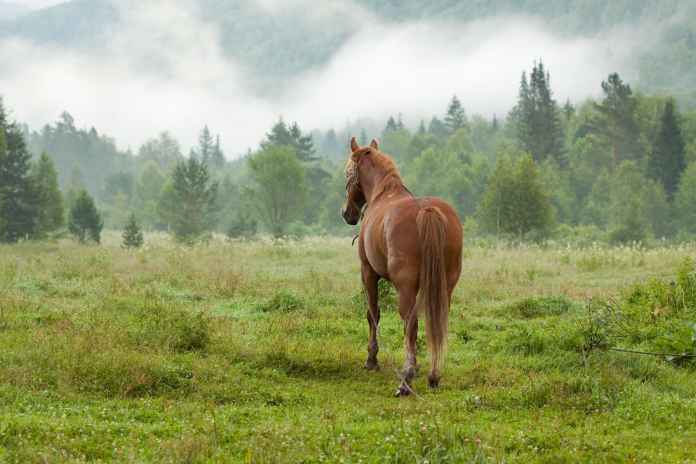
Have you ever tried horse riding? If not, you are missing out on a lot, which needs to be fixed urgently! Horse riding is a perfect hobby for everyone: it allows you to spend time outside, enjoy the scenery, even dive into the past, and feel the vibe of past centuries. It is truly marvelous to enjoy the wild ride, feel the wind on your face, and unite with nature for a moment. Horse riding will help you take a break from the endless hustle and bustle of digital life and improve your mental stability.
Horse riding can be treated as a kind of meditation or native therapy. Remember that if you need to free up some time and cope with college assignments more effectively, you can start by learning more about Scribbr services.
Endless Menthal Help Benefits
Horse riding is a popular hobby in Canada, and those Canadians definitely know something about quality life!
Physical activity has positive effects on mental health, and research has connected doing the recommended amount of exercise to “improve anxiety, depression, dementia, cognition, and quality of life.” However, there are additional mental health benefits to working with horses.
Stress Relief
For some, being around a horse may be a soothing experience. Research shows that even a brief social interaction with fellow riders and horses, lasting only 10 to 15 minutes, can have a positive effect on the body, increasing endorphins and decreasing cortisol levels.
Another benefit of equine therapy is the stress reduction and emotional regulation skills it teaches. First responders with post-traumatic stress disorder (PTSD) who participated in a recent trial of equine-assisted treatment reported improvements in their ability to control negative emotions like anger and anxiety.
Improved Socialization
Even though most individuals ride horses alone, it’s not uncommon for riders to meet others who share their interests. In the equine community, yards are great locations to meet like-minded individuals, who you can then train and hack out with, creating bonds that would be impossible to achieve in any other setting.
Riding may be more commonly associated with individuals competing alone, but there are plenty of chances to join riding teams. For young individuals looking to meet new people, there are pony clubs in their area where they may participate in events, form teams, and attend camps.
Emotional Bonding
The relationship between a horse and a human is one of the longest-lasting and most mutually beneficial partnerships in animal history. Because of their sensitive and sympathetic personalities, horses can establish strong bonds with their riders and remain by their sides for the rest of their lives. When starting on horseback, many riders are taken aback by the ease with which they form a bond with their mount and the mutual learning that ensues. Animal assisted therapy is a popular and effective method of treatment. In fact, horses are increasingly recognized as emotional support animals, offering comfort, companionship, and therapeutic benefits similar to those provided by dogs or other emotional support species.
Sense of Responsibility
A stronger feeling of responsibility is one of the many advantages of working with and caring for animals. As an example, in equine-assisted therapy, patients are taught to set their bad feelings aside and concentrate on building a strong bond with the horse. The horse still requires daily attention, including feeding, watering, and exercise, regardless of our mood or the events of the day. Establishing a healthy routine might also be aided by this.
Sense of Companionship
Lastly, humans gain from having animal companions, and horses are no exception. Many mental health issues, such as worry, stress, and depression, can be alleviated through animal companionship. As a result, there’s a valid reason to feel better after a ride or smile when cleaning your horse; there are many positive physical and mental health assessments for interacting with horses.