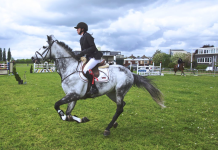

Horseback riding is more than just a sport—it’s a discipline that combines physical skill, mental focus, and a deep connection with the animal. The benefits of equestrian riding for mental health and confidence are clear: it helps reduce stress, improves emotional balance, and builds self-assurance through goal-setting, discipline, and the bond between rider and horse.
To stay committed without straining the budget, many riders consider flexible options for financing your hobby expenses — especially when upfront costs make it difficult to maintain regular training or work toward long-term goals.
This article explores how the right horse-riding equipment can improve training results. Combined with regular practice, strategic gear choices also boost comfort and performance—whether in the arena or on the trail.
How to Choose the Right Horseback Riding Equipment
With so many options available, understanding what equipment suits your experience level, discipline, and horse can make a big difference in your overall experience. Here’s how to do it properly:
Prioritize Fit and Function over Trends
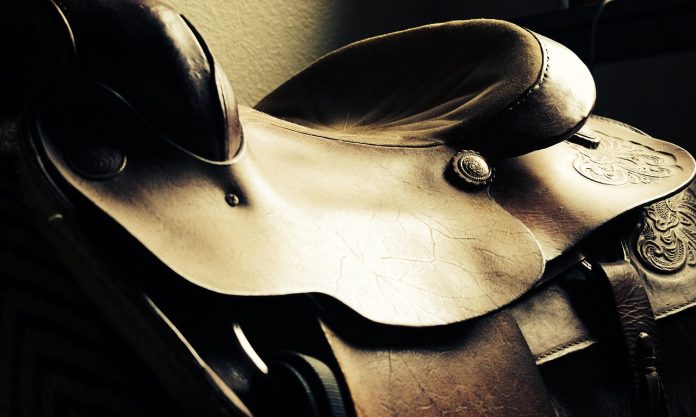
A poorly fitting saddle or helmet can cause pain, imbalance, and injury. For helmets, look for models certified by ASTM/SEI (like the Troxel Liberty or Charles Owen Halo) and make sure they fit snugly without shifting when you move.
Invest in Safety and Comfort
Your boots also play a critical role. Stick with riding-specific footwear with a half-inch heel to prevent slipping through the stirrups. Reliable options from brands like Ariat or TuffRider are available for under $150, offering function and value. Gloves and breeches complete the essentials. Good gloves improve your grip on the reins and help prevent blisters during long rides.
Evaluate Quality Versus Price
Look for seasonal sales from reputable tack stores like SmartPak. Consider lightly used equipment from local Facebook horse groups or consignment shops. Before making major purchases like saddles or tall boots, ask to try a friend’s gear or rent it first to test its fit and feel.
Maintain Affordable Riding Equipment for Long-Term Use
Proper maintenance of horse gear will help you improve its longevity and performance. Handle tack should be cleaned every time after riding, as moisture and debris will gradually destroy leather components and seams. Clean and condition leather weekly, and wash saddle pads regularly. Helmets, gloves, and boots need storage space free of moisture and temperatures below 70 degrees Fahrenheit.
Build a Strong Foundation Through Consistent Training
Progress in horseback riding comes from repetition with intention. Developing a solid training routine doesn’t just build skills—it strengthens your connection with the horse and improves your performance over time.
Ride a balanced 20-meter circle at the canter without falling in (within 3 weeks). Improve downward transitions from trot to walk without using reins excessivelyю Hold a correct two-point position for 60 seconds during trot poles. Use a riding journal or an app like Equilab to log each session.
Work with a Knowledgeable Trainer
Look for certified professionals (e.g., USDF-certified for dressage or CHA for general riding instruction) who tailor lessons to your discipline and learning style. Ask for trial lessons before committing, and make sure your goals align. A rider preparing for local hunter shows will need different support than someone learning groundwork with a green horse.
Track Progress and Adjust as Needed
Don’t stick blindly to a plan. Every 4–6 weeks, review your training journal or app data. If something isn’t working—like drilling lateral work too early—pause and return to basics. Many riders benefit from “reset weeks” focused on groundwork, hacking out, or transitions at the walk and trot to rebuild clarity.
Improve Riding Technique with Focused Practice
Trying to do too much at once can lead to frustration for both you and your horse. Instead, focus on one piece at a time. If you’re working on canter transitions, spend a few rides just getting clean upward transitions. Then, tackle downward transitions. Add accuracy or balance. When you isolate each part, you’ll see faster, more lasting improvement.
Manage the Costs of Riding and Training
An investment in riding requires planning to achieve manageability. Create a list of your regular monthly and yearly costs. The expense list should include lessons, gear, veterinary services, boarding, travel, and events. Shield your expenses against your earnings through this examination. Determine between necessary expenses and optional costs and treatment of long-term savings.
You may not have to pay it all upfront if you face a large expense, such as a new saddle or clinic. Many tack shops and equestrian service providers offer payment plans, financing options, or seasonal discounts.
Final Thoughts on Achieving Long-Term Progress
Sustainable progress is the only path riding offers—there are no shortcuts. Focused training develops your skills, while proper equipment ensures safety for both rider and horse. Sound financial planning allows you to enjoy horse riding without added stress.