By MARLEY LIEN-GONZALEZ
Saddle fitting is one of the more polarizing topics within the equestrian industry. Everyone has an opinion, and it can be difficult for the average rider to cut through the noise to find accurate information.
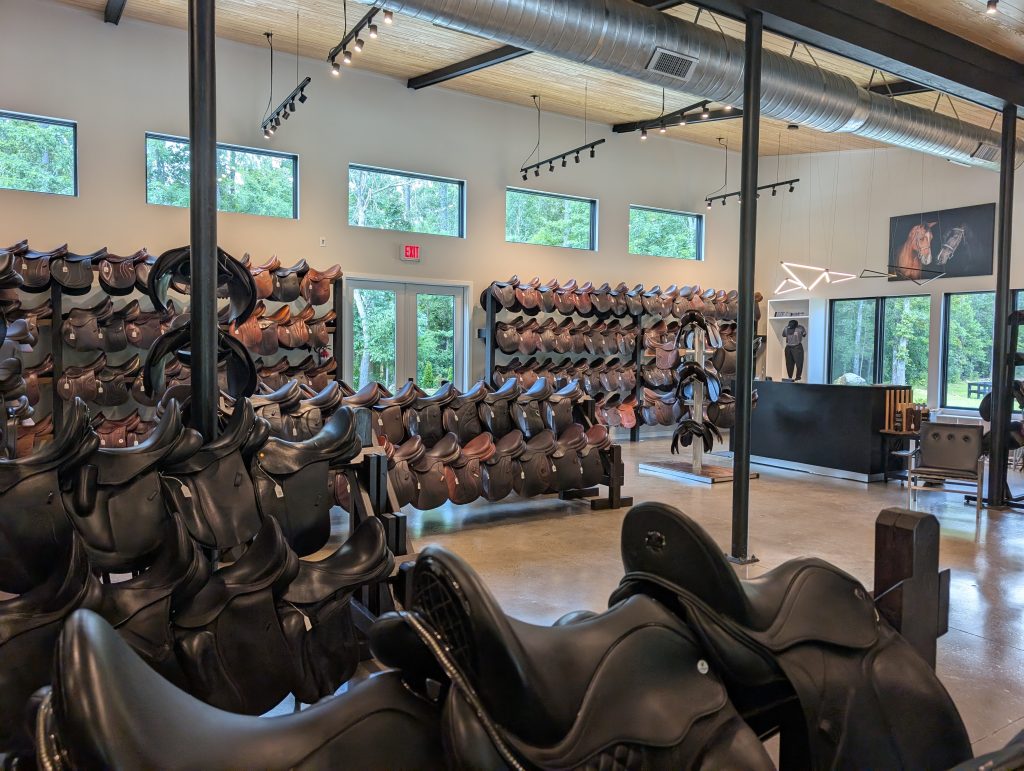
Independent stores, such as Highline Tack, a contemporary consignment store based in Chapel Hill, NC, have built themselves in the current climate as being horse-first by using a team of experts with diverse experience to match you and your horse with the perfect fit. We sat down with the team from Highline, as well as two other well-established fitters, to dig into the challenges of the modern saddle fitting industry.
Meet the Fitters
Mary Bowles is a certified saddle fitter serving North Carolina and coastal Virginia since 2005 and is a representative for a number of brands, including Albion, Amerigo, Equipe, Fairfax, and Passier. Tara Mebane CSF, EM/MT, EEMFR has a triple independent certification in saddle fitting and equine bodywork with a decade of experience, also representing Cavaletti Saddles and Smart Saddles. Also an independently certified saddle fitter is Miranda Levin, who works for Highline Tack as their in-house saddle fitter.

What Makes a Saddle Fitter
With the knowledge of saddle fitting becoming more prevalent, equestrians are turning more to saddle fitters for evaluating the fit of their saddles. “Within the last 20 or so years, the awareness of saddle fitting within the equestrian community has increased immensely,” says Levin. “Gone are the days of picking up any old Crosby or Stubben, tossing it on your horse, and going for a ride.” With more riders using fitters for help with their saddles, there has also been an increase in self-proclaimed experts in the saddle industry. The challenge becomes finding a fitter who can help you find the right saddle for you and your horse.
Within the industry, there are saddle fitters, who may or may not be associated with a saddle brand, as well as pure brand representatives, whose main job is selling saddles for their company and often do not have training outside of what their company provides. When trying to find a saddle fitter, Mebane advises, “Look for someone who has experience and verifiable credentials. Make sure they’ve gotten the training they claim to have and look into the program they studied through. This industry isn’t regulated, so riders have to do their homework a little and make sure they are hiring a qualified professional.”
A saddle rep who has only been educated through brand-affiliated sources may lack some of the skills that independently trained saddle fitters have by trade. Bowles and Mebane stress the importance of saddle fitters knowing horse and rider anatomy and biomechanics, which is often not covered in the training brand representatives receive. The danger of brand-specific training lies in the “one brand suits all” philosophy. “Personally, I don’t think there is a brand that can fit every horse in the world,” says Levin.
However, just because a saddle fitter works with a brand (or several), does not mean that they are inherently biased. The phrase “independent fitter” is used by many saddle fitters; however, being truly independent can make it difficult for fitters to source saddles for their clients. Bowles argues that having a diverse brand experience can help a fitter in the long run.
“The knowledge and experience that I draw upon to evaluate and fit your saddle has been gleaned from fitters, saddlers, horsepeople, and equine professionals who gave me the opportunity to learn from them. And I do represent and fit for several brands of saddles, after all.”
Saddly-Savvy Internet
Social media and the internet have brought a new wave of understanding to the equine world when it comes to the purpose and functionality of equipment. Like most topics on the internet, discussions about saddle fitting have become incredibly divisive. With growing interest in saddle fitting, the debate over what saddle you “should” be riding in has grown.
“The sheer mass of opinions on social media about saddles and proper fit can be difficult to navigate,” says Levin. “This can lead to more confusion than answers for the average consumer just trying to find information.”
Bowles adds, “There are a few good sources for general information on social media, but just as with any news you get off the internet, trust but verify.”
One of the more commonly debated topics that can be found in various Facebook groups and other message boards is the debate between foam and wool panels.
Overwhelmingly, foam and wool flocking are the two most popular materials to use in panels. Most French-style saddles have foam panels, while most other brands use a wool panel. The French-style saddles are popular in many disciplines, but they are very prevalent in the Hunter/Jumper world due to their close contact feel. Foam panels cannot be adjusted unless the whole panel is changed; however, wool panels can be flocked to adjust the fit.
“The adjustability of a wool panel makes them very popular for saddle fitters,” says Levin, “but if the rider is uncomfortable using a wool-flocked saddle due to the fit or the aesthetic of the saddle, then there is often a foam saddle that can work as long as the tree shape works for the horse.”
There is no hard rule on which saddle any individual horse will be the most comfortable in. Mebane proposes that the type of panel you need often comes down to what your horse can support.
“The build of the horse is one factor, as the very broad and round built horses have better stability with a closer contact fit that a foam panel can provide,” she says, “A more narrow, tent back build will get better support from a flocked panel. Foam is more consistent and requires less maintenance, which is ideal for professionals riding multiple horses a day in the same saddle. If someone doesn’t have a trained and experienced saddle fitter in their area that can maintain flocking, I would recommend a foam panel.”
At the end of the day, every horse and rider has different needs, which means it’s important to keep an open mind when it comes to what tack you choose to use.
How to Saddle Shop
Buying a saddle can be an intimidating decision, whether it’s your first or one of many. Every rider deserves to end up with a saddle they love and are confident knowing their horse is comfortable and moving their best. To make the most out of the exciting experience saddle shopping can be:
-Consult experts. Yes. You should find a saddle fitter ideally, but it is also important to talk to your trainer and other equine professionals who work with your horse. While they are not able to fit your saddle, they can help make recommendations to find a fitter to work with and give advice on your position in different saddles.
-Determine what style of saddle works best for you and your horse. There are a lot of opinions out there about what you “should” be riding in, but if you are uncomfortable in your saddle, then you are not going to be able to ride effectively.
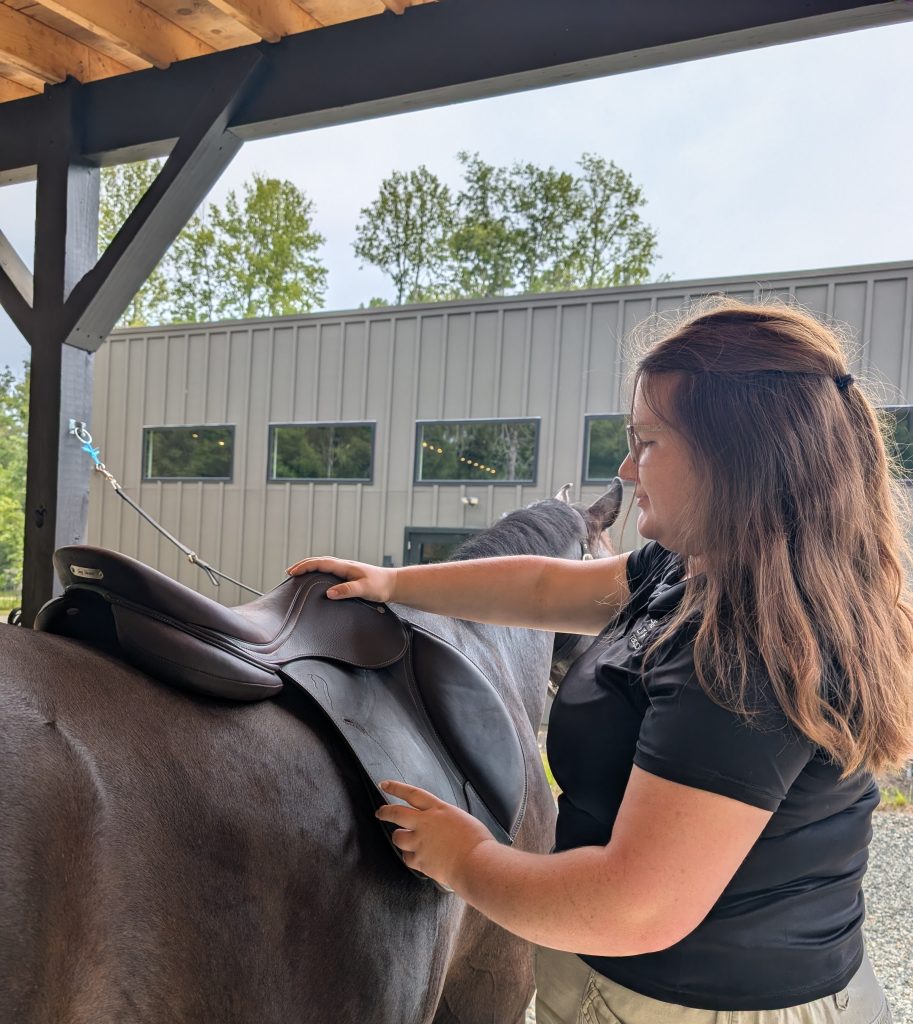
-Develop your own eye. “None of this is rocket science,” says Levin, “most riders should be able to look at a saddle and assess the balance, the wither clearance, and the contact of the panels within the bearing surface.” There are many educational sources that can be found to help develop these skills.
-Do your homework. Research your saddle from sources outside of the brand, and don’t be afraid to make a change if your current setup is not working. “Trust your gut and listen to your horse,” Bowles says, “If you kinda sorta think your saddle doesn’t fit, it probably doesn’t. Horses are incredibly benevolent and accepting creatures, so never lose sight of that and dismiss signs of pain as a bad attitude or an unwillingness to work.”
Any lingering questions are best left to the professionals. Visit Highline Tack for their knowledgeable experts and stock of saddles available in person or through virtual evaluations with free shipping and trials