
Brought to you by The Plaidcast
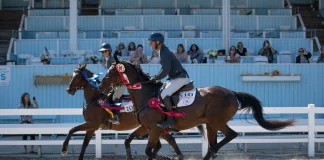
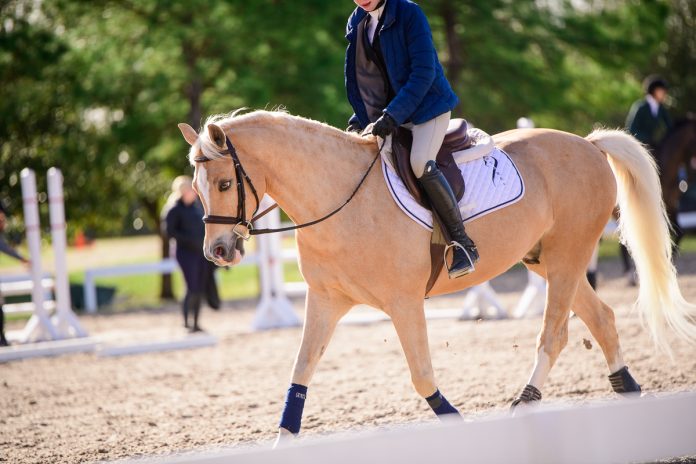
Every rider has been there. You’re trying to find a rhythm in the warm-up ring while weaving through traffic, managing your horse, and keeping track of what’s happening at the in-gate. It can feel like you need eyes in the back of your head.
Mental skills coach Tonya Johnston says that while warm-up rings can be busy and unpredictable, they don’t have to derail your performance. The key is to adjust your mindset, manage your attention, and keep your expectations realistic.
Accept the Reality of the Warm-Up Ring
The first step, Johnston says, is to accept that the warm-up ring is different from the show ring. It’s a place to get ready, not a place to be perfect.
“When you walk into a busy warm-up, remind yourself, this is not where I need to be perfect. It’s where I prepare,” Johnston explained.
By shifting your focus from flawless execution to preparation, you take pressure off yourself and reduce frustration when things don’t feel smooth.
Don’t Get Stuck on Warm-Up Mistakes
One of the biggest traps Johnston sees riders fall into is getting emotionally attached to a warm-up mistake. Missing a distance or chipping a fence in schooling doesn’t mean disaster in the show ring unless you carry that frustration with you.
“If you make a mistake in warm-up, it’s information,” she said. “It’s not a predictor of the rest of your round.”
Instead of replaying the error, note what you can adjust and let it go before you walk into the ring.
Have a Plan Before You Start
In Johnston’s book Inside Your Ride, Olympic gold medalist Laura Kraut shared her approach to warm-up: know what you want to accomplish before you pick up the reins.
That plan might include:
- A set number of fences to jump
- Specific flatwork to address suppleness or responsiveness
- Practicing a particular line from the course
Going in with a plan helps you use your time efficiently and makes it easier to step out feeling prepared.
Control Your Attention
In a crowded schooling ring, your attention is constantly pulled in different directions. Johnston recommends practicing “gaze control,” which means being deliberate about what you look at and when.
When you’re working with your trainer, keep your focus on their instructions and your horse. When you’re waiting, scan the ring to see how traffic is moving and spot openings. “Where your eyes go, your mind follows,” Johnston explained. Directing your gaze with purpose helps you stay centered rather than caught up in the commotion.
Breathe and Reset
If you feel yourself getting tense, take a slow, deep breath, preferably while walking or pausing for a moment. That short reset can help lower your heart rate and keep your muscles relaxed.
Even a single intentional breath can make the difference between reacting to the chaos and riding your own plan.
Observe Before You Jump In
If possible, spend a few minutes ringside before you enter the warm-up. Watch how horses and riders are moving, notice which jumps are in use, and get a feel for the flow. This small step can help you adapt faster and avoid surprises once you’re in the mix.
Keep Your Focus at the In-Gate
The moments between the warm-up ring and the show ring are critical. As you walk to the in-gate, leave the chaos behind and refocus on your round.
Johnston suggests using a mental cue, like a keyword, short mantra, or image, to signal the shift. That way, you step into the ring with your mind clear and your attention fully on the task ahead.
A busy warm-up ring can rattle even the most experienced riders, but it doesn’t have to sabotage your performance. Accept the environment, stick to your plan, control your attention, and let go of warm-up mistakes before you step into the show ring.
“The warm-up ring is there to get you ready,” Johnston said. “It’s not the main event.”
Want more and mental skills insight from Tonya Johnston? Listen to episode 444 of The Plaidcast and subscribe on your favorite podcast platform for conversations with the most influential voices in the equestrian world.