

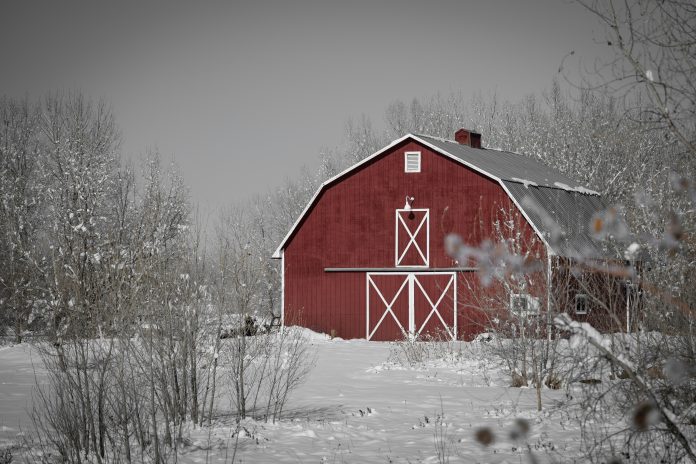
While healthy horses are more equipped for managing cold weather than you may think, a barn is still the go-to partner for keeping equines and other farm animals safe, warm and protected in winter. It’s only natural you’d want to heat that space for them if you live in an area with extreme cold and deep snows.
In most cases, heating horse barns without fire risk isn’t about keeping the entire space toasty, but rather about protecting vulnerable animals and preventing frost-related issues. The key is maintaining comfort and safety without adding unnecessary fire hazards.
Your Winter Barn Heating Preparation Checklist
Before introducing any temperature-regulating systems, concentrate on optimizing your existing setup. Many shelters lose heat through cracks, gaps and thin insulation. Well-sealed structures reduce the risk of mechanical or electrical failure, cutting back on the need for risky barn heating systems. Barn fires are more prevalent than you may realize, with 1,025 horses having perished in structural fires since 2013 in the U.S.
Fortify your shelter’s defences with these steps:
- Seal gaps and drafts: Check around windows, doors and foundations for air leaks.
- Add insulation: Spray-foam or rigid board insulation in walls and ceilings helps retain heat.
- Use deep, dry bedding: Thick layers of straw or shavings provide natural insulation from the ground up.
- Select appropriate materials: Dusty, highly flammable materials increase fire risk, so choose fire-retardant, polytetrafluoroethylene shade fabrics to section vulnerable areas, such as the hay store room. These are waterproof and resist melting and combustion up to 600° Fahrenheit, making shade sails an ideal way to boost fire security.
Safe Barn Heating Systems
Once your horses’ shelter is sealed and safe, explore options designed for equine environments.
1. Radiant Heating
Infrared heating systems provide warmth directly to animals, rather than the surrounding air. This reduces energy waste and maintains suitable humidity levels for respiratory health. When mounted high and out of reach, this is one of the safest barn heating systems.
2. Geothermal Heat Pumps
You can use the steady underground temperature to warm your stable. It’s an energy-efficient barn heating method for producing steady, safe heat without any open flames or combustion sources. Although the initial installation can be costly, it will lower energy bills and eliminate the risk of fire. The underground components are expected to last over 50 years, while the aboveground parts are projected to offer 24 years of service.
3. Forced-Air Units
These agriculturally-focused systems force heated air along ductwork to provide a type of radiant warmth throughout the structure. Ensure the unit is rated for stables, as the design will eliminate debris buildup without blowing dust or bedding about. The best, safe barn heating systems prioritize airflow, safety and low maintenance.
Non-Heating Methods to Warm Equines
Even without mechanical or electrical systems, you can maintain warmth and comfort through smart management.
Blanketing and Nutrition
A well-fitted blanket helps horses retain heat, especially when they’re clipped. Check for rubs and damp spots daily. Feed your horses a protein-dense, high fiber meal with additional forage to create internal heat during cold days and nights. Constant grazing on high-quality hay is how they generate natural warmth.
Heating Water Sources
Hydration in winter is crucial to prevent colic, so ensure your horses drink sufficiently by providing additional salt supplementation and by warming their water sources indoors and outdoors. Use heated buckets or insulated waterers for livestock. Secure cords and outlets from the reach of noses and hooves to reduce electrocution and fire hazards.
Building Warmth, Not Risk
Keeping your horses comfortable doesn’t have to mean plugging in a dozen heaters. Start by sealing, insulating and monitoring your barn for fire hazards. Then, if a winter blanket doesn’t suffice, you can add radiant or geothermal systems that balance safety and efficiency.
Combine that with good nutrition, deep bedding and regular inspections for safe barn heating without sacrificing your peace of mind.