
By JAMIE SINDELL
Why can the horse world feel so toxic? Not always, not with everyone, but enough that it becomes the quiet hum underneath many barn experiences. For years, I thought it was the money or the competition. And sure, those play a part. But the more I watch, and I parent my kids through this sport, the more I see that the root is far more human. We’re all insecure. Every single one of us. Especially the people who pretend not to be. And money and competition magnify that deep-rooted self-doubt.
Because the money in this sport is insane—nearly all of us feel it. Even families who seem to have endless resources still feel behind someone else. There is always a nicer horse, a pricier program, a bigger show. That pressure sits on your chest and whispers, You should be doing more. Spending more. Winning more. And when riders feel that strain, it leaks sideways. Whispering in corners. “Helpful” comments that sting. Pushing a horse because the bill is too high to come home without results. Pressure mixed with money distorts things — and underneath that distortion is fear of not being enough.
I struggle with my own relationship with money in this sport. I cringe at every farrier bill, worry about every show bill. I spend, then feel guilty, then feel like I need to spend more to keep my girls competitive. It’s a vicious cycle. Every invoice reminds me of the sacrifices and the guilt. What else could this money be going toward? Should I be saving it? Should I spend more of it to make my kids competitive? When you’re constantly doing mental math, your veneer cracks. It’s nearly impossible to stay grounded.
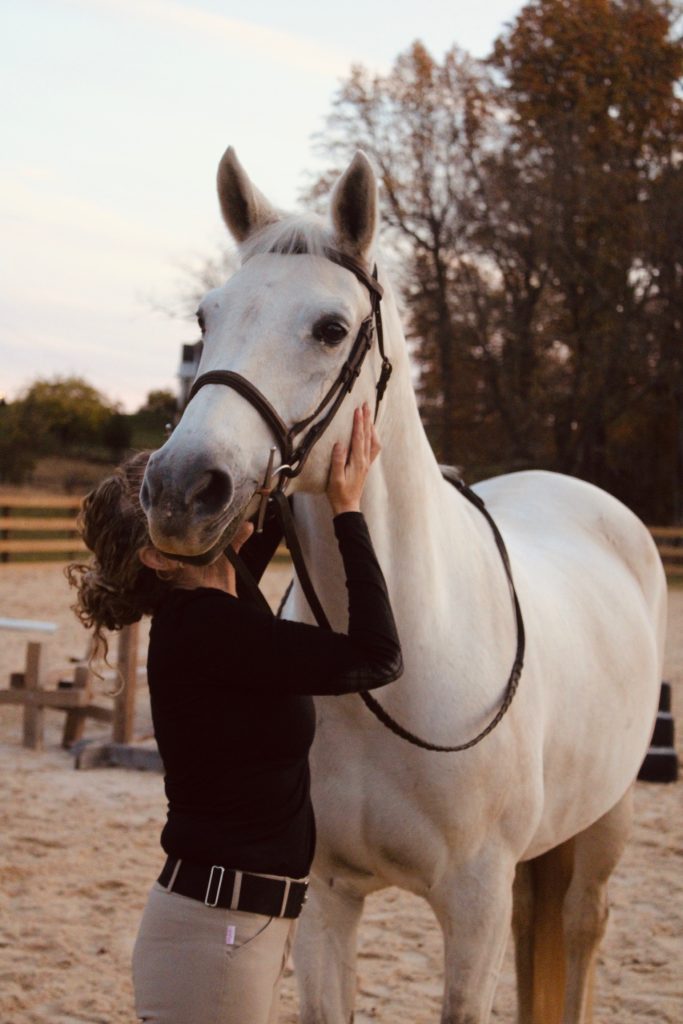
Even though life is good, it’s easy to forget that when you’re surrounded by what feels like endless opulence. A bubble of privilege. I know this first-hand because I’ve envied parents who lease and buy expensive ponies and horses — I wish my girls could move up like their friends. When I scroll through ads for horses we can never afford, I feel that sting of envy even though I know we’re incredibly lucky. That’s insecurity too — just wearing a different mask.
And then there’s constant competition—social media only makes it worse. We pretend it’s confined to the show ring. It isn’t. Who’s moving up? Who’s suddenly winning? Who has the new import? Whose the trainer’s favorite? Even the kindest people slip into the trap. Comparison turns into tension, jealousy, judgment. It doesn’t make anyone bad. It’s human. But when every barn member is silently measuring themselves, it only takes one glance or one comment for the whole place to feel prickly. Cutting someone else down becomes a quick fix for feeling less-than, but in the long run leads to deeper unhappiness and toxicity. Especially if you aren’t self-aware enough to stop the cycle.
Underneath all this is deep, bone-level insecurity. Horses expose every crack in us. Every fear. Every doubt. They make you ask, Am I good enough? Adults feel it. Kids feel it. And professionals? Perhaps they feel it the most. Their insecurities just come with higher stakes.
When a trainer’s reputation and livelihood rest on horses and riders performing like machines, it becomes easier to lose sight of values. When the thought becomes, if my riders don’t win, clients leave—and the next thought is I won’t be able to pay my bills—fear takes over. And fear with no place to breathe turns into defensiveness, gossip, control, and the need to be right. It also turns into cutting corners. Drugging. Lunging horses into a coma. These are the barns where clients smile on the outside while walking on eggshells, and where the welfare of the horse slides to the bottom of the list of priorities.
But here’s what I keep returning to: why we do this in the first place. Horses make us emotional. Hopeful. Proud. Vulnerable. Scared. They pull every feeling we keep tucked away straight to the surface. When you love something this much, the highs feel incredible, but the lows are rock bottom. I feel that dichotomy often. And it makes me question myself. Am I doing this right? Should I be doing this at all? Our intentions are often rooted in love for the horse — but love without emotional awareness can still lead to unhealthy thoughts and choices.
So how do we address it? There’s no quick fix. We can’t undo a rampant culture overnight. But we can start by naming what’s really going on — calling it toxic instead of pretending everything is “fine.” We can choose programs that value kindness. We can support trainers who don’t need to break riders down to build them up. We can seek spaces where our self-worth doesn’t rise and fall with a ribbon or a bad ride.
And we can address bad behavior by putting the horse back at the center where they belong. When the horse comes first, the noise fades. The competition gets healthier. The egos shrink. Barns breathe easier. Horses pull us back to what matters if we let them. If we value the quiet, scared moments as much as the wins.
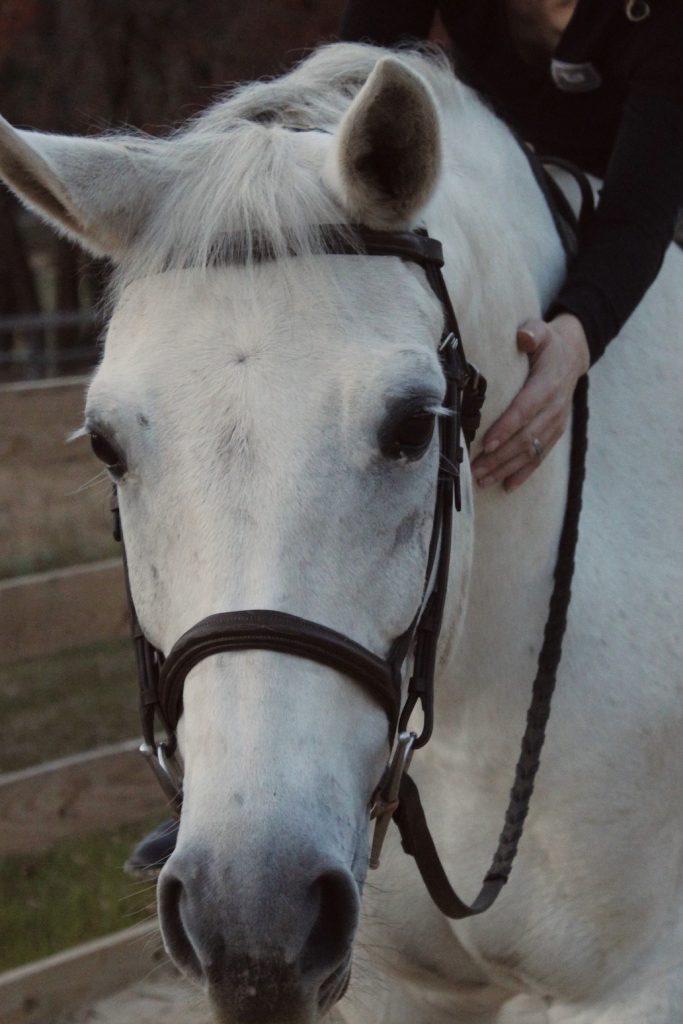
I believe change also starts with more honesty. Rather than hiding behind the trendiest breeches, the ribbons, the curated perfection on social media. We all want to belong. We want to be good at something unbelievably hard. And if we understood that more — talked about it instead of whispering behind backs — barns might feel safer. Healthier.
We need more compassion for ourselves and others — room for people to say, “I’m struggling,” without fear of losing their place. Real conversations about our ups and downs instead of gossip.
Maybe we can’t fix the entire industry. But we can fix the parts we touch. We can celebrate someone else’s win. Admit when we feel insecure. Walk away from barns that bring out our worst selves. Choose barns that care for horses instead of medicating them into compliance.
That’s the future I want for my kids. One that’s still passionate and competitive, but humane. One where the love of the horse is louder than the judgment. One where people show up as their honest, best selves — not their hidden, broken ones.
We can’t change everyone. In any profession, there are crooks and bad actors. But we can change our own behavior. And that’s where change lives.
Jamie Sindell is a passionate equestrian blogger. She has an MFA in Creative Writing from the University of Arizona and a BS in Animal Science from Cornell University. She has ridden and owned hunters on and off throughout her life. She is a mom of five kids who range from ages 5-16. She and her family reside at Wish List Farm, where her horse-crazy girls play with their ponies. Her son and husband play with the tractor. You can follow her on Instagram @wishlistfarm.