Brought to you by The Plaidcast
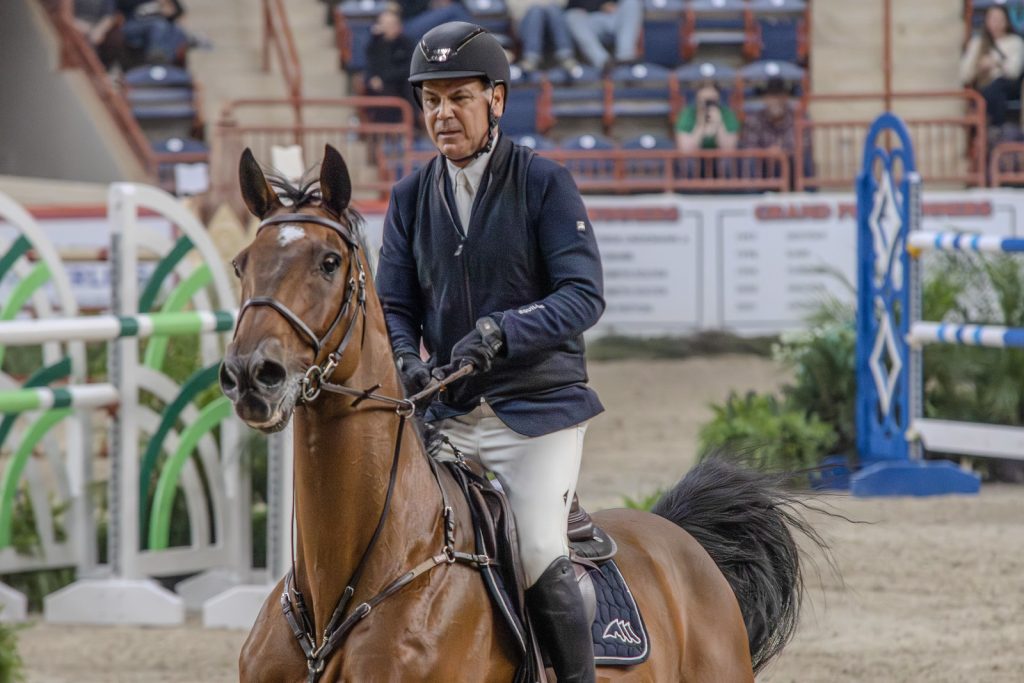
In a sport that rewards ambition, speed, and visible progress, “going slow” can feel counterintuitive. But for Jimmy and Danielle Torano, patience isn’t hesitation. It’s a strategy.
Across decades at the top of the sport, the Toranos have learned that whether you’re developing a young horse or a promising rider, there is one mistake you almost never make: taking your time. “You will never make a mistake going too slow,” Jimmy said. “You’ll never make a mistake going too slow with a rider. And you’ll never make a mistake going too slow with a horse.”
Starting Below the Level—On Purpose
When new horses enter the Toranos’ program, they don’t debut at the highest level they’re capable of jumping. Even when a horse is age-appropriate for young horse classes or technically ready for a bigger division, they start lower.
“We probably start them a division or two below where they should be,” Jimmy explained. That decision is about building confidence, both for the horse and the rider. Letting a horse settle, understand their job, and feel successful creates a foundation that holds when the questions get harder.
Especially when young riders are developing horses, the Toranos see patience as protection. “We want to make sure everything goes right—or as right as it can go,” Jimmy said.
Confidence Builds Confidence
One audience member at the live podcast summed it up simply: success breeds success. Jimmy agreed.
“The minute you overface a horse is when you get into trouble,” he said.
The same principle applies to riders. Moving someone forward before they’re truly ready—physically or mentally—can undermine confidence far faster than it builds experience. Going slower allows skills, confidence, and decision-making to develop together.
For the Toranos, patience is intentional. It’s paying attention to how a horse responds. It’s listening to what a rider needs on a given day. And it’s resisting the urge to rush simply because the calendar suggests it’s time.
There Is No One Program That Fits Every Horse
As Jimmy and Danielle spoke about training philosophy, they returned repeatedly to one core idea: individuality. “Every horse is just a little bit different,” Jimmy said. “What works for one doesn’t work for the other.”
Some horses can walk out of the stall and jump. Others need longer warm-ups, lighter days, or even nothing more than a walk to stay happy and productive. Treating every horse as if they need the same ride, the same program, and the same timeline is, in the Toranos’ view, a misunderstanding of horsemanship.
Danielle emphasized that getting to know each horse—and building a schedule that reflects who they are—is one of the most important responsibilities a trainer has.
While much of the conversation focused on horses, Jimmy was clear that the same philosophy applies to people.
“You’ll never make a mistake going too slow with a rider,” he said.
Developing riders gradually allows skills and confidence to grow together. It also creates room for inevitable mistakes without turning them into defining moments.
Taking the Long View
Patience builds something that lasts. They’ve seen what happens when horses are rushed, when riders are overfaced, and when programs chase immediate results. And they’ve also seen the opposite: horses that stay sound, riders who stay engaged, and partnerships that deepen over time because no one forced the timeline.
In a competitive environment where it can feel like everyone else is moving faster, choosing to slow down can feel risky. But as the Toranos see it, the real risk lies in ignoring the fundamentals. Going slow doesn’t mean going nowhere. It means building a foundation strong enough to support whatever comes next.
Want more insight from Jimmy and Danielle Torano? Listen to this episode 460 of The Plaidcast and subscribe on your favorite podcast platform for conversations with the most influential voices in the equestrian world.