
Horse-trading is a practice that’s been around for as long as horses have been domesticated. To get the best value from it, there are a few timeworn principles worth knowing about. At the same time, there’s an aspect to modern horse-trading that’s been around only for a few years, and that’s the online aspect.
So, if you intend to buy or sell horses online, what’s the best way to go about it? Let’s consider a few key tips.
Tips for sellers
Emphasize the product you’re selling. Make sure that your would-be buyers understand what breed the horse is, and what its unique special qualities are. These things, ideally, should be in the title.
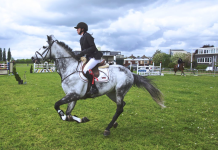
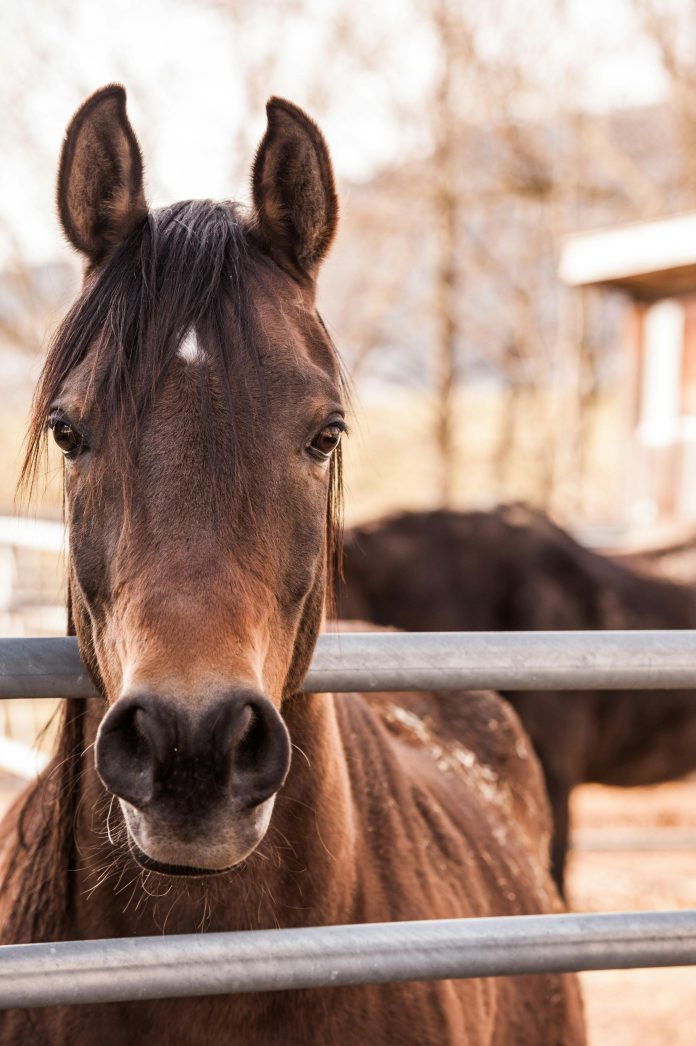
The better your photographs, the more likely you’ll be to attract buyers. Make sure that you’re framing each shot nicely and that you’re showcasing the best qualities of the animal. This is where professional horse photographers tend to thrive. In some cases, you might elect to shoot a video so that buyers can see the horse in motion.
Transporting a horse involves quite a complex set of logistics. If you overlook something, then you might end up spooking or even injuring the horse while it’s in transit. Make sure that the horse is comfortable being loaded into a trailer and handled by people who aren’t you.
Things to be careful of
There are a few red flags to consider. If buyers are offering money before they’ve seen the horse, or looking to receive the animal overseas, then you might have cause for alarm. Fraud is rife in this market, so make sure that you have the funds secured before you ship anything. Secure payment platforms, like PayPal, might offer you an additional degree of protection. But be cautious, first and foremost; don’t hand over any personal information to people you don’t know.
It’s also worth protecting your online privacy more generally. You might adopt a principle of caution when it comes to engaging with complete strangers on the internet. Installing simple software, like a VPN Chrome extension, can also be helpful.
Buying tips
Before buying, you’ll want to ensure that the horse is appropriate to the person who will ride it (or otherwise use it), and that you have the facilities and budget to accommodate it. Like a car, a horse comes with ongoing costs, as well as up-front ones, and you’ll need to factor these into your decision ahead of time. The pre-purchase viewing should be considered mandatory, and you’ll want to bring a vet along for extra reassurance.