
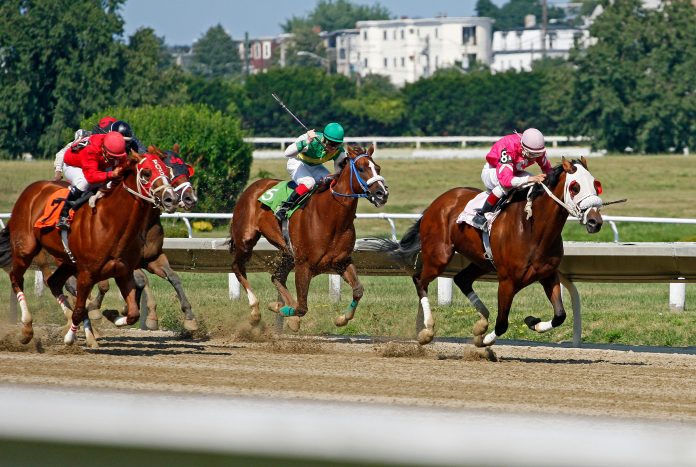
The Belmont Stakes is a defining moment in the American horse racing calendar. Held as the final leg of the Triple Crown, it draws attention from experienced bettors and newcomers alike. Understanding how odds are shaped ahead of race day can offer clarity in a fast-moving market.
This article breaks down the core elements that influence Belmont Stakes odds. By focusing on practical insights rather than surface-level observations, readers can better interpret price shifts and understand why certain horses attract attention.
Those already navigating sports betting markets will recognize most of these patterns — but the Belmont adds layers that even experienced bettors sometimes underestimate.
Horse Form and Recent Performance
Recent performance is one of the strongest indicators used when setting Belmont Stakes odds. Analysts closely examine how each horse has performed in its last few races. This includes finishing position, pace, and competition level.
Consistency often carries weight. Horses that maintain steady results across graded stakes races tend to attract stronger support. A single standout performance may gain attention, but repeated results create confidence among oddsmakers.
Key aspects that influence evaluation include:
- Speed figures that measure how fast a horse ran under specific conditions,
- Strength of competition faced in previous races,
- Running style and adaptability during different race scenarios.
Form isn’t just about finishing first. It’s about how a horse competes throughout the race. A strong late push or the ability to maintain pace under pressure can influence perception.
Bettors reviewing belmont stakes odds often notice that horses with reliable recent form tend to hold shorter prices. This reflects both statistical backing and market confidence.
Track Conditions and Distance Factors
The Belmont Stakes is currently being run at Saratoga Race Course in Saratoga Springs, New York, while Belmont Park undergoes major renovations. This shift changes how bettors should evaluate distance, stamina, and race dynamics.
Unlike the traditional one and a half mile Belmont Park layout, Saratoga presents a different test. The track features tighter turns and a configuration that places greater emphasis on positioning and balance rather than pure endurance.
Not all horses adapt equally to this setup. Some runners built for long, sweeping tracks may find Saratoga less forgiving, especially if they rely on gradual momentum. Others that handle tighter turns and maintain rhythm through transitions may gain an edge.
Trainer and Jockey Influence
The experience and track record of trainers and jockeys are key components in shaping Belmont Stakes odds. These individuals bring strategy, preparation, and race-day decision-making that directly impact performance.
Top trainers often have a history of preparing horses specifically for high-profile races. Their ability to manage conditioning, rest periods, and race schedules adds credibility to their entries. This often results in increased market attention.
Jockeys also play a crucial role. With the race taking place at Saratoga, experience at this track becomes more relevant. Jockeys who understand the tighter turns and shifting pace scenarios may be better positioned to guide their mounts effectively.
When evaluating contenders, analysts look at:
- Trainer success rates in major stakes races,
- Jockey experience at Belmont Park,
- Previous collaborations between trainer and jockey.
Strong partnerships tend to attract interest. This is reflected in how odds are set and adjusted. Once bettors recognize these human factors, they provide a clearer view of how preparation and execution contribute to overall expectations.
Market Movement and Public Sentiment
Odds are not fixed. They change as more money enters the market and public opinion begins to take shape. In the days before the Belmont Stakes, pricing can move several times as bettors react to new information and growing media attention.
When a large share of bets goes toward one horse, the odds often shorten. That shift doesn’t always mean the horse is objectively stronger. In many cases, it reflects momentum created by attention, familiarity, or confidence from the public. Horses with high visibility often draw support earlier and more consistently.
Post Position and Race Dynamics
Post position is another factor that can influence Belmont Stakes odds. The starting gate location affects how a horse enters the race and establishes position early on.
In longer races like the Belmont Stakes, positioning is still important. Horses starting from wider gates may need to adjust their strategy to secure a favorable spot without expending too much energy.
Race dynamics also come into play. The number of horses in the field and their running styles shape how the race is expected to unfold. A field with several front-runners may lead to a faster early pace, while fewer speed horses can result in a more controlled tempo.
Analysts evaluate:
- Historical performance from specific post positions,
- Interaction between different running styles in the field,
- Likely pace scenarios based on entries.
These elements contribute to how odds are set. They provide insight into potential race flow without relying on speculation.