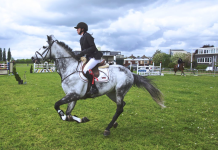


Setting odds for major equestrian events is a complex process that incorporates probability calculations, market sentiment, and continuous information updates. Knowing how odds are established enables fans to better interpret what the markets signal regarding each horse’s chances. Each price displayed is the result of data analysis, expert evaluation, and ongoing adjustments.
Whether you are an experienced horse racing enthusiast or attending a major equestrian event for the first time, understanding how odds are determined can help you interpret both market perspectives and what those numbers convey for each competitor. Odds do more than list potential payouts; they offer insight into how bookmakers and participants perceive each event’s contenders. For instance, when viewing premier league odds, you will notice that principles such as pricing, statistical evaluation, and probability apply similarly in equestrian sports, drawing a parallel between these betting markets.
How odds reflect probability and market changes
Odds are intended to represent the likelihood of each possible outcome, based on all available data at a specific time. Bookmakers convert these estimated probabilities into odds formats that indicate potential payouts and implied chances. It is important for spectators to recognize the difference between posted odds and the actual likelihood of a horse winning.
Implied probability refers to the bookmaker’s estimate of a horse’s winning chance, adjusted to include their margin, known as the overround, which protects bookmakers over time. As betting occurs and new information becomes available, odds are updated to reflect shifts in overall market opinion or significant wagers.
The dynamic nature of odds means they serve as a real-time barometer of collective market intelligence and sentiment. When significant money enters the market on a particular horse, bookmakers must balance their liability by adjusting the odds downward on that selection while potentially lengthening prices on others. This balancing act ensures that regardless of the outcome, the bookmaker maintains a profitable position across all possible results. Understanding this mechanism helps observers distinguish between genuine shifts in a horse’s perceived chances versus simple market mechanics responding to betting volume. The overround built into the odds structure typically ranges from 110% to 125% in competitive equestrian markets, meaning the sum of all implied probabilities exceeds 100%, representing the bookmaker’s theoretical profit margin.
Traders, models, and timing in odds formation
Professional traders and oddsmakers set opening odds using statistical models, form analysis, and their specialized knowledge. Initial odds often rely highly on expert assessment and predictive data due to limited early betting activity. These initial figures serve as a market reference once betting opens to a broader public.
As more participants place wagers, market liquidity increases and odds respond to new betting patterns. While automated tools help manage market risk, human expertise remains essential, especially at prestigious equestrian events where sudden news or tactical changes can cause rapid odds shifts. Early markets reward in-depth analysis, and late stages require prompt reactions to fresh developments and fluctuations.
Performance data, connections, and race conditions
Creating odds involves a close examination of each horse’s recent performances, historical records, and suitability for race conditions including distance and surface. Traders evaluate finishing positions, consistency, and speed figures, combining these with reports on current health and readiness.
The reputation and track record of jockeys, trainers, and owners can also influence the odds. While premier league odds often account for team and player backgrounds, equestrian markets factor in the influence of connections and likely strategies. In large races, additional factors such as pace scenarios, starting stall, and anticipated running positions play a critical role, prompting further adjustments before the event starts.
Market reactions, information quality, and reading prices
Odds are subject to ongoing adjustment as bets are placed, sentiment shifts, and new information is processed. Heavy betting on one horse may cause a rapid shortening of its price, which could indicate increased confidence in that entry or a reaction to fresh, significant information. However, sometimes these changes reflect uncertainty rather than a real improvement in a horse’s prospects.
Accurate, timely reporting of developments, such as scratches or late changes, is essential for maintaining fair and representative markets. Because odds embody a blend of assessment, consensus, and expectations, it is helpful for participants to remember that they are not definitive predictions but dynamic measures informed by a constantly changing flow of data.