
By AOIFE LEGGETT
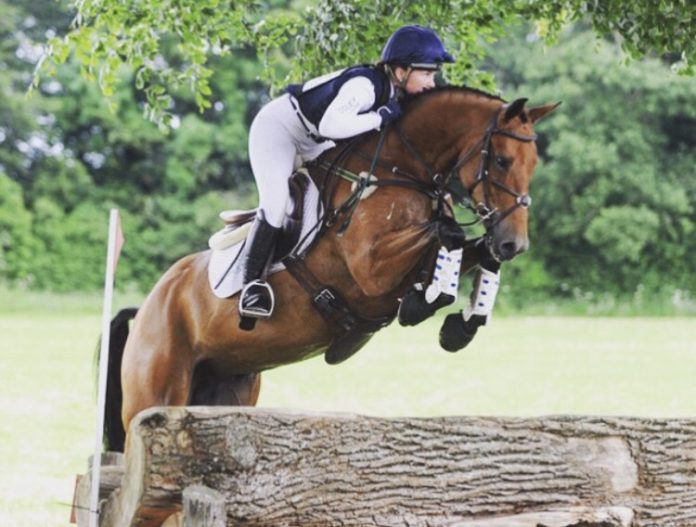
In equestrian sports, there is a unique connection between horse and rider. While much attention is given to the horse’s fitness, health, and training, it’s equally important for riders to consider their own physical and mental well-being. As a performance and mindset coach specializing in equestrian sports, I have seen how fitness can improve a rider’s feel, strength, and confidence, further enhancing their connection with the horse. This article outlines why a balanced fitness routine is important for riders, detailing specific benefits and effective approaches to optimize each workout.
Why Movement is Essential for Equestrians
Riding demands strength, balance, mental clarity, and resilience; all of which can be cultivated and improved through a consistent and dynamic exercise routine. Movement not only builds physical fitness but also acts as a form of self-care, reducing stress, supporting mental health, and ultimately preventing injury. For riders, the goal is not to follow a “one-size-fits-all” routine but to develop a well-rounded program that is sustainable, enjoyable, and effective.
Key Benefits of Movement for Riders
- Injury Prevention and Physical Resilience
Riding is physically demanding, and a focused exercise regimen helps prevent injuries by strengthening key muscles, especially around the core, hips, legs, and back. Strong, stable muscles enable riders to adapt to their horse’s movement while reducing the risk of strains, falls, or imbalances that can lead to injuries over time. - Enhanced Bone Density and Muscle Strength
Weight-bearing exercises are crucial for bone health and muscle maintenance, particularly as we age. Resistance training supports bone density, preventing osteoporosis and strengthening muscles to ensure riders remain physically healthy and resilient for years to come. - Improved Balance and Core Stability
Balance and core strength are critical for maintaining control and harmony in the saddle. Core-centered exercises, such as Pilates or functional strength training, improve engagement, alignment, and stability, enabling a rider to move more naturally with the horse and maintain better posture. - Cardiovascular Endurance and Stamina
Intense riding sessions, cross-country schooling, and competitions require stamina. Cardio activities like running, cycling, or rowing build cardiovascular endurance, ensuring riders can maintain energy and focus without fatigue, allowing for calmness and control in demanding situations. - Stress Relief and Mental Clarity
Physical activity is a powerful tool for managing stress and mental clutter. The release of endorphins during exercise boosts mood and reduces anxiety, helping riders clear their minds and return to their training with renewed focus and confidence. This clarity is crucial for riders who face high-pressure situations that require quick, precise decision-making. - Building Mental Resilience
Cross-training outside of riding helps riders build mental toughness and a growth mindset. Physical challenges, such as high-intensity training or strength-building exercises, train riders to embrace discomfort and adapt to challenges, qualities that translate into improved focus, confidence, and composure in the saddle.
Creating a Balanced Fitness Program
To achieve the best results, it’s essential for riders to balance strength, cardio, and flexibility work. A holistic approach supports both physical performance and mental well-being, promoting longevity and enjoyment of the sport.
My Movement Routine: A Balanced Approach
Here’s a glimpse into my routine, designed to build strength, endurance, and resilience for both physical and mental agility:
- Strength Training (3x per week)
My foundation is full-body weight training, focusing on compound lifts—such as squats, deadlifts, bench presses, shoulder presses, and bent-over rows. These exercises engage multiple muscle groups, building strength and stability. I incorporate unilateral exercises (like lunges and single-leg deadlifts) and core work to enhance balance and stability. - Cardio Sessions (2x per week)
Cardio is crucial for endurance and heart health. I enjoy outdoor activities, so one session is typically an outdoor run. The second session is often a high-intensity interval training (HIIT) workout, which provides short, intense bursts to keep my cardiovascular system sharp and varied. - Reformer Pilates (1x per week)
Pilates offers focused core strengthening, balance, and flexibility work, which are invaluable in the saddle. This low-impact workout supports posture and injury prevention by enhancing control and precision in movement. - Daily Movement
I integrate movement throughout my day with a lunchtime or evening walk, and on weekends, I aim for a longer hike or run.
Training Tips: Getting the Most from Your Workout
If you’re new to strength training, consider working with a qualified coach. Learning the correct form is essential for injury prevention and effective progression. If one-on-one coaching isn’t feasible, small group classes with attentive trainers can provide valuable guidance on form and technique. Here are a few key tips for effective strength training:
- Progressive Overload
Gradually increase the weight or intensity of exercises over time. This progression builds strength while reducing the risk of plateauing. Focus on foundational lifts like squats, deadlifts, and presses, complemented by accessory exercises to build a well-rounded routine. - Program Cycles
Structured training blocks with shifts in focus (e.g., hypertrophy, strength, power) keep workouts effective and prevent injury by avoiding sudden overload and repetitive strain. Think of it as applying the same approach used in bringing a horse back into work—building both the length of sessions and intensity slowly over time. - Mix of Cardio for Comprehensive Conditioning
Combining different cardio types supports all three energy systems: aerobic (steady-state efforts like a run), anaerobic (moderate bursts), and ATP-PC (high-intensity, short bursts). This approach builds endurance, stamina, and power.
The Takeaway: Movement as the Foundation of Rider Success
Integrating strength, cardiovascular, and functional training creates not only a stronger rider but also a more resilient, balanced, and happier individual. Movement isn’t just about fitness; it’s an essential part of a well-rounded lifestyle. Prioritizing this balance allows riders to stay sharp, confident, and fully engaged, both in and out of the saddle.
About the Author
Aoife Leggett is an accredited Mindset and Performance Coach and Breathwork Teacher with over 15 years of experience in the equine industry. She has worked with industry leaders such as Cooley Farm and has traveled across Europe and the USA, supporting riders and competing at an international level.

Passionate about empowering her clients to achieve their full potential while leading happy and healthy lives, Aoife is renowned for her in depth knowledge of the equestrian industry and her ability to help individuals perform consistently, build confidence, and thrive under pressure.
Get in Touch
Email: aoife@threesixtycoaching.ie
Phone: +353 85 163 6590
Website: www.threesixtycoaching.ie
Instagram: @aoifeleggettcoach
TikTok: @aoifeleggettcoach