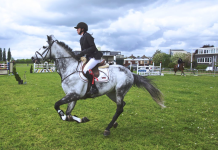

All riders feel the stress of the show arena. Whether a local school show or a national showpiece, the setting demands composure, confidence and control. The stakes seem high, the adrenaline pumps in and even the most veteran competitors feel the jump in nerves. It is not a coincidence that the skills honed in riding translate into the world beyond the arena, even in such situations as internet betting, where concentration and discipline are just as paramount.
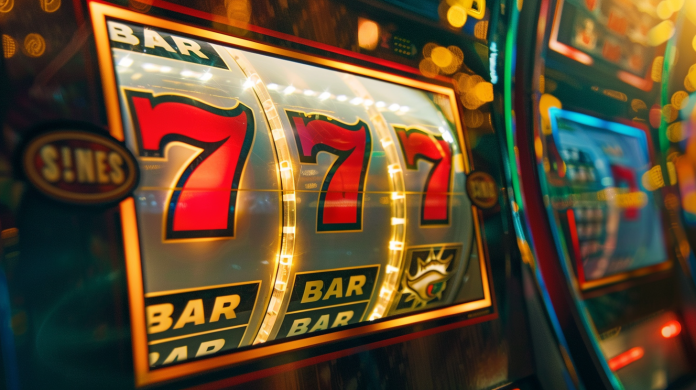
In an increasingly technology-driven and on-demand world, more equestrians encounter real-money gambling sites when they’re not competing or on the road. But with access comes accountability and the tactics riders learn when under duress hold valuable lessons for withstanding the temptations that inevitably accompany these digital detours.
Mental Conditioning
In the arena, there is no time for uncertainty. A rider moving into a course must silence the mental and ambient noise and rely on preparation rather than reflex response. That mental conditioning starts far earlier than the commencement of the first round, influenced by routine, repetition and disciplined learning. Riders know how rapidly one distraction will result in a rail down or an accidental lead change. The price of losing one’s focus is immediate and in full view.
The same self-discipline is used as a tool outside of the arena. With increasingly popular online gambling sites, the convenience of a discreet bet on the way out the door for lunch or before bed might seem innocuous. But if there is no internal check, these little bets can go on a course that is not intended. For regulars at online casinos for real money, awareness of one’s emotional cues—stress, boredom, disappointment—is a built-in protection net.
Impulse Control
Riders make scores of minute decisions on each ride. Push forward or wait? Take an extra stride with a leave-out? So much of it is a matter of instinct tempered with self-control. There is no panic, no reflex response—just deliberate action. The same principles hold for controlling gambling.
Online gambling is not reckless in itself, any more than an aggressive line to a vertical is dangerous. The problem is when one’s instinct abandons its partner in judgment. Here, riders have a distinct advantage. Decades of practice and resultant patience enable them to distinguish when a choice is dictated by anger instead of sense.
For example, the compulsion to “chase a loss” on a casino game is similar to the compulsion to override a refused horse, emotion-based. Both require the same training: stop, regroup and re-approach. The same systematic way of doing things can make gambling action more mindful and deliberate.
Structure and Routine Matter
Equestrians live by a schedule: feed times, practice sessions, course walks. Even show days follow a schedule: start times and warm-up sessions. A structured way of thinking can make it easier to handle casino-type environments that don’t have inherent limits. It is easier to limit game time when one already has the skill of doing a full day with precision.
Establishing self-created “rituals” around play, such as allocating specific times for playing games or establishing financial limits before signing in, reflects the type of organization riders already apply to their riding objectives. It is not a matter of prohibition but of balance and intention.
Environmental Awareness and Peer Influence
A rider must stay alert for things in the warm-up arena—a passing horse, ambient noise, spotty footing—and a gambler must remain vigilant for factors that affect them. A rider is instructed to react and adjust on the fly. This skill is also necessary when resisting peer pressure or a social gambling convention.
Being part of a barn culture does imply shared understanding and mutual accountability. Riders are accustomed to discussing strategy, performance and even failure. Bringing that same openness of behavior to gambling is the key to preventing secrecy and shame. A swift and straightforward discussion with a barn mate over the compelling nature of online games is the type of check-in that stops dangerous habits.
The Life of a Reflective Being
One of the most critical aspects of riding is the post-ride self-reflection. How did it go? How might it improve? Riders maintain journals, watch recordings and discuss issues with trainers. It’s a self-awareness-based process. The same reflection habit is priceless when it comes to gambling responsibly.
Following a session of play or a few hours’ play at an online casino, a reflective attitude matters most. Was time wisely spent? Did one enjoy it or was the activity influenced by stress or a sense of disappointment? Just as a bad ride does not make a rider, one hasty bet does not make a person. But the lessons become ingrained if one takes a moment to consider what there is to learn.
Riding Forward with Focus
The equestrians are particularly well-suited to handle the pitfalls of online gambling with poise. The same skills that one develops from riding a saddle—discipline, schedule, impulse regulation and self—reflection—are the same skills that cultivate healthy, thoughtful habits in real life. With digital temptations merely a tap away in culture, the composure gained in the arena is more than a string of ribbons, but clarity.
As with the show ring, real success is not achieved by winning every round but by knowing when to go forward and when to refrain. For equestrians who apply that mindset to all aspects of life, even the bright light of the casino app will not dissuade a person trained to ride with intent.