
Few phrases are used more often in the hunter ring than easy to ride. It’s used to describe an ideal hunter, but the meaning can feel vague. In Geoff Teall on Riding Hunters, Jumpers, and Equitation, Geoff Teall gives that phrase definition. An easy hunter is not just attractive or talented. He is a horse whose way of going suggests comfort, reliability, and enjoyment in his work.
Understanding what “easy to ride” actually looks like helps riders present their horses more effectively and evaluate rounds more honestly. It also clarifies why some horses consistently place well without appearing flashy or dramatic.
Ease Is a Quality, Not a Trick
In hunter judging, ease is not something that can be manufactured in the ring. It is the result of balance, rhythm, training, and temperament coming together naturally. The horse that looks easy does not appear to be trying hard. He simply does his job.
Teall describes the hunter ideal as a horse that is beautiful, consistent, and willing—one he would “happily ride for miles on a fox hunt.” That description says more about ease than any checklist. The horse that could comfortably carry a rider all day must conserve energy, stay relaxed, and move efficiently. Those same qualities define an easy hunter in the show ring.
Relaxation Is the Foundation
An easy hunter is relaxed. That relaxation shows in every part of the round. The horse moves forward without rushing, maintains rhythm without being held together, and jumps without tension. Teall emphasizes that quality is the hunter’s hallmark, and quality depends on relaxation. A tense horse cannot move fluidly. He cannot maintain consistent form. He cannot look like he enjoys his job.
Straightness and Balance Over the Fence
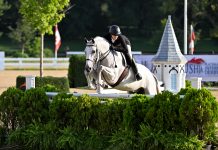
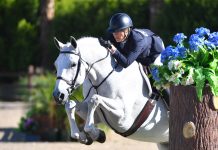
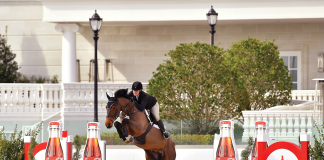
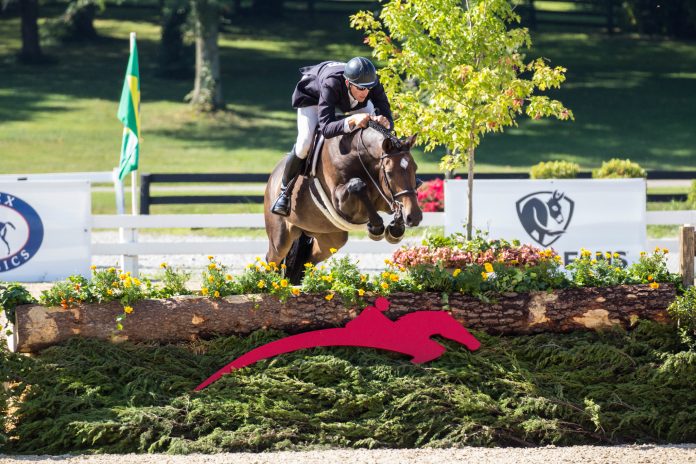
Ease and natural ability are especially apparent jumping. The easy hunter stays straight through the middle of each fence. His body does not twist. His front legs are folded neatly, with knees even and lifted. His head and neck stretch out and down as his topline rounds over the jump.
These details matter because they suggest balance and confidence. A horse that jumps straight and consistently looks like he understands his job. He does not appear to be fighting his body or reacting unpredictably.
Teall notes that the smoothest round with the best jumping efforts will win the class. Smoothness is inseparable from ease. It is what allows the round to flow without interruption.
Movement That Looks Effortless
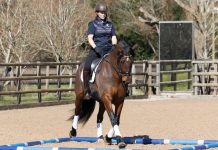
On the flat, ease shows in how the horse moves across the ground. The ideal hunter moves fluidly, with minimal knee action and a ground-covering stride. He does not look hurried, heavy, or mechanical.
An easy hunter maintains the same quality of movement whether traveling down the long side, bending through a corner, or approaching a fence. The pace stays consistent. The rhythm stays intact. There is no sense of scrambling to get organized.
Judges reward this consistency because it creates the impression that the horse could repeat the performance again and again without strain.
Expression Tells the Story
A horse’s expression plays a significant role in whether he appears easy to ride. Teall lists common faults that interrupt the picture, including pinned ears, tail swishing, open mouths, and unhappy expressions. These signs suggest resistance, discomfort, or tension.
By contrast, an easy hunter appears content. His ears are generally up or neutral. His eye is soft. His body language suggests willingness rather than protest.
Expression matters because it communicates how the horse feels about his job. A horse that looks happy doing his work reads as easier than one that looks begrudging or stressed—even if both jump the course cleanly.
The Rider’s Influence Matters
Although riders are not technically judged in hunter classes, their influence is unmistakable. Teall points out that the more relaxed the rider is, the better the horse will appear to the judge. An easy hunter often has a quiet rider who allows the horse to stay in balance and rhythm without interference.
Excessive visible aids, constant adjustment, or visible tension from the rider disrupt the illusion of ease. The horse may still perform the task, but he no longer looks effortless.
Good hunter riding often feels understated. When it is done well, the rider almost disappears into the picture, allowing the horse’s way of going to take center stage.
Ease Is Consistency Over Time
Perhaps the most important aspect of being easy to ride is consistency. An easy hunter does not rely on moments of brilliance. He delivers the same quality jump after jump, trip after trip.
Judging begins the moment the horse enters the ring and lasts until he leaves. Ease must be present throughout—not just at the fences. A horse that starts tense and improves, or starts well and fades, interrupts the picture judges are evaluating.
When riders understand what judges mean by “easy to ride,” priorities shift. The focus moves away from chasing perfection or impressiveness and toward preserving rhythm, relaxation, and balance. Presentation becomes less about doing more and more about allowing the horse to stay comfortable in his work.
Teall’s description of the hunter ideal is ultimately simple. The best hunter is the one that looks like he enjoys his job and could do it all day. That impression—of comfort, willingness, and consistency—is what makes a hunter truly easy to ride in the judge’s eye.
Read more of Geoff Teal’s riding philosophy in Geoff Teall on Riding Hunters, Jumpers and Equitation: Develop a Winning Style on Audible and Kindle.