

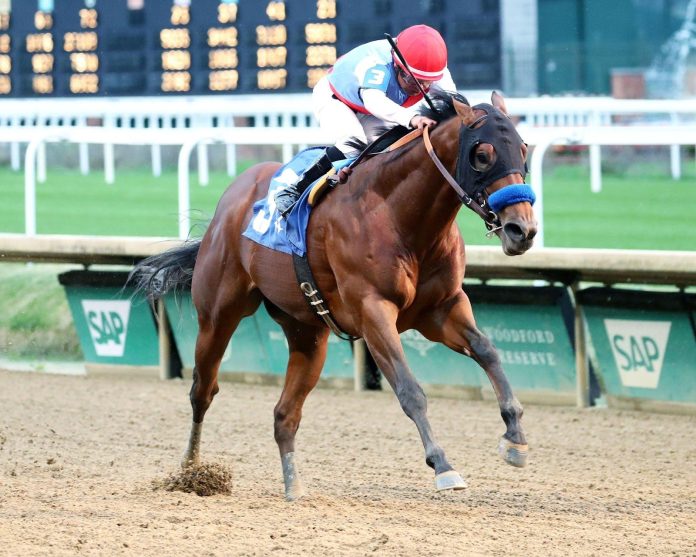
Horse racing without betting is something most people have never experienced. The two developed together, sharing the same history, economics, and audience in a way few other sports replicate. When millions place a wager on a single race like the Grand National each year, it becomes clear that for many, the betting is part of the spectacle itself. Some spectators may forget the winning horse days later, but they remember what they staked and what they hoped to win. That connection between race and wager has existed for more than 400 years and remains central to the sport’s identity.
The Roots Go Back to the 1600s
Betting on horse racing began taking structured form in Britain during the early 1600s under King James I. Horses were already bred for speed and stamina, and spectators quickly attached money to their opinions. Early wagers were private agreements between individuals backing different horses. While effective at small meetings, this system could not scale as racing grew in popularity.
By the 19th century, professional bookmakers had become fixtures at racecourses, setting odds and accepting public bets. Around the same time, the pari-mutuel system emerged, pooling wagers and distributing winnings from a shared fund after deductions. These systems provided racing with financial stability. Prize money, stable operations, veterinary care, and racecourse maintenance increasingly depended on betting revenue. From that point on, wagering was not just an addition to the sport—it was part of its infrastructure.
Money Tells the Story
Modern data reinforces this connection. The global horse betting market was valued at over $44 billion in 2022 and is projected to grow significantly by 2032. In the United States, annual wagering reaches into the billions, while the UK continues to see strong betting turnover at major festivals like Aintree.
These figures matter because they directly support the sport. Purse money comes from wagering handles. Owners are drawn to competitive prize structures. Trainers, jockeys, grooms, breeders, and track employees all operate within a system largely funded by betting activity. Remove that funding stream, and the scale of modern racing would contract quickly.
Stretching Your Bankroll at the Betting Window
Horse racing has always appealed to bettors who enjoy analysis as much as action. Unlike many sports, it offers multiple race types and wagering formats, from simple win bets to exactas and multi-race combinations. That flexibility allows bettors to manage risk across a full race card.
Experienced players often emphasize bankroll discipline over chasing longshots. Using past performance data, promotional incentives, loyalty programs, or even a well-timed sportsbook bonus code can stretch a budget across ten or more races in a single afternoon. A consistent staking plan and race-by-race tracking keep the experience controlled rather than impulsive. The analytical dimension of wagering contributes significantly to racing’s lasting appeal.
The Kentucky Derby as a Case Study
The Kentucky Derby highlights how inseparable betting and racing have become. Recent editions of the race have generated hundreds of millions of dollars in wagering on a single day. Yet the race itself lasts only about two minutes.
What fills the rest of the time is analysis—handicapping discussions, odds movement, pace projections, and post-race debates. For spectators, placing a wager transforms those two minutes into something more personal. The financial stake intensifies engagement and deepens emotional investment. That mechanism has been part of racing culture for centuries.
Why Other Sports Never Matched This Bond
Many sports now support substantial betting markets, but they were not built around wagering from the beginning. Football, basketball, and baseball existed first as competitive spectacles. Betting attached later as a parallel industry.
Horse racing developed differently. Race meetings were organized with betting in mind. Tote boards display live odds. Races are spaced out to allow wagering between events. Even race programs are structured to assist bettors in forming opinions. Removing the betting element would not simply reduce revenue—it would fundamentally alter how the sport functions.
Conclusion
Betting on horse racing is not a modern addition; it is foundational. From private wagers in the 17th century to today’s online platforms and global betting pools, wagering has shaped how races are funded, organized, and experienced.
The financial framework supporting owners, trainers, jockeys, breeders, and racecourses depends heavily on betting markets. The reason horse racing betting feels synonymous with the sport is straightforward: they evolved together and continue to operate as one integrated system. The horses run, spectators form opinions, and money follows those convictions. That formula has endured for centuries and remains central to racing’s identity today.