

Slot machines—often simply called “slots”—are among the most recognizable and widely played casino games in the world. From their mechanical beginnings in the late nineteenth century to today’s immersive digital experiences, slots have continuously evolved alongside technology and player preferences. Their blend of simplicity, excitement, and the potential for life-changing jackpots has cemented their place at the heart of the global gaming industry.
The Origins of Slot Machines
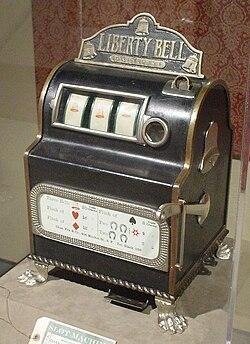
The first true slot machine was invented in 1895 by Charles Fey in San Francisco. Known as the Liberty Bell, this mechanical device featured three spinning reels with symbols such as horseshoes, stars, and bells. Players would insert a coin, pull a lever, and hope the reels aligned in a winning combination. The highest payout came from three Liberty Bell symbols, giving the machine its name.
Early slot machines were purely mechanical, relying on gears, springs, and levers. They quickly gained popularity in bars and saloons, offering small prizes like drinks or cigars. Over time, as regulations evolved and gambling became more formalized, slot machines found a permanent home in casinos.
The Rise of Electromechanical and Video Slots
In the 1960s, slot technology took a major leap forward with the introduction of electromechanical machines. These new devices used electrical components to power the reels and payout systems, allowing for larger jackpots and more complex features. The mechanical lever became less essential, though it remained as a nostalgic design element.
The next revolution arrived in the 1970s and 1980s with video slots. Instead of physical reels, these machines used digital screens to simulate spinning symbols. This innovation dramatically expanded the possibilities for game design. Developers could now include multiple paylines, bonus rounds, animated graphics, and themed storytelling elements.
Video slots also introduced Random Number Generators (RNGs), which determine the outcome of each spin. Rather than relying on physical reel positions, RNG software ensures that each result is independent and random, enhancing fairness and unpredictability.
How Slot Machines Work
At their core, modern slot machines operate using RNG technology. When a player presses the spin button (or pulls the lever), the RNG instantly selects a combination of symbols. Even if the reels appear to spin for several seconds, the outcome has already been determined at the moment the button is pressed.
Most slots feature:
- Reels and Paylines: Reels display symbols, while paylines define the patterns that produce winning combinations.
- Bet Options: Players can choose how much to wager per spin.
- Bonus Features: Free spins, multipliers, and mini-games increase engagement.
- Jackpots: Fixed or progressive jackpots offer substantial payouts.
Progressive jackpots are particularly popular. In these games, a small portion of each bet contributes to a growing prize pool. Some progressive jackpots have reached tens of millions of dollars, drawing players worldwide.
The Digital Transformation: Online and Mobile Slots
The internet era transformed slot gaming once again. Online casinos began offering digital versions of traditional slot machines, allowing players to spin from their computers. Soon after, mobile gaming made slots accessible anywhere with a smartphone or tablet.
Online slots often feature enhanced graphics, cinematic soundtracks, and elaborate themes inspired by mythology, movies, or pop culture. They may include interactive bonus rounds that feel more like video games than traditional casino machines.
The digital format also enables innovative mechanics such as cascading reels, expanding wilds, and cluster pays systems. These new formats keep gameplay fresh and appealing to both new and experienced players.
Why Slots Are So Popular
Several factors contribute to the enduring appeal of slot machines:
- Simplicity: Unlike poker or blackjack, slots require no strategic knowledge. Players simply spin and wait for the outcome.
- Entertainment Value: Vibrant visuals, sound effects, and themes create an engaging experience.
- Accessibility: Slots are available in physical casinos, online platforms, and mobile apps.
- Jackpot Potential: The possibility of a massive payout adds excitement to every spin.
Slots also cater to a wide range of budgets. Players can wager small amounts for casual entertainment or place higher bets for greater rewards.
Responsible Gaming and Regulation
As with all forms of gambling, responsible gaming is essential. Modern casinos and online platforms are regulated by gaming authorities that enforce fairness standards and promote player protection. Features such as deposit limits, self-exclusion tools, and session reminders help players maintain control.
Understanding concepts like Return to Player (RTP) percentages and volatility can also help players make informed choices. RTP indicates the theoretical percentage of wagered money a slot will return over time, while volatility measures the frequency and size of payouts.
The Future of Slot Gaming
The future of slot machines is closely tied to technological innovation. Virtual reality (VR) and augmented reality (AR) may create fully immersive casino environments. Artificial intelligence could personalize game recommendations based on player behavior. Blockchain technology might further enhance transparency and trust in online gaming.
Despite these advancements, the fundamental appeal of slots remains unchanged: a simple game of chance that offers moments of anticipation, excitement, and the thrill of possibility.
Conclusion
From the mechanical Liberty Bell to today’s sophisticated online platforms, slot machines have undergone remarkable transformation. Yet their essence—a straightforward, chance-based game with the potential for reward—continues to captivate millions of players worldwide.
Whether experienced in a bustling casino or on a smartphone at home, slots remain a central pillar of the gaming industry. As technology evolves, so too will the design and delivery of slot games, ensuring their place in entertainment for generations to come.