

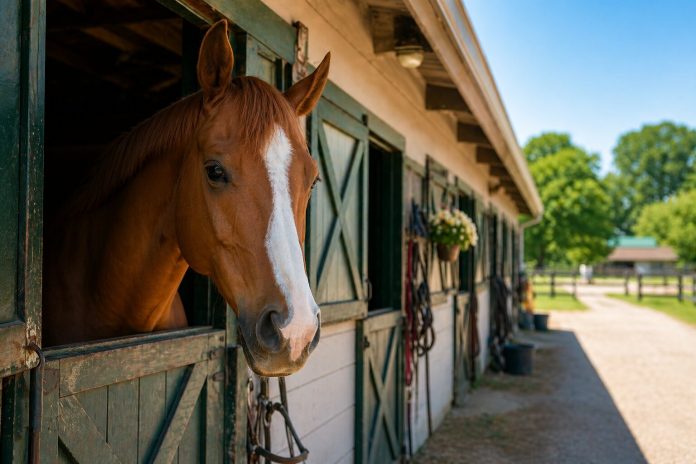
Horse ownership is a rewarding experience, but it also comes with significant responsibility. One of the most important decisions a horse owner must make is choosing the right boarding facility. Horse boarding provides a safe, structured environment where horses receive proper care, feeding, and shelter when owners cannot accommodate them at home. Whether you are a first-time horse owner or an experienced equestrian, understanding horse boarding options can help you make the best decision for your horse’s well-being.
What is Horse Boarding?
Horse boarding refers to keeping your horse at a facility where professionals provide daily care. These facilities, often called stables or barns, offer services such as feeding, cleaning stalls, turnout, and sometimes training or riding assistance. Boarding is ideal for individuals who do not have the land, time, or resources to care for a horse independently.
Types of Horse Boarding
There are several types of horse boarding arrangements, each designed to meet different needs and budgets.
1. Full-Service Boarding
Full-service boarding is the most comprehensive option. It includes feeding, stall cleaning, grooming, and regular exercise. Some facilities also offer training sessions and veterinary coordination. This option is perfect for busy owners who want complete care for their horses.
2. Partial Boarding
Partial boarding allows owners to share responsibilities with the facility. While the barn provides essential services like feeding and shelter, owners may be responsible for grooming or exercise.
3. Self-Care Boarding
Self-care boarding is the most affordable option. The facility provides space, but owners handle all aspects of horse care, including feeding, cleaning, and turnout.
4. Pasture Boarding
In this arrangement, horses live outdoors in a pasture with access to shelter. It is a more natural environment and often less expensive, though it may not suit all horses.
Key Factors to Consider When Choosing a Boarding Facility
Selecting the right boarding facility involves more than just cost. Here are some critical factors to evaluate:
Location
Choose a facility that is easily accessible. Frequent visits are essential for monitoring your horse’s health and maintaining a strong bond.
Quality of Care
Observe how the staff interacts with horses. Clean stalls, fresh water, and healthy animals are signs of a well-managed facility.
Safety and Security
Ensure the barn has proper fencing, secure gates, and safe riding areas. Emergency protocols should also be in place.
Facilities and Amenities
Look for features such as riding arenas, trails, wash racks, and tack rooms. These can enhance your overall experience.
Cost and Contracts
Understand what is included in the boarding fee. Always review contracts carefully to avoid hidden charges.
Benefits of Horse Boarding
Horse boarding offers numerous advantages for both horses and owners:
- Professional care and supervision
- Access to better facilities and equipment
- Opportunities for training and socialization
- Reduced workload for owners
Boarding facilities also create a community of horse enthusiasts, allowing owners to connect, learn, and share experiences.
Challenges of Horse Boarding
While boarding has many benefits, it also comes with some challenges:
- Monthly costs can be high
- Less control over daily routines
- Potential differences in care preferences
However, these challenges can be minimized by choosing the right facility and maintaining clear communication with staff.
Finding the Right Horse Boarding Facility
With so many options available, finding the perfect boarding facility can feel overwhelming. This is where online tools and platforms can make the process easier and more efficient.
One such helpful resource is Horse Boarding Finder. This platform simplifies the search process by connecting horse owners with boarding facilities in their area. Instead of relying on word-of-mouth or time-consuming research, users can quickly explore multiple options in one place.
Horse Boarding Finder gives boarders a clear, map-based view of barns in their area along with current stall availability. This feature allows horse owners to compare locations, services, and availability at a glance, making it easier to choose the best fit for their needs.
Tips for a Smooth Boarding Experience
Once you have selected a boarding facility, there are several steps you can take to ensure a positive experience:
Communicate Clearly
Establish clear expectations with the barn manager regarding feeding schedules, medical care, and special requirements.
Visit Regularly
Frequent visits help you stay informed about your horse’s condition and build trust with the staff.
Keep Records
Maintain records of vaccinations, vet visits, and feeding routines to ensure consistency in care.
Build Relationships
Developing a good relationship with staff and other boarders can enhance your overall experience and provide valuable support.
The Future of Horse Boarding
As technology continues to evolve, the horse boarding industry is becoming more efficient and accessible. Online platforms, improved facility management systems, and better communication tools are transforming how horse owners find and manage boarding services.
Tools like Horse Boarding Finder are leading this change by making it easier than ever to locate and evaluate boarding options. With features like real-time availability and map-based searches, horse owners can make informed decisions quickly and confidently.
Conclusion
Choosing the right horse boarding facility is a crucial step in ensuring your horse’s health, safety, and happiness. By understanding the different types of boarding, evaluating key factors, and using modern tools like Horse Boarding Finder, you can find a facility that meets both your needs and your horse’s well-being.
Investing time in research and planning will pay off in the long run, giving you peace of mind and allowing your horse to thrive in a supportive environment.