
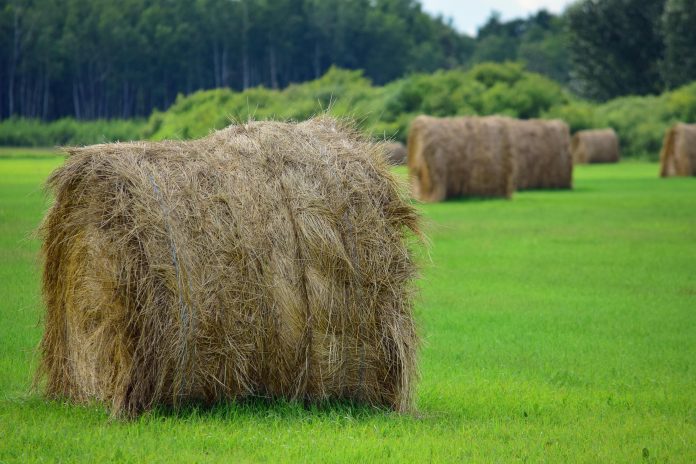
For hunter/jumper riders, the hay in front of your horse does more than fill a stomach. It is the foundation of fueling, recovery, and longevity. In Florida, where humidity, mold pressure, and supply variability all conspire against quality, sourcing the right hay is harder than it looks. Here is what to evaluate before the bale ever hits your stall.
Start With the Fiber Type
Performance horses thrive on a hay program built around three categories.
- Timothy is the gold standard for most show horses. It runs low in sugar, leafy when cut at the right stage, and gentle on the gut. A second-cut Timothy with a strong leaf-to-stem ratio is what most top barns feed.
- Alfalfa brings the calories and protein an actively-jumping horse needs. Premium alfalfa runs 18 to 22 percent crude protein. It is rich enough to feed alone or to blend with grass hay.
- Orchard grass is a forgiving option for hard keepers and picky eaters, with a softer texture that finicky horses accept readily.
Many performance barns settle on a Timothy/Alfalfa or Orchard/Alfalfa mix. The blend smooths out energy delivery and keeps gut motility steady through long show weeks.
Look for Lab Numbers, Not Just a Pretty Bale
Color and smell tell you a hay is not bad. They do not tell you it is good. A real quality program tests every lot through a forage lab like Equi-Analytical and reports back four numbers that matter:
- Crude protein: Performance grass hay should run 10 to 14 percent. Premium alfalfa should run 18 percent and up.
- NDF (neutral detergent fiber): Lower is more digestible. Show-quality grass hay sits in the 50 to 60 percent range.
- NSC (non-structural carbohydrates): Below 12 percent is the safe ceiling for most performance horses, and below 10 percent is required for any horse with metabolic concerns.
- Calcium-to-phosphorus ratio: A 2:1 ratio matters more than most owners realize for bone density and recovery.
If a supplier cannot show you a lab report on the load they just delivered, you are guessing. Independent forage labs like Equi-Analytical run standard packages that report protein, NDF, NSC, and mineral ratios from a single sample. Ask for the report by lot number, not just a generic spec sheet, so you know the numbers belong to the hay actually sitting in your barn.
Western-Grown Hay Has a Florida Advantage
Florida humidity is a stress test for hay storage. Hay grown in the dry intermountain west, especially Nevada’s high desert, is cut and cured under low humidity, baled tight, and arrives in Florida already shelf-stable. Locally grown hay can be excellent, but it has a much shorter window between rain events and a higher mold risk in the bale.
For Florida show barns, bringing in western alfalfa and Timothy through a supplier who buys direct from the farm cuts out one or two middlemen, keeps the hay fresher, and protects price stability load to load.
Storage Matters Almost as Much as Sourcing
A premium bale stored badly is just an expensive bad bale. Three rules:
- Keep hay off concrete: Pallets allow airflow underneath and prevent ground moisture wicking up into the bottom layer.
- Store under a roof, with airflow on the sides: Tarped outdoor stacks lose quality fast in Florida summers.
- Rotate first-in, first-out: Even premium hay loses palatability and vitamin content past nine months in storage.
Build a Relationship With Your Supplier
The single biggest quality variable in hay is supply chain trust. A supplier who knows your barn, your horses, and your discipline will pull the right load for your needs and will own a problem load if one slips through. That kind of relationship is hard to build with brokers and easy to build with a feed store that grows their own hay.
In North Central Florida, Farmers Direct Hay and Feed operates this way. A fifth-generation family operation based in Williston, 22 miles from Ocala, that sources Timothy, alfalfa, and orchard grass from their own Nevada farms, lab-tests every lot through Equi-Analytical, and delivers throughout North Central Florida. For show barns running through the WEC and HITS Ocala circuits, that combination of farm-direct sourcing and local delivery is a real edge.