

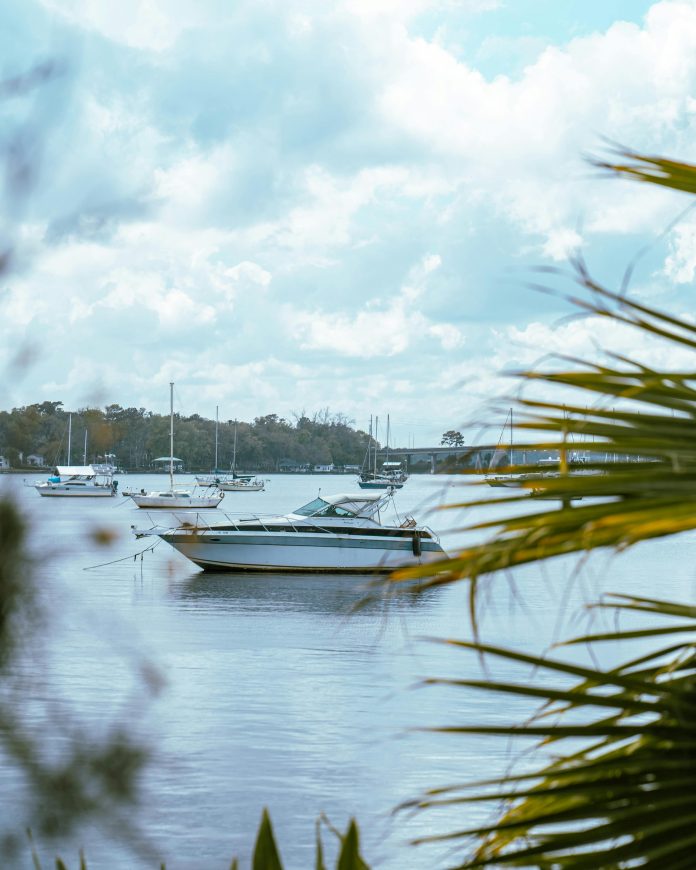
Florida still looks like a nautical fantasy from above—turquoise ribbons of water framing rows of polished hulls. Yet that dream can sink your budget fast. In today’s slip-short market, some buyers pay more than $1 million just to reserve dock space before the yacht exists. The difference between a smart buy and a money pit usually comes down to one word: ownership. Below, we unpack deeded versus leased slips, then summarize seven gated communities on water access, fees, and lifestyle so you can match a harbor to both your boat and your budget.
Deeded versus leased slips: why the fine print decides your budget
A dock is not just a dock.
When the slip is deeded, you get a recorded title similar to the house. That right passes to heirs, can serve as loan collateral, and usually transfers with the property at resale. Because inventory is scarce, deeded slips often trade for $100,000 to $300,000 on their own, and they shield owners from sudden rent spikes.
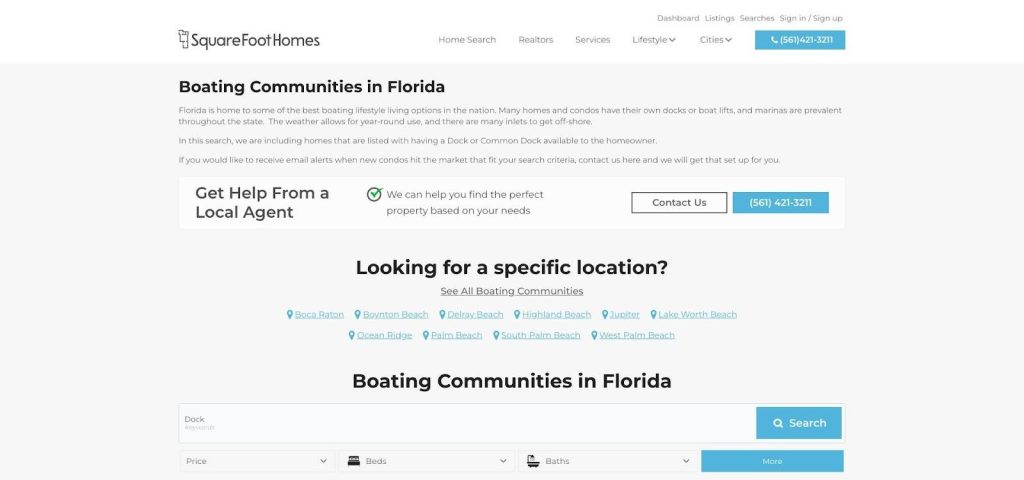
A leased or HOA-assigned berth feels the same on launch day but follows different math. The association owns the structure; you buy only the right to occupy it. That permission renews each year, and the rate can climb without notice. To help buyers gauge those shifting numbers, SquareFoot Homes maintains a constantly updated guide to boating communities in Florida that pulls every MLS listing tagged with a private or common dock—often hundreds of homes from Boca Raton to Jupiter and beyond—so you can filter price, water depth, and slip type in seconds.
SquareFoot Homes Florida boating communities MLS search screenshot
Lenders rarely count a leased slip toward collateral, so you gain convenience but not equity. A deeded berth triggers property tax, dock insurance, and a share of seawall reserves, yet those charges often total less than ten years of rising rent on a comparable leased space. Before falling for a waterfront view, read the survey and the marina bylaws: true ownership secures a lifelong parking spot for your boat, while a lease buys flexibility only as long as the community gate stays open to you.
Cost and lifestyle at a glance
To keep the options straight, here is the quick-scan scorecard we show clients who ask, “Which harbor fits my life?”
| Community | Slip type | Distance to ocean | Median home price | Up-front fees* | X-factor |
| Admirals Cove (Jupiter) | Deeded + leased | 2 mi via Jupiter Inlet | $4 million | $200,000 club | Yacht lock keeps canals barnacle-free |
| John’s Island (Vero Beach) | Leased (few equity) | 10 NM to Ft. Pierce | $5 million | $200,000 club | Old-money vibe, croquet on the lawn |
| The Moorings (Vero Beach) | Mostly deeded + leased | 9 mi to Ft. Pierce | $1 million | $30,000 optional | Beach and river in one golf-cart ride |
| Sailfish Point (Stuart) | Leased | <1 mi, inlet on site | $2.5 million | $65,000 club | Offshore in five minutes, Nicklaus golf |
| Harbor Islands (Hollywood) | Deeded + leased | 6–8 NM, no bridges | $2 million | HOA only | Gated security inside metro Miami–Fort Lauderdale |
| Gulf Harbour (Fort Myers) | Deeded or leased | 20 min down river | $1 million | $6,000–$90,000 | Dockominium slips that appreciate |
| Burnt Store (Punta Gorda) | Deeded or leased | 10 NM to Boca Grande | $450,000 | None required | Largest marina on the west coast |
*Up-front fees include mandatory club initiation when required.
Dues range from $200,000 at Admirals Cove to zero at Burnt Store, yet both communities reach open water in under thirty minutes. The lesson: match the fee structure, not the view, to how often you will actually use the amenities.
Before you buy: dockside due diligence
Walk the slip before you tour the living room. Hire a marine surveyor to tap every piling, measure depth at mean low water, and photograph seawall cracks—those images become leverage if the seller glosses over deferred maintenance. Read the HOA documents line by line to confirm you are buying a deeded slip, not an “exclusive use” space the board can reassign, and note any upcoming assessments for dock rebuilds. Call at least two insurers early, since coastal wind underwriting shifts monthly. Finally, think three boats ahead: a 35-foot cruiser today often grows into a 45-foot model within five years, so confirm the fairway and bridge clearance will accommodate that upgrade before you sign.