
For a young rider walking the schooling ring at sunrise, the next few weeks read like a dream sequence. The Adequan/USEF Junior Hunter National Championships East Coast, two World Championship Hunter Rider events, and the CSI3* Ocala show jumping spectacle all land inside a single stretch of calendar, each one carrying its own storylines about horse welfare, training, and the kind of competition that keeps barns buzzing late into the evening. It is the part of the season when the sport feels biggest, and when fans start mapping out which days to clear so they can follow every class.
That curiosity often leads sports fans to research how live results, streams, and event coverage are tracked across different markets, and discussions of offshore betting sites have become part of that broader 2026 conversation among US audiences comparing how various sites stack up. The most useful overviews weigh bonuses, payouts, and the range of markets offered, while explaining offshore legality, safety, state-by-state regulation, and how these sites differ from state-licensed options. For an equestrian household weighing the wider landscape of sports entertainment, understanding those comparisons matters as much as knowing which barn produced this year’s champions. It is simply another layer of how modern fans engage with the events they care about.
Junior Champions Take Center Stage in Lexington
The story really begins June 17 at the Kentucky Horse Park, where the Adequan/USEF Junior Hunter National Championships East Coast runs through June 21. For young riders, this is the marquee moment of the summer. Months of early mornings, course walks, and patient flatwork all funnel toward a few decisive trips down the lines, and the pressure is real even before the first fence.
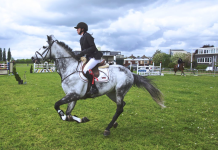
What makes the Junior Hunter Nationals so compelling is how clearly it celebrates the fundamentals. Judges aren’t looking for flash; they want a horse that jumps in good form, an even pace, and a rider who makes hard things look effortless. That emphasis on quality and consistency mirrors everything trainers preach during the long off-season. Picture a sixteen-year-old in the 3’3″ section, hands quiet, eyes up, trusting a horse she has brought along herself. When that round comes together, the gallery feels it. Those are the trips fans will be talking about all the way to Ocala.
Deep Run and the WCHR Spotlight
Running alongside Lexington, the Deep Run Horse Show opens June 17 in the Mid-Atlantic and carries a special weight as a World Championship Hunter Rider event. Deep Run is one of those fixtures with deep roots in the sport, the kind of show where multiple generations of a family might compete in the same week. Its standing was reinforced when Deep Run earned Heritage Competition Status from USEF, a nod to its history and the quality it has maintained over the decades.
The WCHR designation matters because it threads individual results into a national picture. Points earned at Deep Run feed into season-long standings, which means a strong week in Virginia can shape a rider’s whole campaign. That same young rider who shines in Lexington might roll straight into Deep Run hoping to build momentum, and fans tracking both events get to watch storylines develop in real time rather than in isolation.
Ocala Heats Up With WEC Summer #3
By June 23, the action shifts south to the World Equestrian Center in Ocala for the WEC Summer #3, another WCHR-rated show running through June 28. Ocala in late June is no joke — the heat is part of the test, and the horsemanship that goes into keeping horses cool, hydrated, and sound becomes just as important as anything that happens in the ring.
This is where welfare and competition meet most visibly. Grooms ice legs, managers schedule classes to dodge the worst of the afternoon sun, and trainers keep a careful eye on every horse’s energy. Fans who care about the animals first, and they make up the heart of this sport, appreciate seeing that level of attention on a national stage. Anyone wanting to see how these dates connect across the season can follow the program’s official schedule and plan their viewing around the events that matter most to them.
The Jumpers Bring the Drama in July
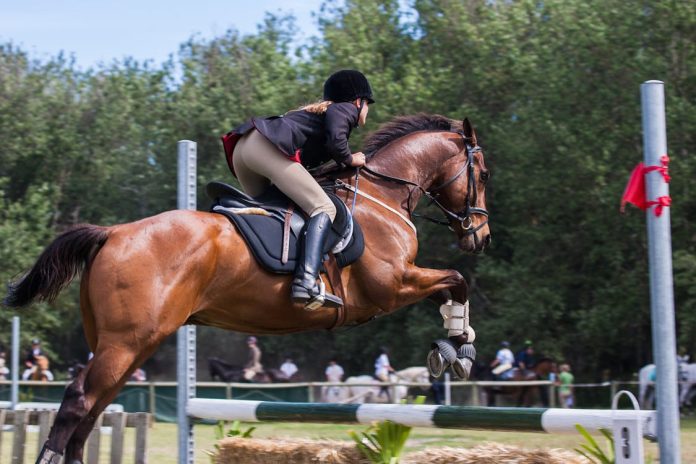
Then comes the high-octane chapter. The CSI3* Ocala, July 7 through 12, swings the focus to show jumping, where the margins are measured in fractions of a second and a single rail changes everything. After weeks of hunter elegance, the jumper rings deliver pure adrenaline — tight rollback turns, riders shaving strides, and crowds holding their breath through every jump-off.
A three-star competition draws serious international talent, and the contrast with the junior hunter trips is part of what makes this summer so rich. One week prizes softness and patience; the next prizes boldness and speed. Both demand a partnership between horse and rider built on trust, and both showcase the training philosophies that fill the magazine’s Trainer Tuesday columns all year long.
Why This Stretch Resonates
Circle back to that young rider walking the schooling ring at dawn in Lexington. By the time the CSI3* wraps in mid-July, she may have ridden in front of national judges, chased WCHR points in Virginia and Florida, and watched the best jumpers in the world compete just rings away from where she stabled her own horse. That arc, from junior aspiration to elite spectacle, is exactly what makes this calendar feel alive.
For US audiences who follow the sport closely, the next few weeks offer nonstop energy and plenty to look forward to. Whether the draw is welfare, training, or the thrill of a clean round, there is something on the schedule for everyone — and the best part is, it all starts tomorrow.