

Technology has been changing rather rapidly over the past decades, and live streaming has changed the nature of online entertainment much more than anyone could have anticipated. Not only have we started seeing live concerts and other performances taking place online, but ordinary gamers have also started broadcasting their gaming experiences as entertainment. However, the key point in this transformation is the growing need for interaction with the content itself. If you still have not tried what live entertainment has to offer, it might be time to do so now.
Interactive Entertainment Platforms
Live streaming did not come about suddenly – its origins lie in the struggle to overcome the limitations of early video platforms due to buffering and insufficient bandwidth capabilities. However, once live streaming became possible for millions of people to use simultaneously, it changed everything. It allowed ordinary people to entertain others, educate them, and make them follow trends and movements that had occurred previously only within professional settings.
Nowadays, entertainment does not exist in the form of movies or TV shows exclusively. Fans of various sports, gamers, and music enthusiasts are finding their new communities in live-streaming platforms such as Twitch and YouTube Live, among others. At this point, there are many examples of how sports fans engage in betting on their favorite teams’ games through the Pakistan betting app that provides opportunities for such bets. In this case, the platform is following the principle of engagement used in live-streaming sites.
Smartphones and Streaming
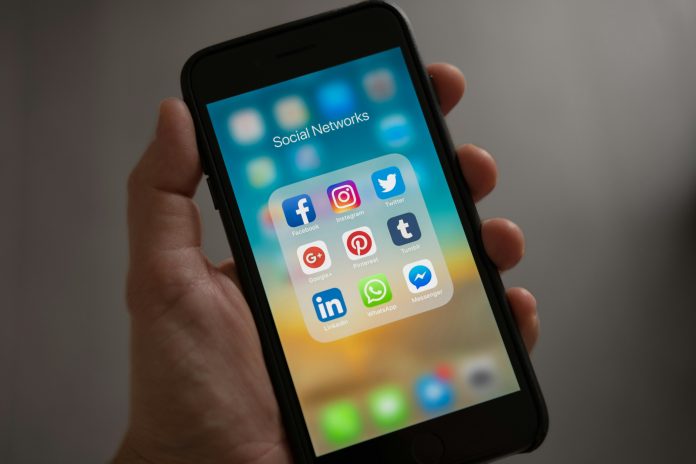
With the emergence of smartphones, mobile technology became central in shaping live streaming. Now, viewers are able to access the videos they want at any point and from anywhere. As a result, content producers also started making their videos mobile-oriented. The boundaries between a content producer and his or her viewers disappeared completely.

Various mobile apps that provide digital entertainment have become part of the daily life of modern consumers. Sports fans who desired real-time entertainment would find everything they desired in the form of the MelBet mobile app, which provides streams, betting services, and gambling options in one package. Mobile technology made it possible for us to consume information and entertainment from one platform at once.
Why Is Live Streaming So Popular?
Here are some of the reasons why watching live content became more preferable than watching pre-recorded videos:
- Real-time communication
- Unscripted authenticity
- Collective identity as part of a shared experience
- Exclusivity
These aspects are the reason behind a dramatic change in our entertainment needs.
Changes in How Creators Produce Content
Creators realized that in order to produce live streaming content successfully, they needed to adopt new strategies. Apart from the content itself, they should know how to present it, maintain the spontaneity, and interact with the audience in real time. As a result, brands realized that people watched ads more actively during live-streamed events rather than commercials. This led to a shift from sponsorship schemes to donations and subscriptions.
Large-scale companies also invested heavily in developing live streaming capabilities. Various sports leagues have their official channels for broadcasting matches, and musicians conduct virtual concerts for their audiences across the globe. Thereby, the lines between amateur and professional content have blurred significantly. Now it is possible to see how individual content creators are able to gather audiences comparable to the audiences of popular TV stations in terms of numbers.
Changing Business Model
One of the greatest benefits for content producers who have adopted the format of live streaming has been the possibility of earning money. New subscription-based business models, superchats, virtual gifts, and affiliate marketing brought numerous new income sources to creators. The platforms also had to pay more attention to user experience because the longer a user spends on the site, the greater profits the company receives.
Since users spend their time streaming videos and interacting with other users, advertisers have found it beneficial to pursue such customers. Their brand partnerships are now more personalized as they incorporate themselves organically into the stream rather than advertising interruptively. Moreover, when a user trusts a particular influencer, he/she becomes more likely to accept suggestions from him/her.
A New World Where Everyone Is Watching
In conclusion, it must be said that streaming services have changed the face of the entertainment industry completely. Passive audiences turned into active participants of the entertainment process, whereas anonymous crowds have become engaged communities. Platforms, creators, and corporations have adjusted to a world where interaction is crucial for successful content creation. However, the technology will continue evolving, making interactions more complex and immersive.