
Brought to you by The Plaidcast
When conversations about soundness come up, they often focus on maintenance like joint injections, rehab programs, conditioning schedules, and all of the things we do to keep horses going once they are already in work. But by the time a horse reaches that stage, much of the foundation is already influenced.
Dr. Julie Vargas, founder of Limestone Equine Performance Medicine, points to an earlier window that is often overlooked: how horses are raised and developed before they ever step into a full training program. That early period plays a critical role in how durable they become later on. Because soundness starts long before a horse begins to compete
Building the Right Foundation
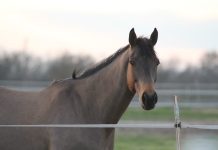
Young horses are constantly adapting to their environment. Every surface they move on, every hill they navigate, and every turn they make contributes to how the horse’s body develops. Vargas highlights the importance of giving young horses varied experiences. Exposure to different terrain, footing, and movement patterns helps build more resilient athletes over time.
Modern horse management often prioritizes consistency like carefully maintained footing, highly controlled turnout, and environments designed to reduce risk. While those systems can be beneficial in certain contexts, they can sometimes limit variability. Horses raised in more controlled environments may be less adapted to different conditions later on.
Vargas’ experience working with performance horses reinforces this idea. Horses that have been allowed to move, explore, and develop across different conditions often have a stronger foundation to build on when training intensifies.
The Role of Turnout and Movement
At the center of early development is movement. Turnout provides young horses with the opportunity to move freely, make decisions, and engage their bodies in ways that structured exercise cannot fully replicate. It encourages natural patterns of movement that support long-term soundness, allowing the right kind of movement to happen naturally. Movement during this stage helps support how the horse moves later in its career, creating a foundation that carries forward into training.
Preparing for the Demands of Sport
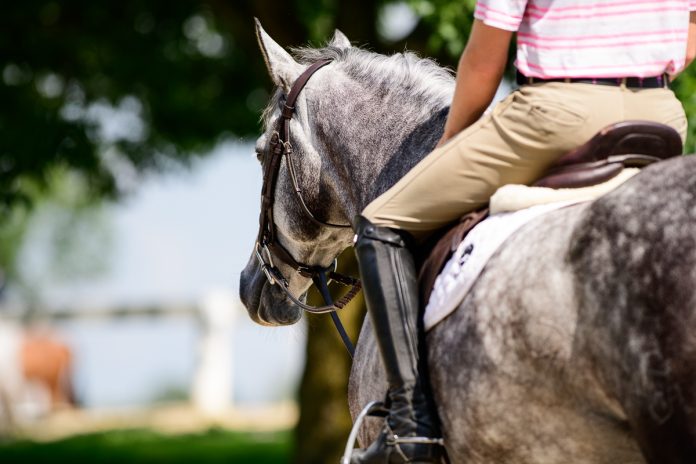
The transition from young horse to performance horse is where these early foundations are tested. Training introduces new demands like repetition, precision, and increased intensity. Horses are asked to move in more specific ways, often on more consistent footing, and with greater expectations placed on their bodies.
A horse with a strong developmental foundation is better prepared for the demands of structured work. They have experienced variation, adapted to different types of stress, and developed the ability to handle the physical demands placed on them. Without that foundation, those same demands can be more difficult to absorb.
Understanding the role of early development changes how riders and trainers think about prevention. Instead of focusing only on maintaining soundness later, it becomes equally important to build it early. That may mean prioritizing turnout, incorporating varied terrain, and allowing young horses to experience a broader range of movement than traditional systems sometimes allow. It also means recognizing that some variability may be beneficial.
A Long-Term Perspective
Soundness is often viewed through the lens of what is happening now, whether the horse is sound today, ready for the next show, or able to handle the current workload. But the choices made in a horse’s early years can influence how they perform and how long they stay sound.
Want more insight from Dr. Julie Vargas? Listen to this episode of The Plaidcast and subscribe on your favorite podcast platform for more conversations with the experts shaping equestrian sport.