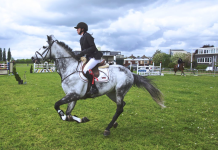

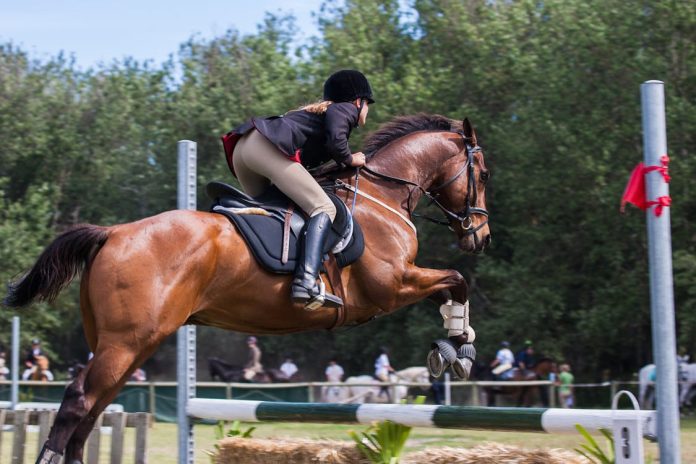
The barn has a dress code. Breeches, tall boots, a well-fitted coat — everything follows the rulebook. But the moment you drive off the showgrounds, the same person who can name every brand of stock tie without blinking often has no idea where to start when it comes to everyday fashion.
That gap is real, and it comes up more than you’d think. Equestrians tend to have strong aesthetic instincts — you spend enough time noticing fit, fabric, and movement on a horse, and those eyes carry over into how you shop for clothes. The frustration isn’t taste. It’s time, and it’s budget.
Show seasons are expensive. Between entries, stabling, and keeping two wardrobes — one for the ring and one for life off the horse — the cost adds up. So when riders do step away from the barn to shop for everyday clothes, they want to make it count.
The Equestrian Wardrobe Off-Duty
What actually ends up in the rotation? A few things come up consistently among riders who’ve figured out how to dress outside of show clothes.
Tailored basics that don’t read as athletic. Riders are used to clothes that move. Straight-leg trousers, structured blouses, and ponte knit pieces hit the right balance — polished enough for a business meeting, functional enough to run to the barn in afterward. The key is cut. Slim but not tight. Structured but not stiff.
Earth tones and neutrals. Hunter green, navy, tan, and cream already live in every equestrian’s vocabulary. Off the horse, those same colors translate easily into a wardrobe that works across situations. It’s not overthinking — it’s just staying in a palette that already makes sense.
Quality over quantity. This is one place where equestrians tend to think more like their barn mentality: buy once, buy right. A single great cashmere sweater outlasts five fast-fashion alternatives, and riders generally understand the math by the time they’ve spent money on a pair of boots that lasted a decade.
The Budget Reality
Knowing what you want is the easy part. Paying for it is different.
Fashion at the quality level most equestrians want doesn’t come cheap. But there are legitimate ways to stretch what you spend — and the smartest riders treat shopping the same way they treat purchasing barn supplies: strategically, with research, and never full price when you don’t have to be.
Coupon and promo code platforms have gotten significantly better in recent years. Sites that aggregate discount codes across hundreds of retailers mean you’re not hunting through browser tabs or hoping a checkout code from a newsletter still works. For someone shopping for fashion specifically — whether that’s clothing, accessories, or footwear — fashion promo codes across Spanish and European retailers can open up brands that don’t show up in the usual American outlets.
ModaCupones, for instance, covers a broad range of fashion brands with verified codes organized by retailer. If you’ve been eyeing European equestrian-adjacent brands or want to explore fashion outside the domestic market without the guesswork, it’s worth bookmarking.
Knowing When to Spend and When to Save
Not everything needs to be an investment piece. That’s the other thing experienced equestrian shoppers have figured out. A show coat — yes, spend money. A statement blouse for an off-season dinner? Find it on sale.
The 80/20 rule applies here just as much as anywhere else. Eighty percent of what you wear is probably five or six items that are always clean, always fit well, and always look right. Put your money there. The remaining twenty percent is where experimentation is fine, and where discount codes earn their keep.
Practical Notes for the Off-Season
The showing calendar has a rhythm, and the off-season is when most equestrians actually have time to think about things like wardrobe. A few habits that tend to pay off:
- Shop end-of-season sales in late July and early August for fall pieces. The inventory is still full, but prices have started to move.
- Pay attention to fabric composition tags. Equestrians already do this with horse blankets — apply the same logic to clothes.
- Don’t sleep on European retailers. The sizing can take some adjustment to figure out, but the range of fabric quality and construction at comparable price points is often better.
The same attention to detail that makes a good rider also makes a smart shopper. The barn teaches patience, precision, and a respect for things that are made well. Those are useful tools well beyond the ring.