
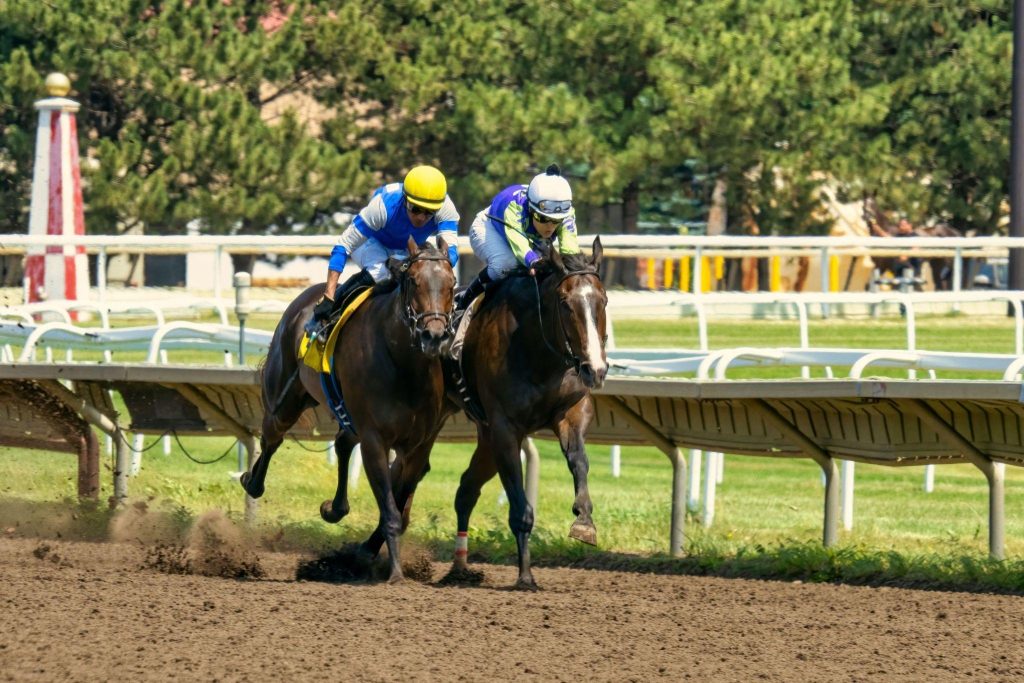
The Beverly D. Stakes remains one of the premier turf races for older fillies and mares in North American racing. In 2026, the Grade 2 event returns as part of the Colonial Downs Festival of Racing on August 1, sharing the spotlight with the Arlington Million and Secretariat Stakes. The race covers one mile and three sixteenths on the Secretariat Turf Course and regularly attracts accomplished runners from leading stables.
Before evaluating the field, it helps to understand the race conditions, recent form, and the characteristics of Colonial Downs. Careful preparation allows bettors to place each horse’s credentials into context while following the developments that shape the final entries throughout race week.
Understand the Race Conditions
The 2026 Beverly D. Stakes is scheduled for August 1 at Colonial Downs with a purse of $500,000. Open to fillies and mares aged three and older, the race is contested over one mile and three sixteenths on turf. Because it is part of the Festival of Racing, many accomplished horses target this event after successful spring and early summer campaigns.
Reviewing Beverly D. Stakes picks becomes more meaningful after understanding how these conditions influence the type of horse that usually competes well. Turf specialists with proven stamina often stand out, especially those that have already performed over similar distances against graded stakes company.
Key race details worth reviewing include:
- Distance and surface preferences,
- Age and eligibility requirements,
- Purse and race classification,
- Position within the summer racing calendar.
Looking at these factors together provides useful context before comparing individual runners. Rather than focusing on one statistic, bettors can better understand why certain horses are entered while others are aimed at different summer targets.
Evaluate Recent Turf Form
Strong recent performances often reveal far more than a horse’s overall career record. Finishing positions deserve attention, but they should always be viewed alongside the quality of competition, pace of the race, and how comfortably each horse finished.
Useful form indicators include:
- Recent graded stakes appearances,
- Finishing margins instead of only finishing position,
- Running style consistency,
- Performance over firm and yielding turf.
Comparing these elements creates a more complete picture than relying on raw statistics alone. Horses arriving with steadily improving performances often generate greater interest than runners whose form has fluctuated throughout the season.
Study Pace and Running Styles
The expected pace frequently shapes how a turf race develops. Before comparing contenders, it helps to identify which horses prefer leading, stalking, or closing from the back of the field.
Front Running Horses
Some runners perform best when establishing the early pace. Reviewing previous races shows whether they remain comfortable when pressured by other early speed horses or whether they produce stronger efforts with uncontested leads.
Stalking Runners
Many successful turf horses settle just behind the leaders before moving forward around the final turn. This adaptable style often allows jockeys to react to changing race conditions instead of committing to one strategy from the opening stages.
Late Closers
Deep closers depend on a suitable pace ahead of them. When several front runners are entered, these horses sometimes receive better opportunities to finish strongly during the closing stages.
Consider Trainer and Jockey Records
Connections often provide valuable context during major summer stakes races. Established trainers frequently target the Colonial Downs Festival of Racing months in advance, selecting preparation races that gradually build fitness for this stage of the season.
Jockey familiarity with the course can also contribute useful information. Riders who regularly compete on turf understand how pace develops across different sections of the Secretariat Turf Course and how positioning influences the closing stages.
Instead of focusing only on overall career totals, consider recent statistics such as trainer performance in graded turf races, jockey success with specific horses, and how frequently successful partnerships compete together. Recent collaboration often reflects confidence and familiarity rather than coincidence.
These details should complement, rather than replace, form analysis. Looking at connections alongside current performances creates a broader understanding of each contender’s overall profile before race day.
Build a More Complete View Before Race Day
The Beverly D. Stakes consistently brings together accomplished turf runners during one of the most anticipated racing days of the Colonial Downs season. Understanding the race conditions, evaluating recent performances, studying running styles, reviewing trainer and jockey trends, and monitoring race week updates all contribute to a more informed perspective.
Rather than relying on a single statistic or headline result, combining multiple sources of information creates a balanced evaluation of the field. As the 2026 Festival of Racing approaches, this structured approach helps place every contender within the broader context of one of the summer’s premier turf events.
*Content reflects information available as of 2026/07/27; subject to change.