
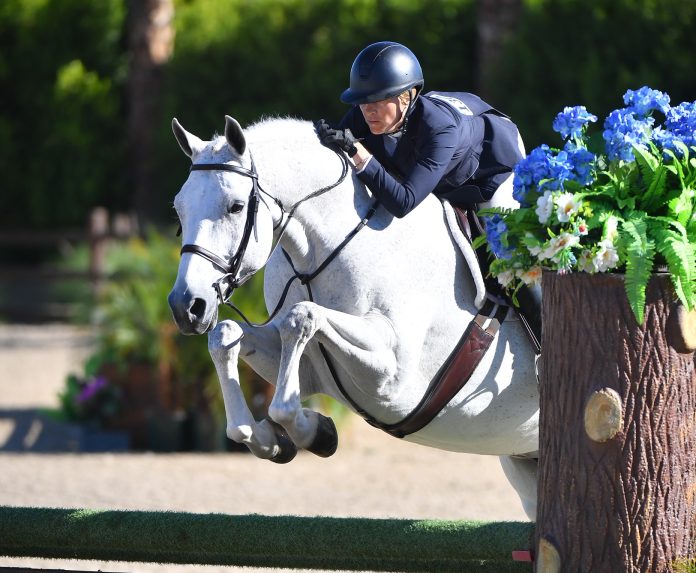
BY LINDSAY RANSOM
Turning professional can feel overwhelming at first, and having support and guidance available is incredibly valuable. I have been a professional for twenty years. Over that time, I’ve learned that everyone defines success differently.
Personally, I consider myself successful because I try to maintain a reasonable work-life balance, work alongside a respected program and an excellent team, and have achieved results in the ring that I am proud of, including multiple Year-End USHJA Zone Horse of the Year and National Horse of the Year titles, multiple National Hunter Derby wins, championships at major shows, and a Top 12 Tier II finish at the 2025 USHJA International Derby Finals in Lexington, KY
1. Your junior career does not define your future success
This was something I struggled with early on. I assumed professional success only belonged to riders who had done all the “right” junior things: top equitation finals, junior hunters, winters in Florida, junior jumpers, and so on. While many riders follow that path successfully, it is far from the only route into this profession.
My own trajectory looked very different. While some of my peers were achieving major results in the show ring, I was learning how to develop young horses, ride difficult ponies, and catch-ride anything I could get on. In hindsight, those experiences became incredibly valuable. They taught me adaptability, horse management, preparation, and how to work with a wide range of personalities, both equine and human. Those skills have served me every day of my professional career.
2. Find your niche
Our sport continues to grow, and I genuinely believe there is space for many different types of professionals. Not everyone is going to become the next John French or McLain Ward, and that is perfectly okay.
There are countless ways to build a successful career in this industry. Some professionals excel at sourcing horses. Others are gifted teachers who build thriving lesson programs or partner with top riders. Some are exceptional at producing young horses and prefer to hand over the reins once the horses are ready for the show ring.
Spend time figuring out what you do exceptionally well, and lean into it. Success often comes from refining your strengths rather than trying to fit someone else’s mold.
3. Being a good human matters
Over the years, I have spent a great deal of time observing professionals at every level of the sport. At the end of the day, this is supposed to be enjoyable for most juniors and amateurs. People, and horses for that matter, want to be treated with kindness, patience, and respect.
Whether you run a lesson program, sales business, or training barn, your reputation matters. Being trustworthy, authentic, and kind will take you farther than many people realize. This has served me tremendously well throughout my career. I have been given opportunities to ride some truly lovely horses not necessarily because I was the best rider in the ring, but because owners trusted me, enjoyed working with me, and wanted to support my career.
4. The learning never stops
If you are not interested in being a lifelong student, this profession may not be the right fit. There is always more to learn: riding, horse management, veterinary care, nutrition, rider biomechanics, business management, and the list goes on endlessly.
Reading, listening to podcasts, attending clinics, watching the schooling rings, asking questions, and learning from veterinarians and farriers are all invaluable. Just as importantly, never be afraid to ask for help with your own riding. Even the best professionals in the world continue learning.
At this year’s FEI Jumping World Cup Final in Texas, Lillie Keenan had McLain Ward helping her from the ground with great success. Top riders still seek guidance, and that should encourage the rest of us to do the same.
5. Being a professional is about far more than riding
This is something I do not think I fully understood when I first turned professional. Depending on the type of business you want to build, there are many skills required beyond riding ability.
Communication skills are incredibly important. Whether you are speaking with owners, coordinating with veterinarians and farriers, managing show logistics, or drafting sales and lease agreements, professionalism and clear communication matter enormously.
I also think introductory business courses can be incredibly valuable. Most of us become professionals because we love horses, not because we have formal business training. Yet running a successful program requires budgeting, organization, planning, and leadership. Local colleges and online programs often offer courses that can help build confidence in these areas.
6. You are an advocate for the horse
As a professional, one of your most important responsibilities is putting the horse’s welfare first. Sometimes that is straightforward, and sometimes it requires difficult conversations.
What we ask horses to do is inherently athletic and demanding. Injuries and setbacks are part of the reality of the sport. Having strong relationships with your veterinarian and farrier is essential, but equally important is being able to communicate honestly and thoughtfully with owners.
Not every horse is meant to be a top hunter or Grand Prix jumper, and that is okay. One of our responsibilities is helping horses find the job that best suits them so they can have longevity, confidence, and success.
7. Take care of yourself, too
Most of us feel invincible in our twenties, but the physical demands of this sport eventually catch up with everyone. Many horse professionals become very good at caring for their horses while neglecting their own health in the process.
This job is physically demanding, but it can also be mentally exhausting. Make sure you have a support system of friends, mentors, and colleagues you can lean on during difficult times. Prioritize your physical fitness, recovery, and mental health, and wear appropriate safety equipment consistently.
Injuries are an inevitable part of the profession, but taking care of yourself is not just important for your own longevity; it also sets an example for your students and the people around you. Healthy professionals create healthier programs
Lindsay Ransom is an accomplished hunter/jumper professional who has worked alongside Lori DeRosa and the team at Newmarket in San Diego, CA for the last 14 years. Lindsay grew up just outside of Toronto, Ontario and was a working student through her junior years. After riding as an amateur through college, she turned professional in 2006. Lindsay has a lifelong passion for the hunter ring and specializes in the development of young hunters.