By KENDRA SKORSTAD
I’ve had a long career as a farrier and I seek to bring knowledge and awareness to help owners make sure their animals are getting the most out of their treatment and care.
There is nothing more frustrating than getting “farrier” radiographs that aren’t actually taken for the purpose and interest of a farrier. It ends up a waste of my client’s resources of money and time, and the vet’s, who then has to come back to take new rads. We can do better from the start!
I know it’s a difficult position for horse owners sometimes when having discussions with their veterinarians or farriers. It can be intimidating to have a conversation with someone in a place of perceived authority, let alone question them. That’s not to discredit any of the highly passionate and educated horse professionals, but the truth is horse care is improving, methods of treatment are evolving, and how equine medicine is being taught is changing. We all have to be asking questions in order to hold each other accountable, and for the better sake of the horses.
For example, the photo below is directly from the radiology equipment company. However, the way they positioned the horse in the diagram is not appropriate for a radiograph for a farrier.
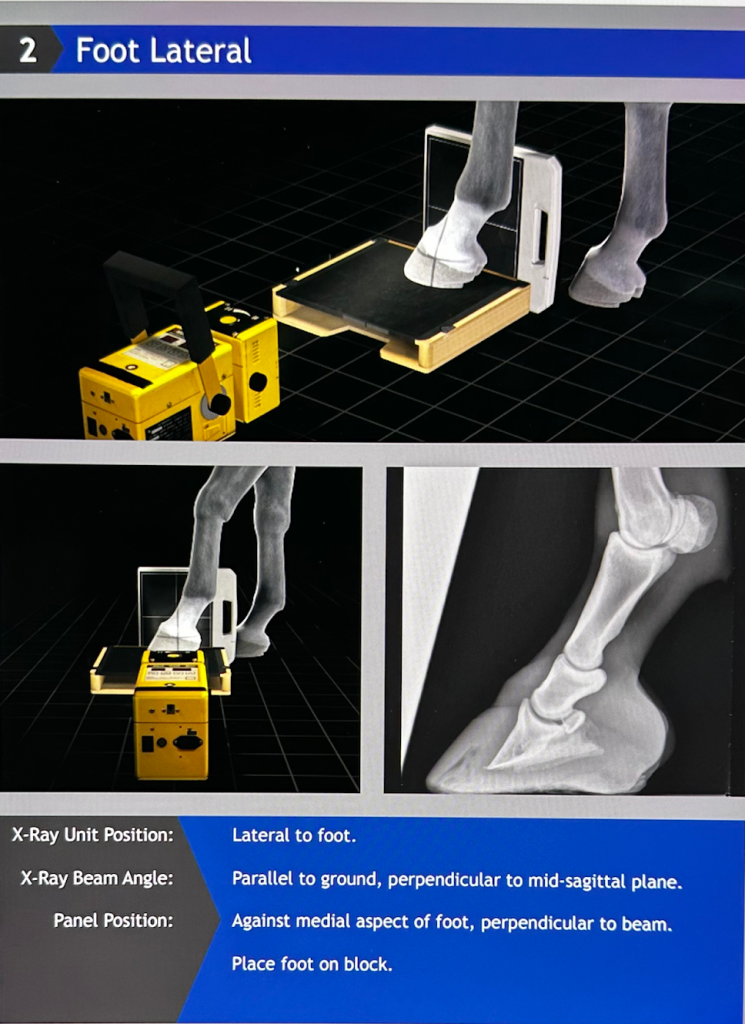
It should be noted that while that image absolutely serves the purpose of informing the veterinarian, the positioning and images that vets need to assess joint health are different from what the farrier needs to assess sole depth and alignment.
To make informed trimming and shoeing decisions, farriers need specific radiographs to be taken them that will provide the most amount of accurate information as possible.
Radiographs are a snapshot in time and are highly influenced by a number of variables. Here are some tips for the horse owner to make sure you are getting the most out of the X-rays. This is not an exhaustive list, but covers a few basics that horse owner can control themselves and know what to ask their vets:
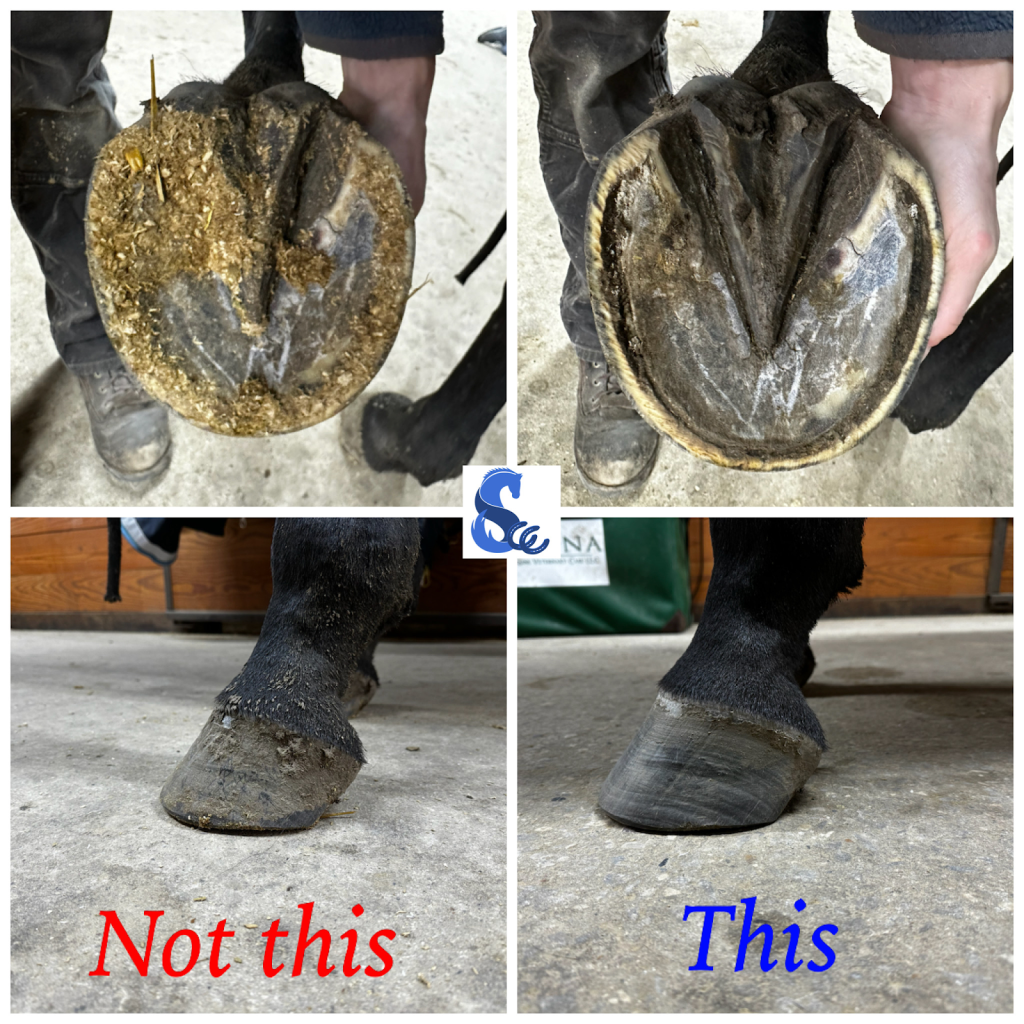
1. The horse must be on a clean, flat area to take images
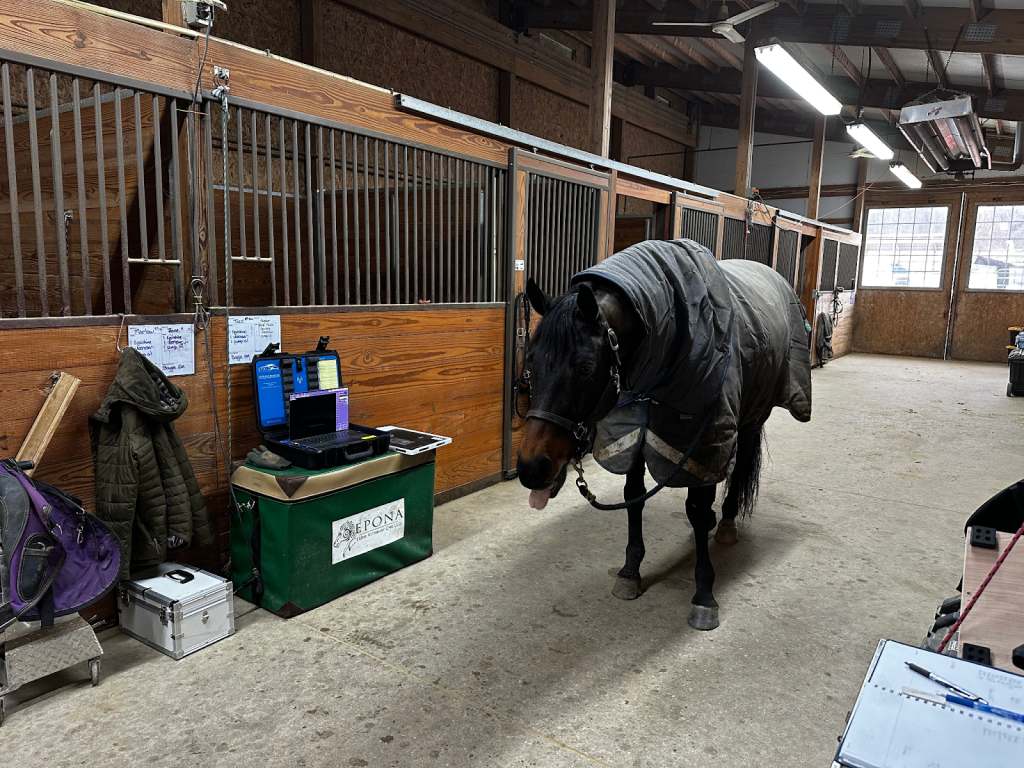
2. The horse must be clean and free of mud and debris in the area being imaged. ‘Artifact’ is a flaw in the image quality that can obscure the image you are attempting to acquire.
3. The horse must be standing square with legs perpendicular to the ground with both feet on blocks. The cannon bone must be perpendicular in all directions.
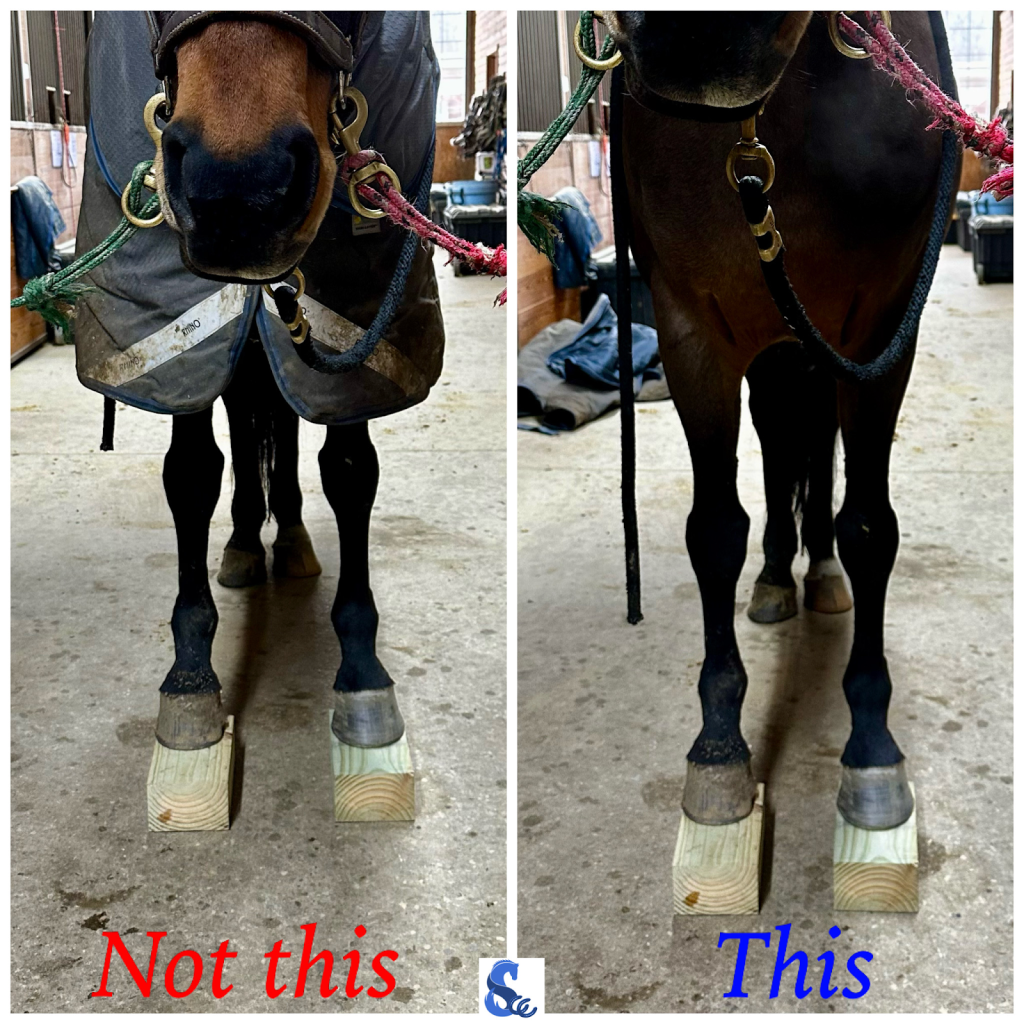
4. The horse must have both feet standing equally and wholly on the blocks.
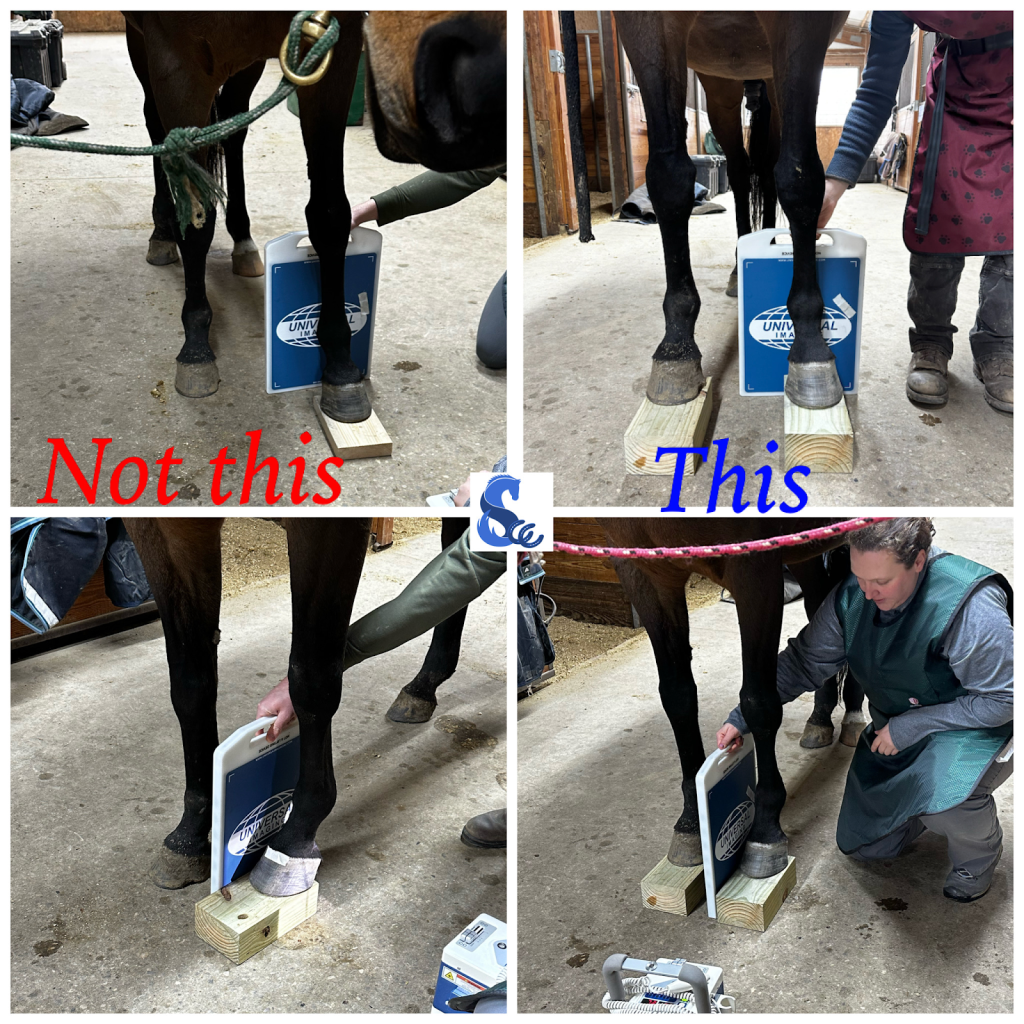
In posts to come, I will dive into the visual differences when viewing radiographs from when the time was taken to set the horse up well versus when it wasn’t. It will really highlight why it is so important for farriers to have good quality images.
This is a joint project with Dr. Victoria Gnadt at Epona Equine Veterinary Care, LLC. (It’s all about teamwork!)
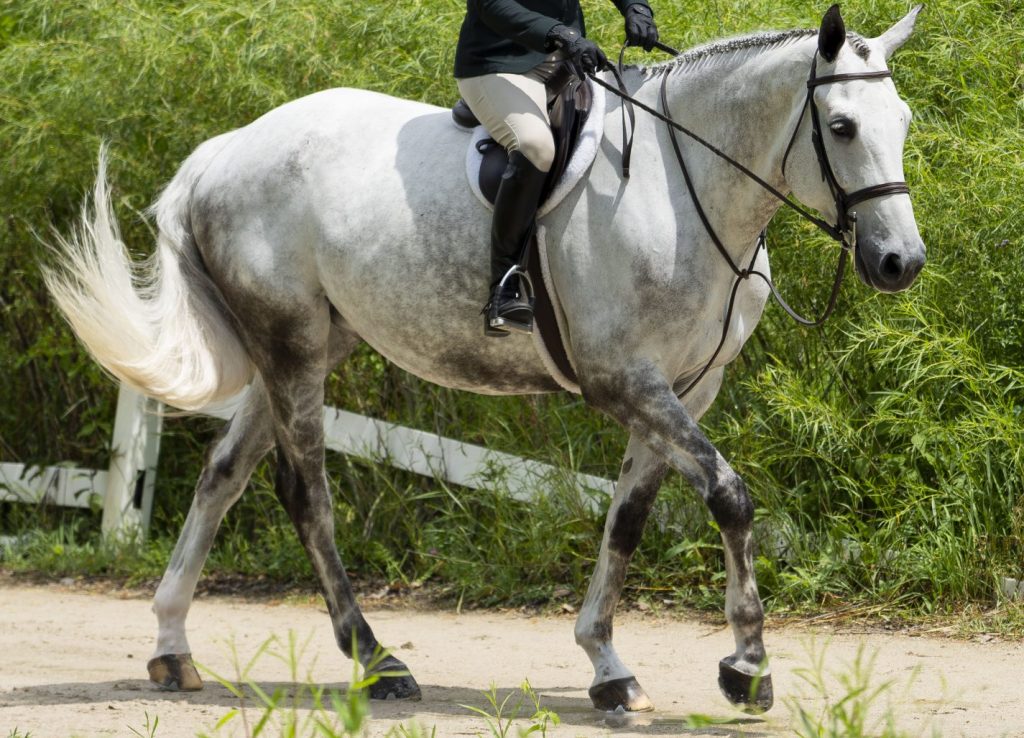
Many thanks to the incredible MTM Sandwich for being an exemplary model for us.
About the Author
Kendra Skorstad brings artistry, science, and her love for horses together in her life long career as a farrier and horsewoman. She is highly sought after in her community with her experience as a barefoot trimmer and farrier. She is proficient using new technologies and alternative materials for hoof protection. In her teamwork approach, she embraces a balance between research based work and honoring the individuality of each horse.
Her experience rehabilitating hooves on performance horses and the negative hoof morphology she sees in the hooves linked with injuries to the body is the driving force behind her desire to educate horse owners about the hooves and how they impact the whole horse. She believes every horse owner should have access to fact based, unbiased information about hoof care to be able to make informed decisions and advocate for their horses.
Her commitment to her own continuing education and sharing what she can with others has led to her giving clinics and lectures around the US and internationally, being interviewed in a variety of podcasts on The Whole Horse, The Plaid Horse, and The Humble Hoof, guest lecturing for the University of Guelph for the last 5 years as well as developing hoof related material for their Functional Anatomy course.
Click here to listen to Kendra on the Plaidcast.